

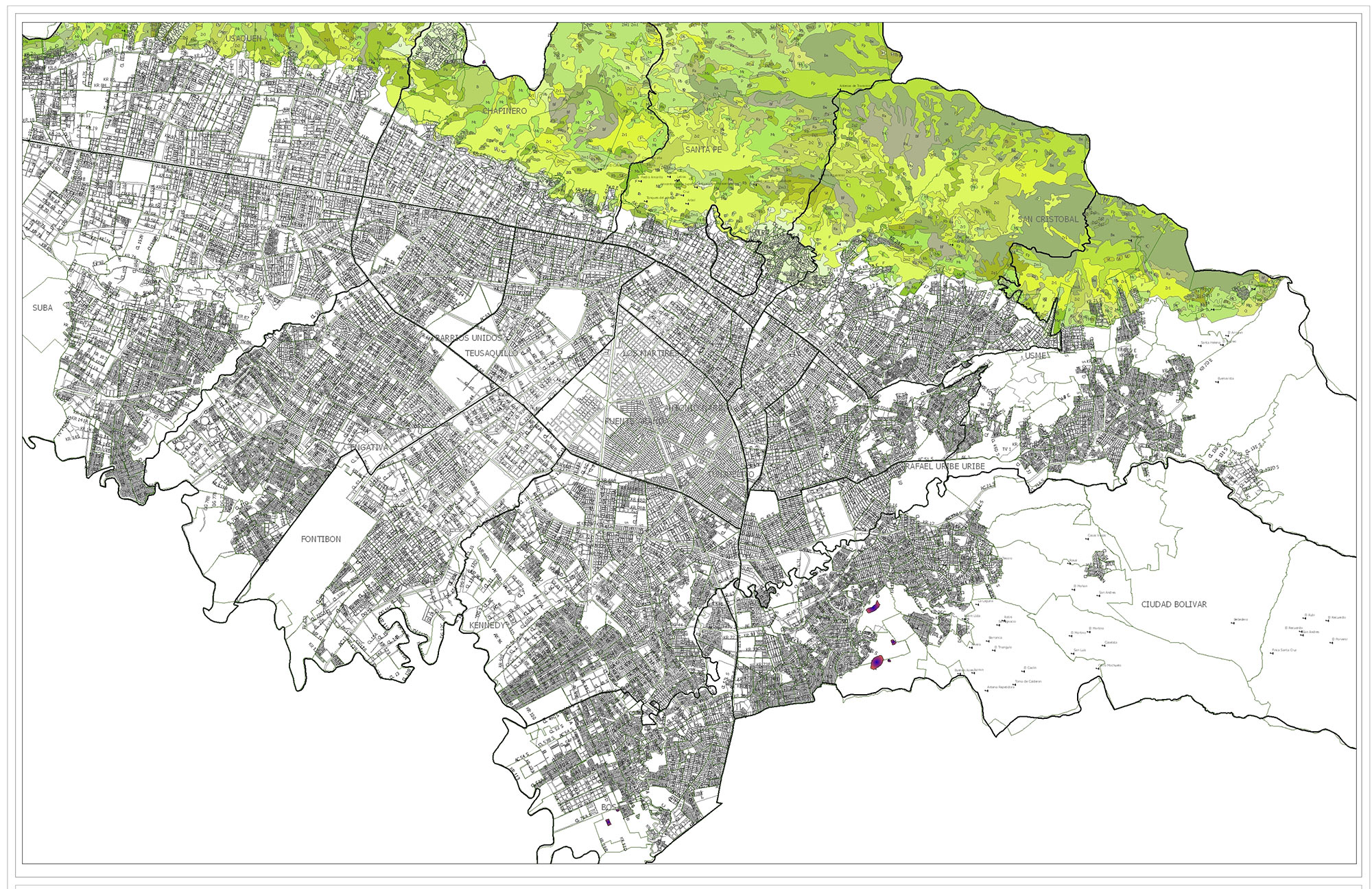
When flying, whenever I looked down and saw a city or a town, or at least a road, I was always filled with curiosity about lines. The city is the everyday, and the citizen’s gaze is at street level. We see the facades, the gaps in the streets, the towers rising, and in general, the entire built world is made up of lines. Nature avoids lines; it’s organic.
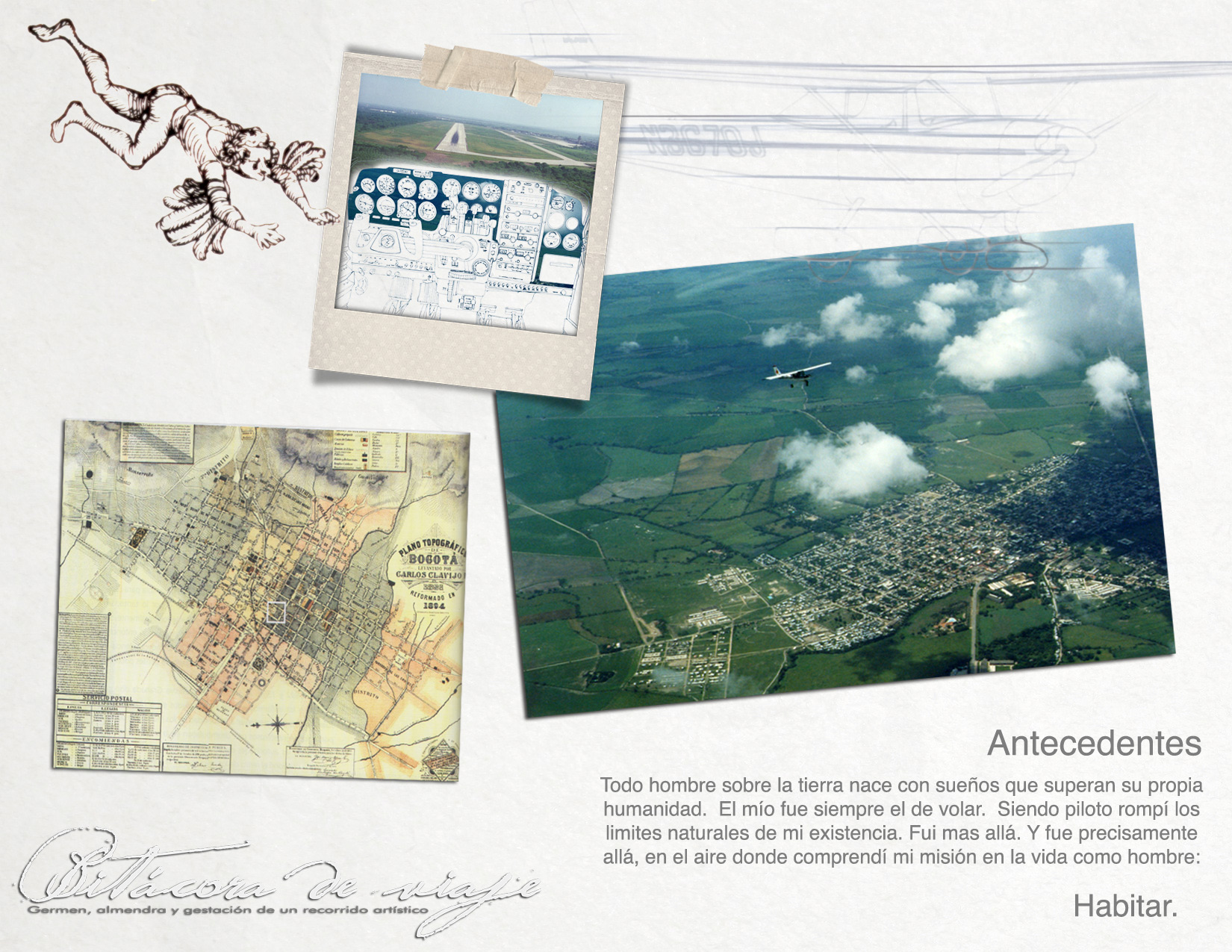
The bird’s-eye view, as the aerial perspective used in architecture is called, showed me the lines with which man altered the landscape. Since its founding, the city domesticated organic nature, transforming it into a succession of lines, Euclidean geometries that rationalized space. Long after the domestication of the wall, the Spanish checkerboard would invade our American lands, bringing rational models of those first utopias of Renaissance thought.
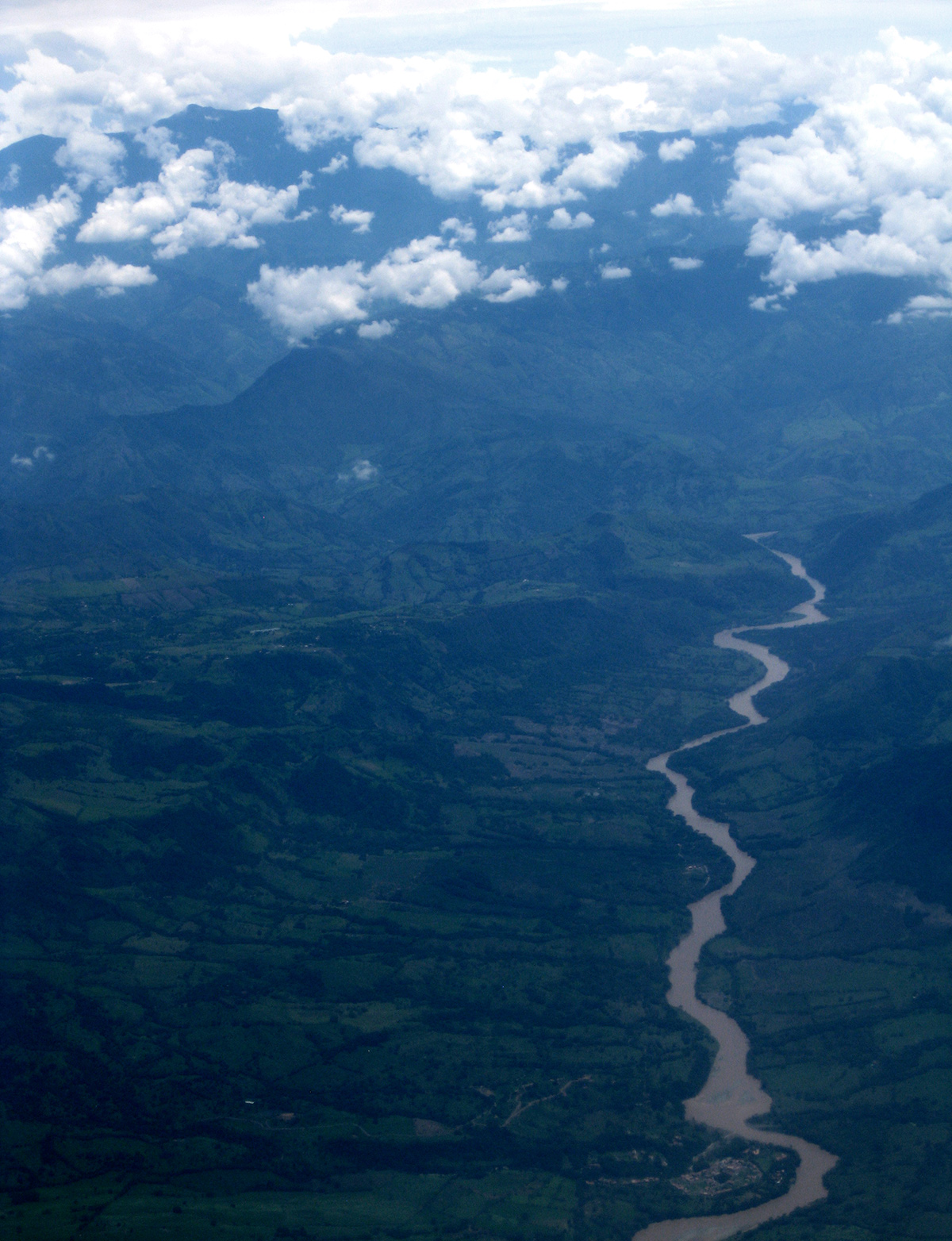
Only powerful rivers stood in the way of this new rational utopia; the strongest geographical features would be the only ones daring to damage the grid. Rivers would be channeled, forced by levees to follow a straight and predictable course.
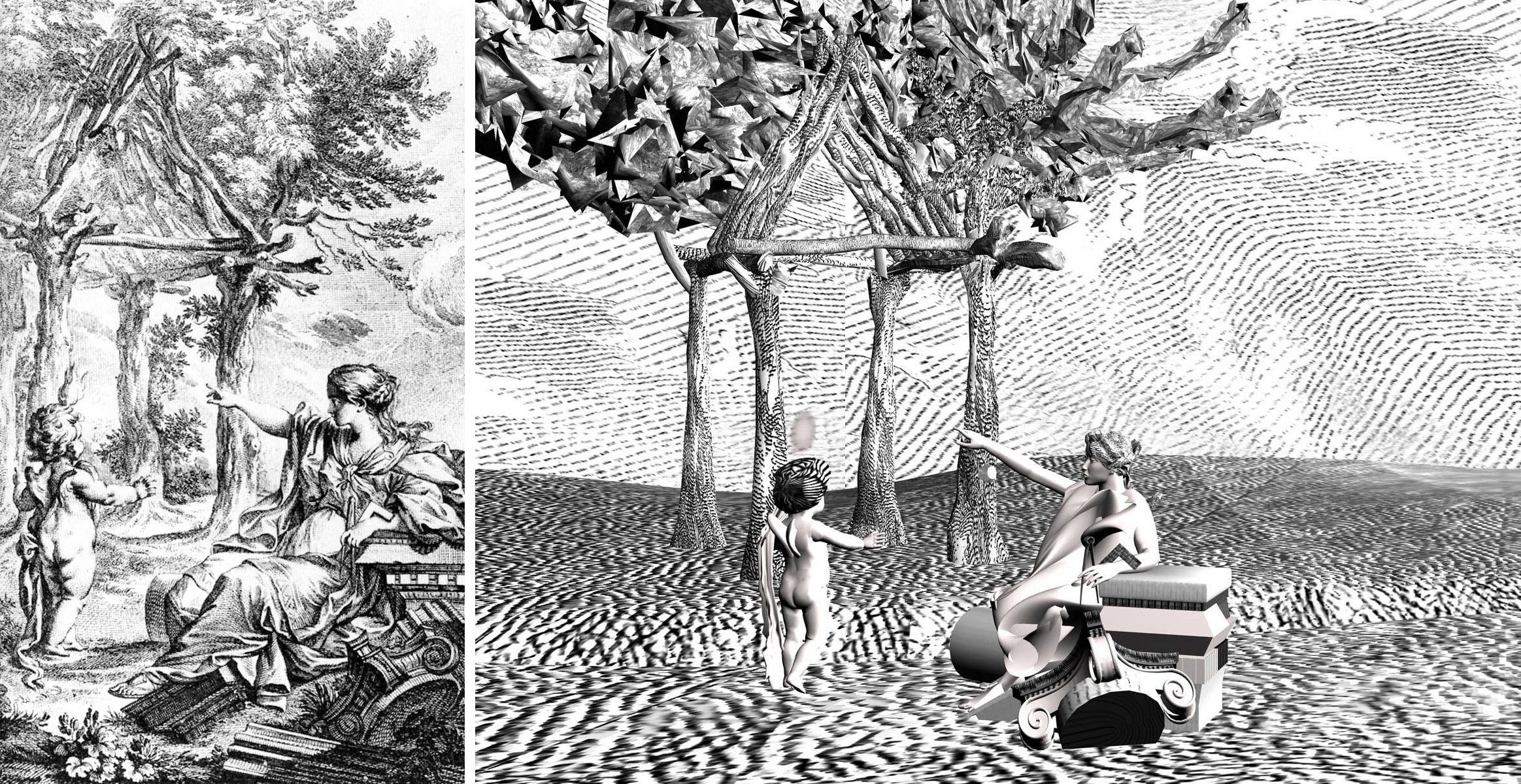
Human habitation would turn its back on the primitive shelter of the caves and give rise to the birth of original architecture. It would be the primitive hut in the famous Jesuit engraving Laugier. The wall as a magical rather than a defensive construction, the temple, the building, and the house.
Human spatiality was abstract and at the same time rational. Little by little, it detached itself from its natural origin and formed a mental limit for inhabiting. Lines would be the limit of human habitation, and their history would constitute the birth of art, architecture, and, long after, aesthetics.
The straight line would be transformed into time, history, and progress. Modernity would forget all natural origins and transform inhabiting into a machine. Savage capitalism and economics would set the pace that architecture would have to follow, and its lines would be so alien to the place that they would become an international style.
But what has architecture lost, and what would be the quest to understand it that would lead me to ask about its origin? Why are lines the way humans build? What is the origin of architecture?
If you want to know where the origin of living is found, continue reading here.
If you want to know more about the founding of cities, go to the next link.
If you want to know how the pilot landed on the ground, go to the next link.