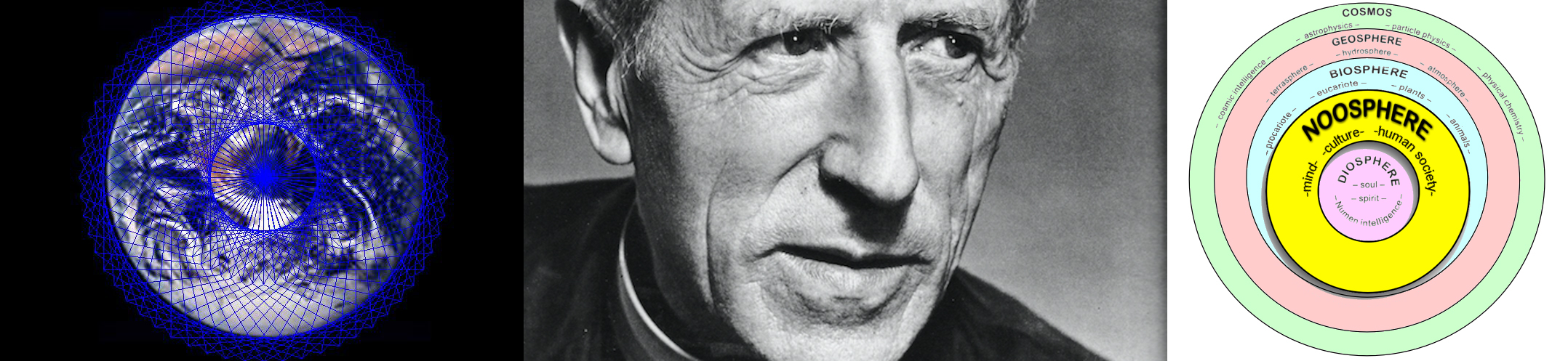


The dawn of cognitive technology and its potential for human development in the coming decades propels humankind, as a biological species, into a new state of existential relations as a new entity of hybrid cognitive development. This will be achieved with the singularity (the moment in which artificial cognitive capacities are equal to human ones) in just a few years. Thinking about the way in which computational cognitive processes interrelate with human beings in interactions of coexistence within the ecosphere is a challenge; when addressing this concept, the survival of life, the human stronghold within the production of knowledge, and the role we will play in this transition of cognition from neuronal biological support to an inorganic, powerful, and potentially immortal cognitive support, are a requirement of reflection. We must be capable of facing a new scale within the threshold of evolution, which will take the process of consciousness to limits unexplored by the organic body within the dimensions of the universe.
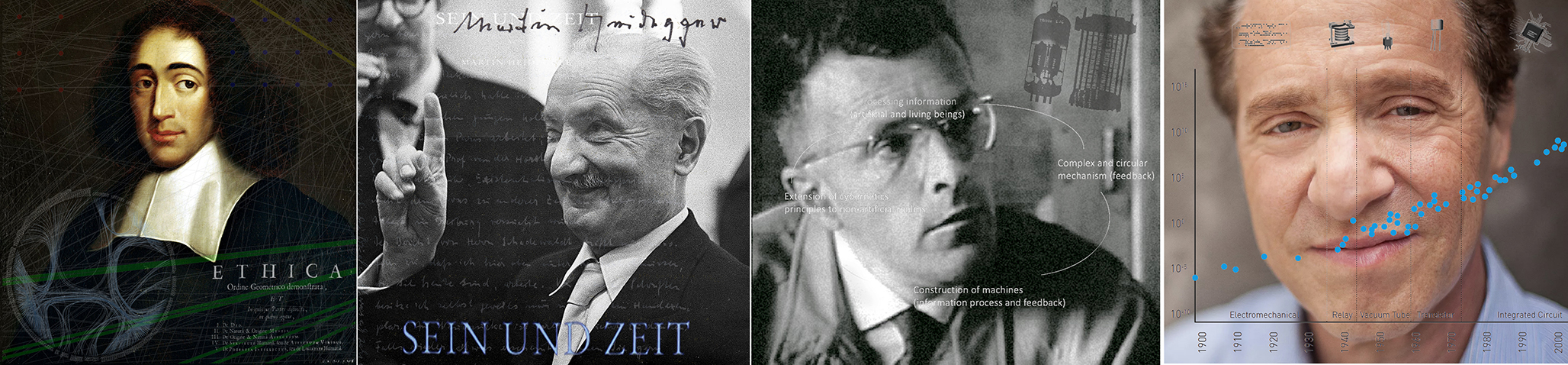
Working on the emotions that determine human actions and finding an ethical approach as a foundation for machine learning is vitally important if we are facing a reality of integration between neuronal thought and artificial cognitive processes. In this sense, the liberating thought and radical demystification of Spinoza’s thought (in his Ethica ordine geometrico demonstrata) brings back the relevance of considering the comparative role of ontology and ethics as the foundation of political actions that are circumscribed within the human.
Now, questioning these processes and their interpolation with computational processes is one of the spearheads of current technological research, but it is vitally important when considering the future of integration between humans and machines. The research question ranges from: Is it possible to create an algorithm that makes an emotional interpretation of the human being? to: Can an ethical foundation be generated within the logical thinking of computational cognition? To this end, outlining the design of the creative research and combining the positive values of the methodological approaches used will allow the questionnaires and creative experiments to provide sufficient data to establish their statistical or conceptual value in generating a contribution to knowledge.
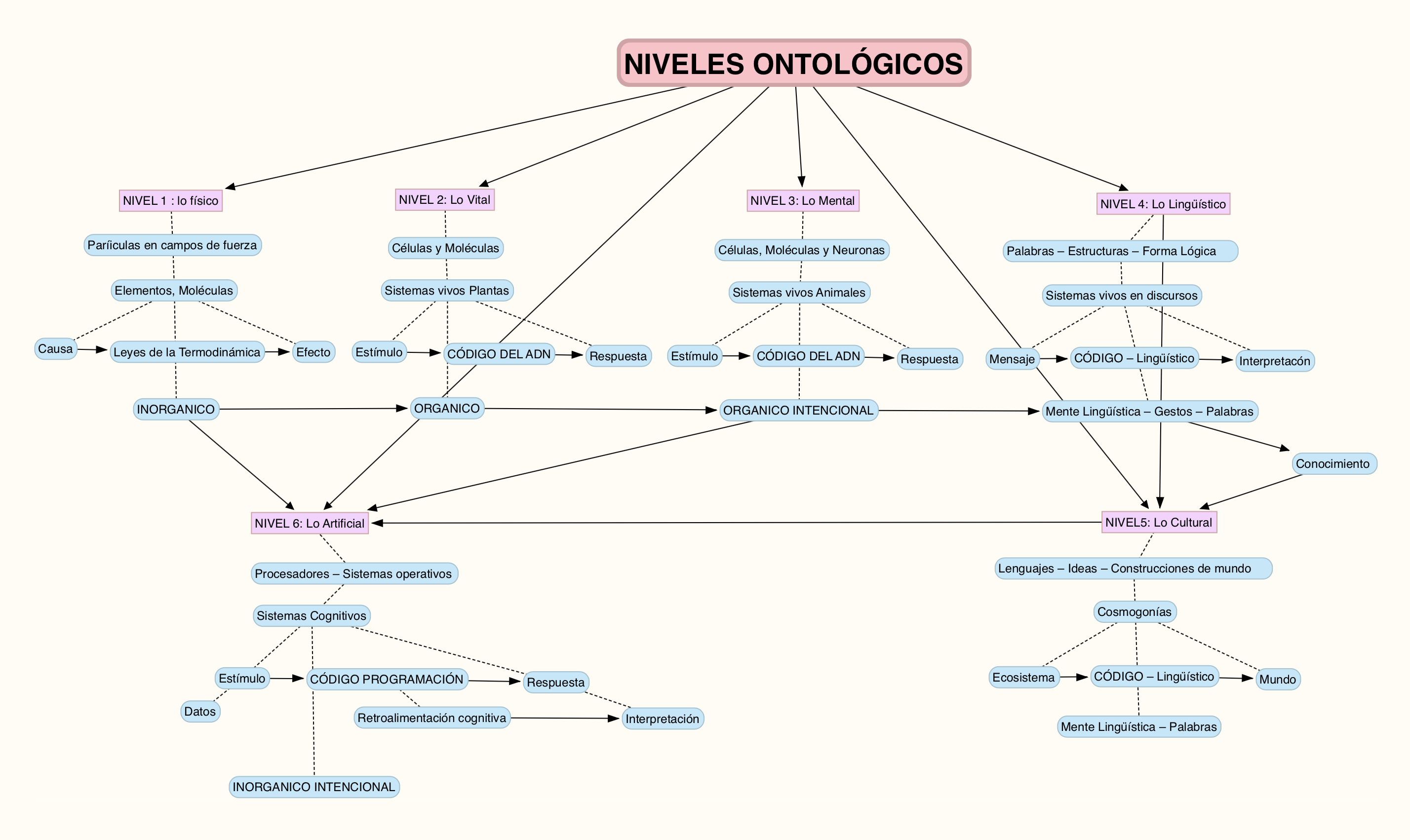
Building bridges between different disciplines and a common ethical foundation should in itself be a manager of knowledge. To this end, the implementation of research will also be fundamental in understanding what creation as research means and the limits within which we operate as a multicultural society. Data collection, its interpretation, and its implementation are in themselves a building block of the knowledge we are committed to.
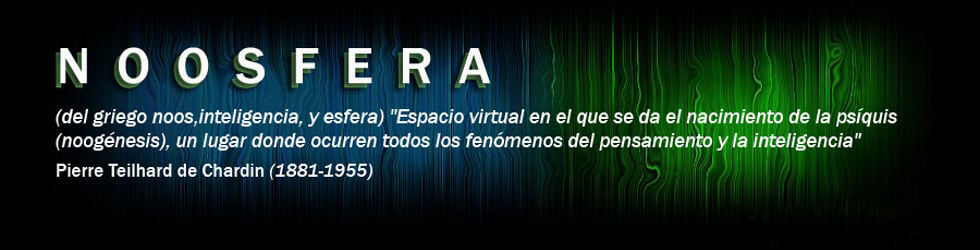
The intersection of semiotics, creation, and art in terms translatable to machines is, in itself, the search for the ethical concept in this new ontology of reality in which the research moves. The information obtained and its discernment of the theoretical construct justify, in themselves, the existence of the product co-created with the machine. This joint work is the final object of the research, and its insertion into the field of reality is its artistic bet. The concepts that surround the epistemological line of thought where the research will be developed are metaphysical in nature and are approached from an object-oriented ontology. The insertion of the work in space connects the two worlds, and the creation of a third (hybrid) real body that coexists with the technical object makes it possible to understand the dynamics of this new world.