


Apuntes sobre el suicidio de los estudiantes y al manejo del dolor
Hola. Me presento. Soy Luis Felipe Sanclemente Llanos. Bogotano de 45 años, que vivo y trabajo en Bogotá. Con mas de 20 años de trabajo en el campo audiovisual he trabajado en un amplio espectro de producciones, en arquitectura y en arte. Mi camino ha sido seguir una sola regla. La ética. Lo correcto. Bien en mis años de estudiante universitario debatía sobre su significado. Recorrí los anales de tomos alemanes. Kant, Hegel, Schilling. Abordaba desde entonces la fractura continental y zarpaba hacia lo incognito de la vertiente analítica de la isla. Finalmente embelesado por Wittgenstein me deje seducir por sus primeros escritos, por su lógica heredada de Husserl, y caí presa de su tratctatus. Pero con el tiempo, como el fui dando saltos de la filosofía adolescente, Nietzche y la muerte de dios, y me profundice en el ostracismo en el que cayo el filosofo al final de su vida.
Entonces decidí volver a nado al continente, desechar de un bofetón a los franceses, emborracharme con los españoles y sus ensayos maravillosos, en donde conocí a un gran maestro que me llevo de vuelta al origen. Hegel, Kant y Hölderling. Para entrar a conocer la ética hay que conocer de profundidad el pensamiento filosófico alemán. Pero por qué empezar esta línea epistemológica para hablar de lo correcto. Si bien, en su libro corrección, Thomas Bernhard hace una descripción tautológica del termino y su continuo ajuste; lo correcto es un criterio personal, por ende estético.
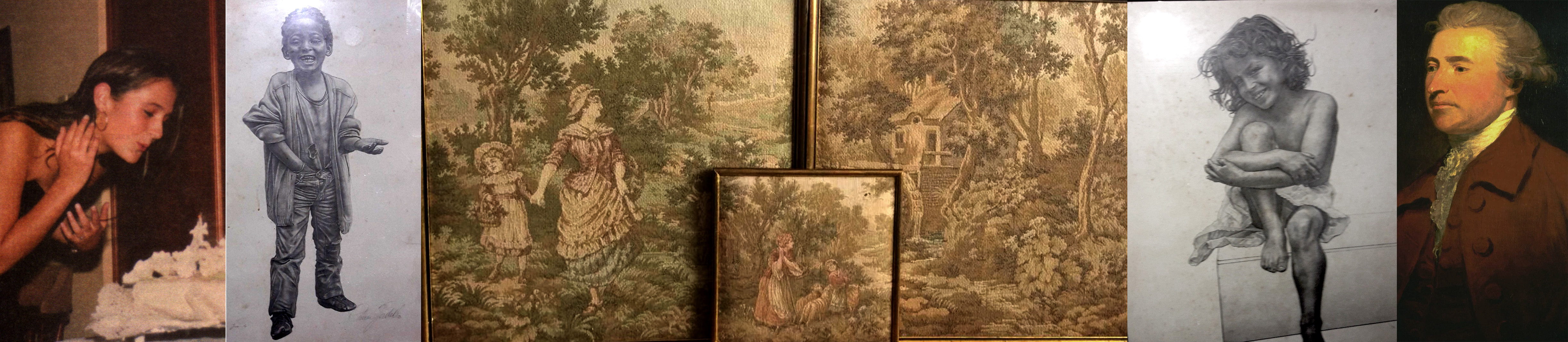
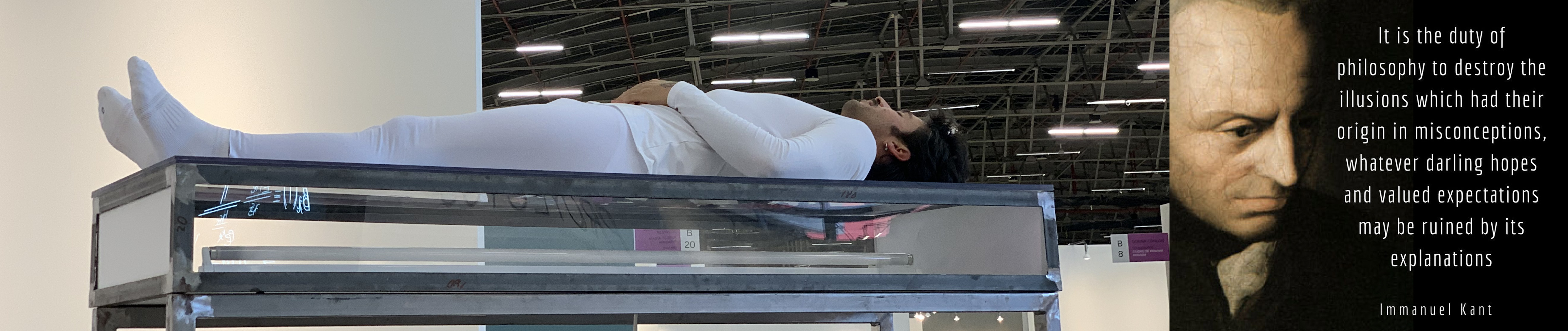
Toda esta debacle de filosofía para decir que la búsqueda de la lógica, a saber diferenciar la verdad de la falsedad, no está fundada en un criterio lógico, si no en uno ético. Preferimos la verdad porque es buena, bien sabemos lo beneficioso que puede ser una mentira, pero lógicamente es imposible deducir que la verdad es preferible en si misma. Es con la invención de la crítica de la razón, que Kant instaura la moral burguesa que por tener tiempo libre empieza a educarse en el buen gusto. Pero pobre de Kant donde supiese hoy que le llamamos posmodernidad a su superación, y que con las ciencias normativas aparte de poner de moda los gobelinos o los cuadros de gamines de Gordillo, lo que toda su vida estudió con tal rigor que en su pueblo cuadraban los relojes a su paso, no es más que dejar en manos de la estética burguesa la custodia del mundo. Y por que? Si la búsqueda del imperativo universal del deber ser es preferir la bondad sobre la maldad, no existe aparte de la solución religiosa clásica, en la naturaleza una manera de deducir que la preferimos; a la bondad, lo bueno, por que es bello. Lo bello place sin interés posterior por tanto funda la lógica y la ética; y en tanto que la belleza la dictamina la Merchant de arte que con desprecio empuja al artista que no vende en Artbo, mientras sus ridículos clientes esnobistas alumbrados con neón decoran sus salas con lo que los ricos compran. O en este caso los expresidentes y su demagogia farandulera. Juro que el desprecio con el que empujaren mi saludo, cotizó en la bolsa al pendejo que como artista quemaba su neón plasmando su presencia. Y eso que era la madre de mi amigo, que será de San Felipe y los DJ’s hoy auto determinados galeristas que creen que el arte y la vida se domestica, como los alumnos de la Javeriana que incómodamente saltan entorpeciendo el paso. O se ahorcan en sus casas, en hoteles o se atiborran de rivotril porque la vida les aburre y les deprime. Su felicidad instagramera no se auto sostiene y viene de nuevo el tedio, que no es más que un estado de animo en donde el yo se percibe como carga.

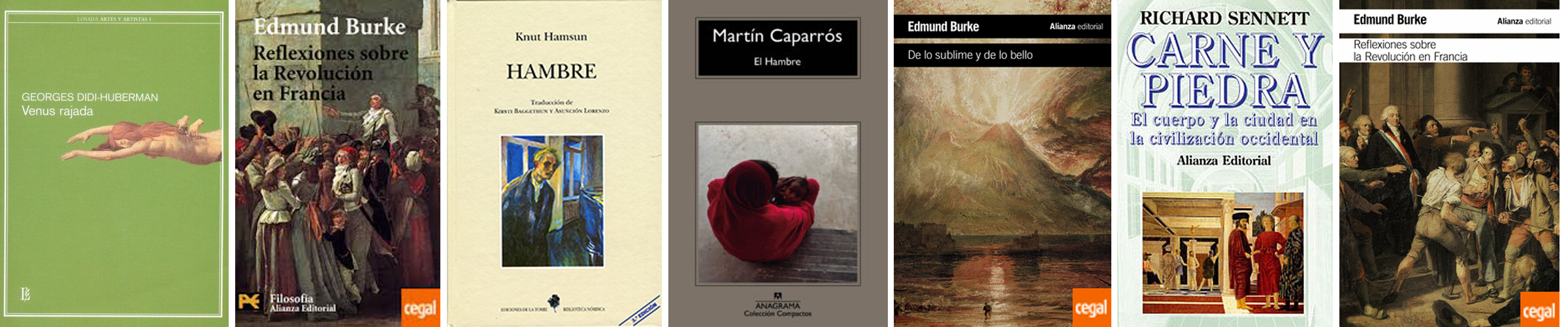
Escribo esta carta a Samuel, mi amigo javeriano artista de 20 años quien impactado me cuenta sobre el suicidio de cuatro de sus compañeros universitarios en el último mes, y a grito herido le digo que levante su mirada y mire a los otros. que todos esos niños que vemos alrededor comunicándose en pantallas que los representan con emojis que remplazan sus palabras y viviendo una felicidad ficticia de la conexión entre ellos por las redes sociales. Esa nueva semántica de la imagen que los une y los separa de apariencia de videoclip en sus instagrams; esta atención dispersa de visualizar con atención no mas de tres minutos que los arroja a vivir bored&depressed, es un grito de alerta de que dejen de fantasear en estar conectados por likes y por lo que dicen los influencers, que en realidad solo son adolescentes asustados que olvidaron hablar y leer. Poe favor lean un libro; aprendan algo útil, ustedes no son el centro del mundo y no por eso hay que morir. Con empatía por los padres de todos los adolescentes en problemas afectivos y con obsesiones por sentirse amados, sepan que mal educaron tiranos afectivos dependientes de la tecnología como sustento social. Lean a Edmund Burke hablar sobre revoluciones y belleza, lean el Hambre, sea de Knut Hamsun o de Martín Caparróso, lean por favor a Richard Sennett en «Carne y piedra» y sepan relacionar sus cuerpos con la ciudad y la época. Lean a David Morris y la «Cultura del dolor» para saber que siempre a dolido más, y que están anestesiados en youtube viendo bailes y violencia mientras que la crueldad de lo real que Didi-Huberman muestra en su «Venus Rajada» Lean y hagan algo más que asombrarse porque estan solos y pongan el dolor a producir. Esto es Arte y dolor y como la mierda humana, la experiencia; solo uno coge la propia.
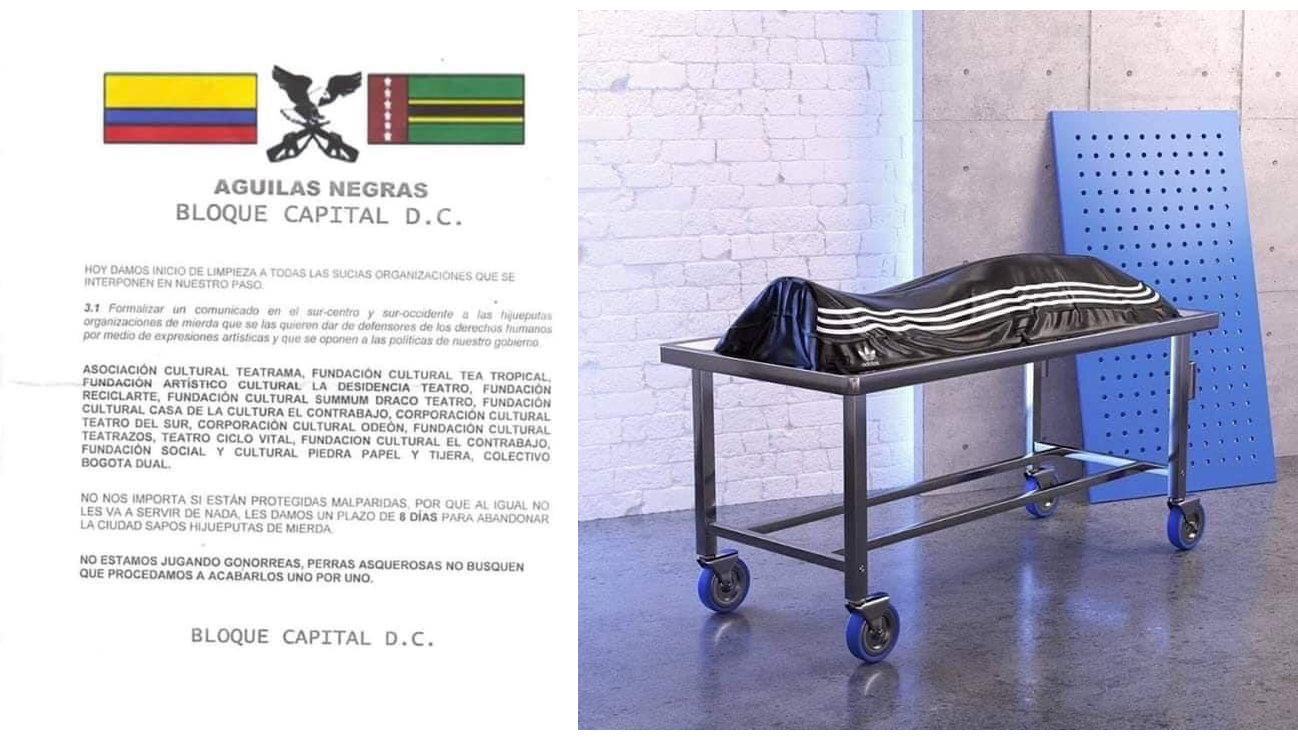
Estas raíces profundas no están en Grecia en una polis idealizada, están en la cuna de las revoluciones y en la desbocada idea de la burguesía de educar su buen gusto. Pero lo correcto se somete a un principio de adecuación al individuo que tergiversa lo universal del ideal kantiano. Por eso correpto es corrupto. Si busco en mi país cual es la definición de ser un hombre correcto: es correcto estar vivo. Incomódele a quien incomode. A la señora con su peluqueado de Carulla vendiendo cuadros, a Lafauri desplazando campesinos para hacer aceite y hamburguesas de Nutresa. Hamburguesas que queman el país, masacrando ya no en los campos lejanos donde vive el negro, el pobre, el indígena; desplazando en los barrios de frontera, en donde ya están las águilas negras exterminando la cultura. Las casas de pique en Villa Luz, que ya saben que si borramos el arte, la memoria y la cultura, podremos venderles nuestras almas de nuevo a los españoles que han regresado por movistar, BBVA, y las compañías de Gas; mientras el paisaje lo depredan los correctos canadienses que minan el paramo.
Por eso es que los adultos se enfurecen de ver que un muchacho se quite la vida por decisión propia. Si ya la sentencia la tomaron los abuelos y a los que quedan los callaran o aniquilaran sin mas remedio. Por eso le gritan sin razones a la adolescente ambientalistas porque el oro no quita la sed de sangre que tiene nuestro pueblo. Y si esta harto de fenomenología salga a la calle y grítelo. (*anexo documento por si requiere instrucciones). Finalmente si no incomoda no es protesta. Mírate a los ojos del venezolano que te dio 9 puñaladas por física hambre, mira al fiscal pastúso que te dijo que se lava las manos contigo, mira al procurador cristiano que mantiene dos hogares paralelos y pregúntale si ti cuadro manchado con sangre es bonito; porque esa belleza asquerosa de la pequeña gran burguesía bogotána es la que te paga el corralazo con que almuerzas.
Si es de interés de ustedes no duden en comunicarse conmigo, y de no ajustarme a tu cosmogonía ve a que te coma un gringo y vende lo que te quede de dignidad en Barcú.
___
_