


Upon coming to understand the concept of the Anthropocene, I discovered that it is the name of the geological epoch that the scientific community proposes to succeed the Holocene, the current epoch of the Quaternary Period in Earth’s history. It is a word coined from the term Anthropozoic, coined by Antonio Stoppani in the 19th century to define a new geological epoch based on human impact on the ecosphere (Planet Earth). The term Anthropocene was proposed in 2000 by Paul Crutzen. Michael Samways coined the term Homogenocene in 1999 to refer to changes in the planet’s ecosystems. Finally, Andrew Revkin discussed the Anthrocene in a 1992 book called “Global Warming: Understanding the Forecast.” Well, it is still an informal term, used as a metaphor for environmental change, and it has not yet been accepted by the International Commission on Stratigraphy and must be ratified by the International Union of Geological Sciences at a world congress.
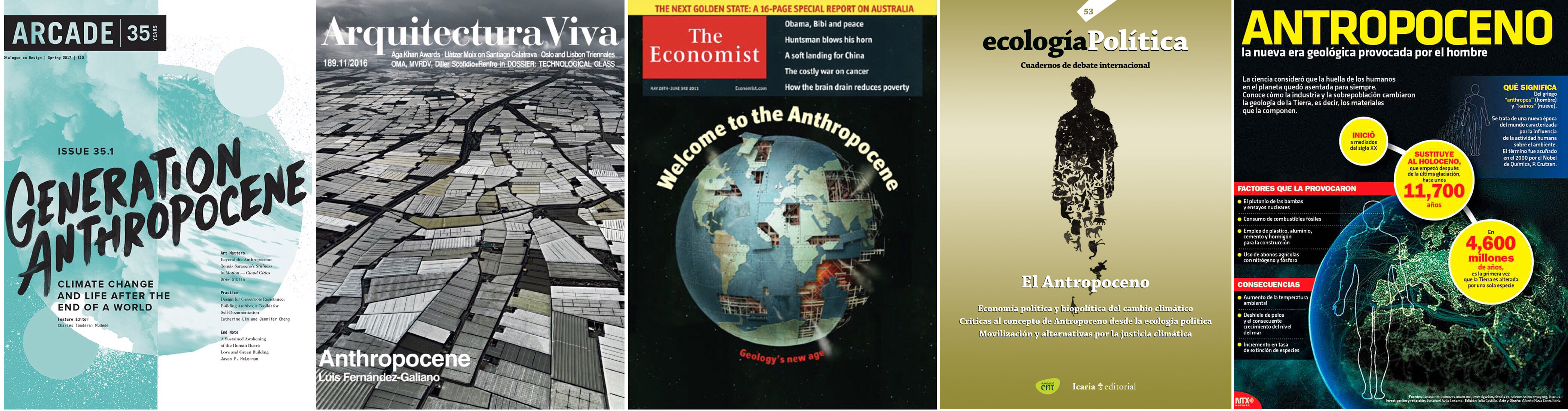
In this article, I intend to review the cultural environments that inspired the word and how the concept was shaped by a series of cultural events in the second half of the 20th century, generating the human development of the end of the previous millennium, which forever altered humankind’s perception of the biosphere.
Next, I want to explore the concept of humanism and its historical implications. The term emerged during the Renaissance and is a broad-based, polysemic concept that revisits the Greeks, classical studies, and the human arts to reconfigure a doctrine that integrates human values and knowledge. Humanism emerged in Italy by privileging the value of rational and critical thinking over superstition and dogma. It vindicates humankind as the transmitter of knowledge, and with the explosion of exchange and the technical advances of the time, a period began that would transform thought.
Humanism turns its gaze to the classics, to Greece and Rome and their art; Which, when reinterpreted, regained validity and generated overwhelming development in the field of art during the Renaissance. But this fostered the development of thought, philosophy, and science. Thinking beyond faith, loving nature, and supporting the development of the capacity for analysis and interpretation created this bonanza of intellectual production in humanism.
But this is once again relevant today. Revisiting the relationship with nature, the spectrum of emotional intelligence, and the vindication of the transdisciplinary seems to be a new direction called digital humanism. In this sense, I will conclude the central idea of the essay, proposing a condition that interrelates the two concepts.
Now, let’s begin. The Anthropocene began to permeate culture, or rather, culture envisions a change that shifts the position of the human, and what we call today the Anthropocene begins to take shape. In 1955, a decade after the devastation of World War II, UNESCO exhibited a photographic collection of 503 photos from 68 countries, curated by Edward Steichen for the MoMA in New York. This exhibition, deemed the largest exhibition in the world, opened the minds of those who saw it in the years to come to a humanist perspective, vindicating human beings and the common good, their families, their humanity, in the place that the power of technological development applied to war had displaced in the first half of the 20th century.
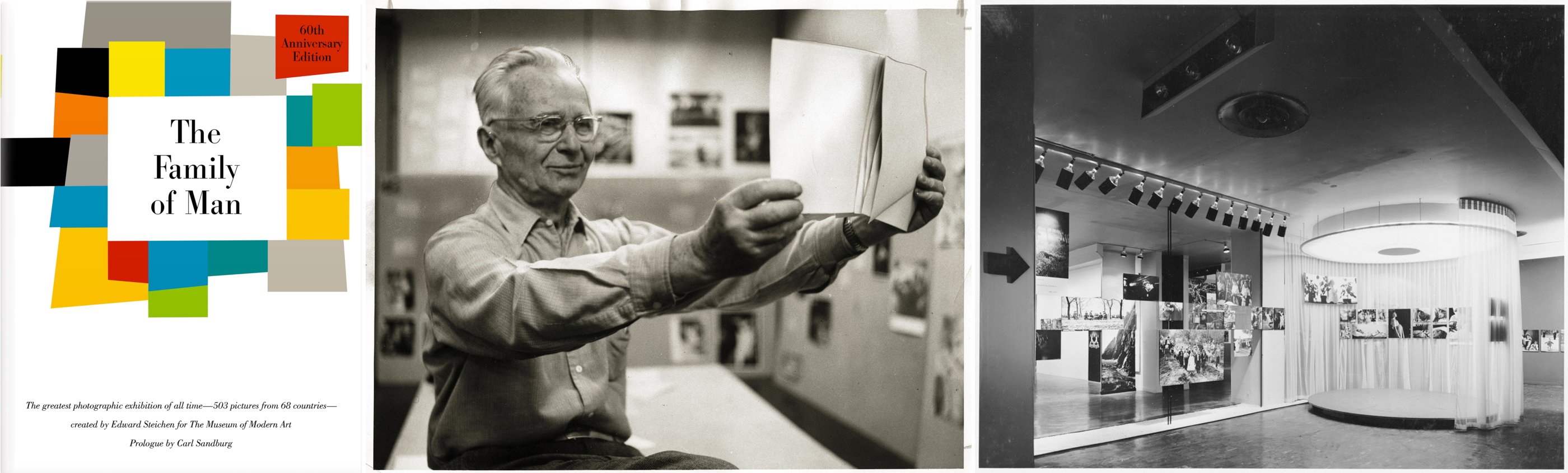
This perspective not only stresses the differences that separate us in racial and cultural terms, but also integrates what is common to humanity and the institution of the family. Thirty-seven (37) themes, including birth, children, education, work, faith, and war and peace, together provide a reconciling view of difference and generate a new empathy for what humanity means in post-war culture. This perspective emerges at a time when the space race gives humanity a new dimension. The conquest of space places humanity and its capacity to transcend its own nature re-symbolizes humanity’s place in the universe. Perhaps that pre-Copernican place where humanity was the center of the universe.
Today, in astronomy, the anthropic principle was once again discussed. It is quite telling that, for cosmology, it speaks of everything revolving around humanity. The anthropic principle states that the world is necessarily as it is because there are beings who wonder why it is that way. Or rather, the existence of the universe, of nature, is justified by looking at itself, and the awareness of looking justifies any existential doubt. Strange, isn’t it? Now, of the two positions on the anthropic principle, one says that the purpose of existence is to produce the complexity we encounter as beings in the universe. I don’t know about you, but I feel like we’re regressing years of progress from anthropocentrism and justifying our actions against nature in the most fallacious way we can tell ourselves.
If this is tautological reasoning, it’s absurd to consider this outside of human experience. But I dare to think we’re at the dawn of a new ontological threshold. Humankind has created from nature the possibility of creating life outside of biological entities, outside of carbon. It would be tempting to think that humanity’s true transcendence lies in being able to free itself from the body, from the planetary scale, and perhaps from the rational pattern of thought.
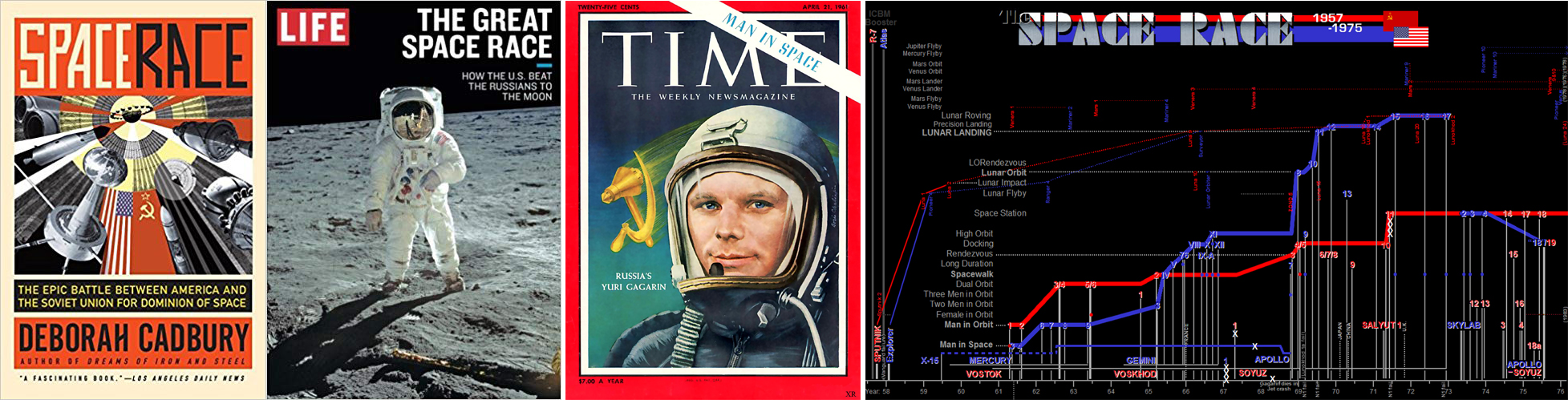
But perhaps we’re going too far. Let’s go back. We were talking about how, when Yuri Gagarin left Mother Earth, the concept of the planet was reinterpreted for humanity. The photo taken on December 7, 1972, by the Apollo 17 crew, known as the “Blue Marble,” brought us back to our existence as biological entities belonging to an ecosystem that progress was unchecked and plundering.

This look at our place in the universe brought back a nostalgic view of human consciousness and existential reason. Perhaps, like Conrad’s book, “Heart of Darkness,” it presented astronauts as a new Charlie Marlow, and the cry of “Horror! Horror!” prompted subsequent generations to rush headlong into reintegrating human nature with the nature of the planet. The symbiotic rupture forever transformed humankind’s place in their environment. A new ascent of bipedalism seemed to take off. Looking above the Earth led humankind to seek new conquests in space. It lifted humanity skyward once again. And the “Earthrise” photo taken by William Anders on December 24, 1968, was the beginning of humanity’s contemplation of the fragility of our existence, which would only be rooted with the photo of “a pale blue dot,” taken at Carl Sagan’s request when the Voyager 1 space probe last looked back at home, of which the astronomer and writer said:
Look at that dot. That’s here. That’s home. That’s us. Everyone you’ve ever heard of has lived there, every human being who has ever lived. The sum of all our joys and sufferings, thousands of self-confident religions, ideologies, and economic doctrines, every hunter and gatherer, every hero and every coward, every creator and destroyer of civilizations, every king and every peasant, every young couple in love, every hopeful child, every mother and every father, every inventor and explorer, every moral teacher, every corrupt politician, every “superstar,” every “supreme leader,” every saint and every sinner in the history of our species lived there—on a speck of dust suspended in a ray of sunlight.
Earth is a very small stage in the vast cosmic arena. Think of the rivers of blood shed by all those generals and emperors so that, in glory and triumph, they could become momentary masters of a fraction of a dot. Think of the endless cruelties committed by the inhabitants of one corner of the dot on the barely distinguishable inhabitants of some other corner of the dot. How frequent their misunderstandings, how eager they are to kill each other, how fervent their hatreds. Our attitudes, our imagined importance, the illusion that we occupy a privileged position in the Universe… All of this is challenged by this point of pale light.
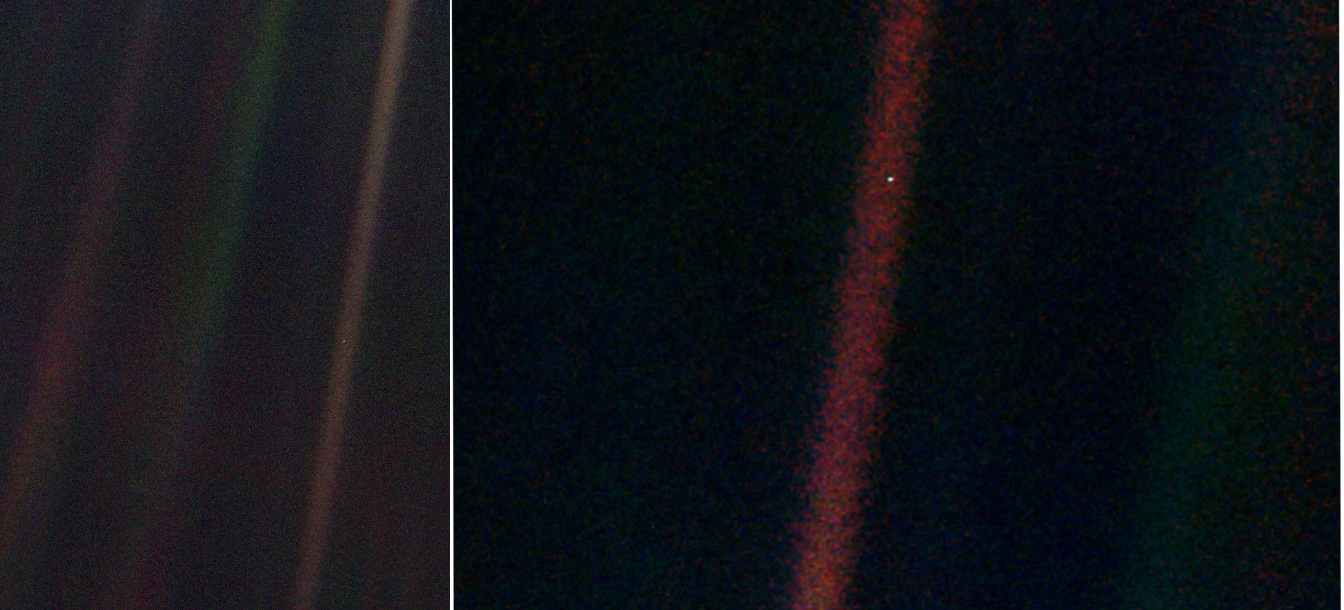
Our planet is a lonely speck in the great, enveloping cosmic gloom. In our darkness—in all this vastness—there is not a hint that help will come from anywhere else to save us from ourselves. Earth is the only world so far known to harbor life. There is nowhere else, at least in the near future, to which our species could migrate. Visit, yes. Colonize, not yet. Like it or not, for the moment, Earth is where we must stay. It has been said that astronomy is a humbling and character-building experience. There is perhaps no better demonstration of the folly of human hubris than this distant image of our tiny world. To me, it underscores our responsibility to treat one another more kindly and compassionately, and to preserve and cherish that pale blue dot, the only home we have always known.

This view of who we are and the impact of our imprint on the planet led to the flourishing of ecology, equestrianism, and the awareness that humankind would forever alter the planet and the living species it supports. This human imprint on the planet, radioactive isotopes, the loss of biodiversity, and climate change are evidence of a process that began 12,000 years ago with agriculture and the domestication of animals. Jared Diamond mentions it in his book “The World Until Yesterday,” and the understanding of human impact is evident in a number of New Age and surface ecology movements. Today, to think about the advent of humanity is to associate the idea of progress with the exponential development of technology.
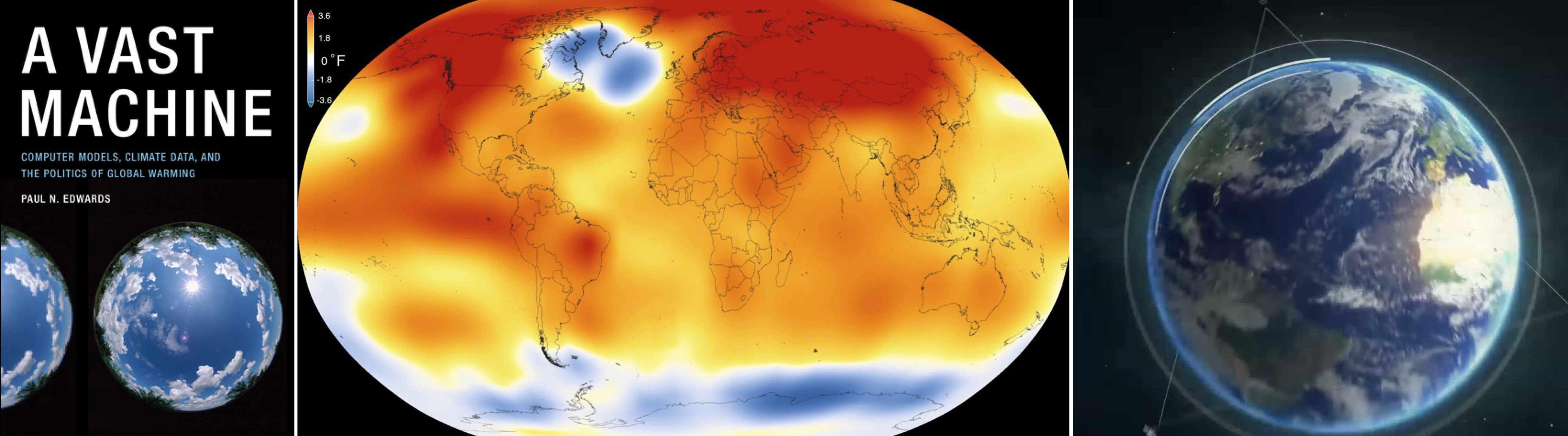
In Paul Edwards’s book, “A Vast Machine,” he scientifically addresses computational modeling and the science behind climate change amid a political game that refuses to acknowledge the data science provides on climate. Ignoring the data doesn’t make them disappear. It even seems that a new animism is emerging in the politics of countries outside the production of fossil fuels, and in the constitutions of some Latin American countries, the environment, the rainforest, and rivers are being treated as individuals with constitutional rights that reconcile visions of economic dynamics with the future of the planet itself. It’s like a re-emergence of colonial fetishism, where the objects of power that marginalized cultures held over the world will be redefined in the global context.
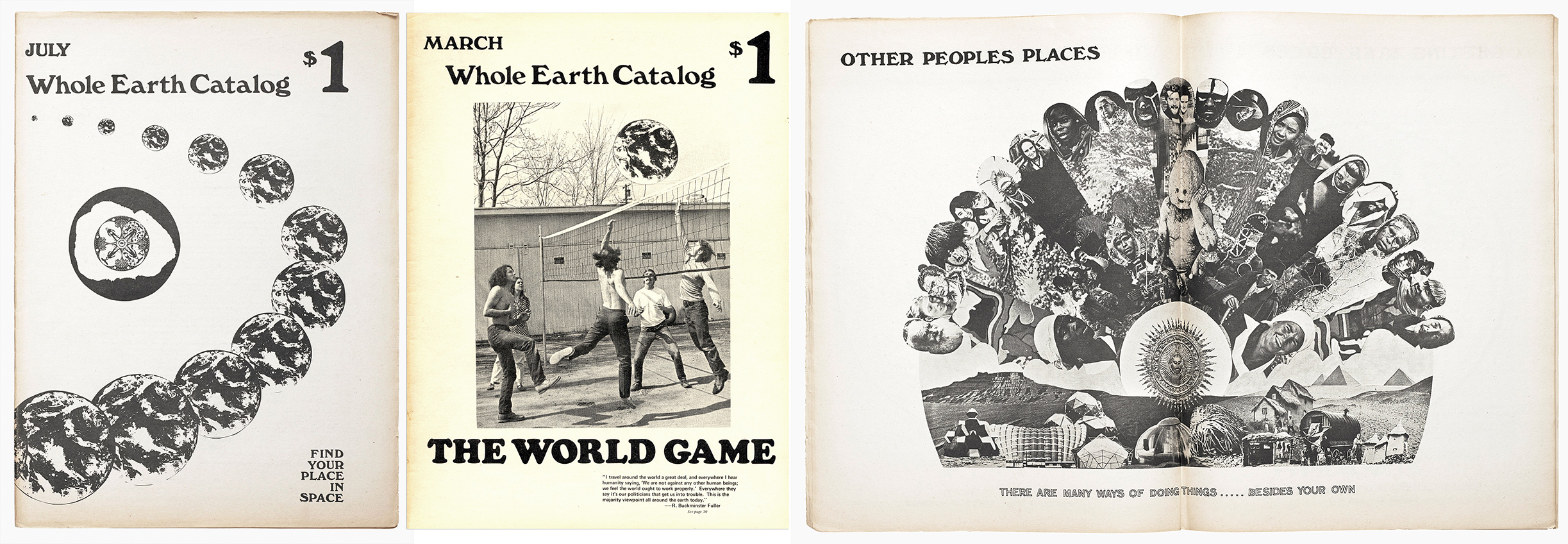
From V2 rockets to the countercultural fanzine “Whole Earth Catalog,” to Aldous Huxley’s book “The Doors of Perception,” they have led us to expand our capacity to understand the fragile and ephemeral existence of our being and the impact we have had on our environment. All these post-Cartesian revelations have shown us that the last wall of the globe has fallen in Berlin, and that the dream of globalization is realized in the integration of social, biological, and economic beings into a network of connections never before integrated into the ecosphere.

Today, the territorial agency’s Anthropocene Observatory maintains a series of interpretations of the state of the planet and celebrates the global demonstrations on the topic. The Intergovernmental Panel on Climate Change (IPCC) is aware of the demonstrations about our impact on the climate, as well as the political, economic, and social relationships surrounding this issue.
All these demonstrations, the tension between the Earth system and the world system, are how culture is shifting toward this contemporary humanism. The new era, which recognizes in this network of connections a new existential level of human knowledge, forces us to rethink the role of humankind in the dawn of the technological future we are witnessing. It is integrating the ontological spheres of nature, human knowledge, and the technology that supports it. It is in this sense that so-called “digital humanism” has taken on the preponderance we see today in this “Image Festival.” Thinking about what digital humanism means goes beyond thinking about the oxymoron. Does the digital go beyond the human? Is the Anthropocene the end of life based on carbon-based biological organisms? So let’s engage in dialogue with these words and address the meaning of digital humanism.
A first feature of digital humanism is the importance of humankind amid the avalanche of data that surrounds us in our connections. We are encrypted as part of the market dynamics, and our actions generate an overwhelming flow of data that records who we are. Each person has five devices they interact with daily, which collect data on our routines, tastes, and preferences. Who we are online, both socially and economically, validates our existence within the system. To better understand this new profile, a manifesto has been created, which includes the three main points of this approach:
Put people at the center. Any design must be centered on people, and it must begin by observing them, because they may not know how to articulate their needs. It must be centered on people through observation.
Embrace unpredictability. Organizations must embrace the serendipitous discovery of how technology can be used for human needs. Not only must they embrace it, but it’s important that they understand it, and that they have the necessary resources and infrastructure for its correct and agile implementation.
Respect privacy. Privacy policies must be taken into account, communicated, and respected. But not only that. Education is also needed for society so that it doesn’t perceive data analysis as a direct intrusion into its privacy, as a threat rather than an opportunity. This new profile of humanist must have more technological knowledge and be willing to work with data, with scientific data. They must also know how to apply deductive science and logic to gather cultural information. Brian Prentice, research vice president at Gartner, believes that “companies must work to understand how our shared humanity can define the systems they create and control. By doing this, we not only put people above technology, but we also generate direct benefits for companies, benefits that cannot be achieved from a more machine-like perspective.”
Today, it is essential that we think of ourselves in this environment as digital humanists. IoT, Big Data, and Cloud computing are intertwined in the vision of so-called Industry 4.0, where robotics, genetics, and artificial intelligence enhance human capabilities and open up new fields of knowledge amid the dynamics of market reality and its cybersecurity standards and blockchain support, as a guarantee of transparency.
To be part of this, we must be aware of the digital transformation that humankind is undergoing. We must think of ourselves within this interconnected system. Be competent as the possibility of creating new interconnected products and experiences opens up, as well as new business models based on these types of technologies.
Now, it’s undeniable that we live this reality. Digital humanism cannot be paternalistic or bucolic. It’s important to be open in this digital environment. We must prepare to learn from this new horizon, but more than adapting, we must take a leading role in what lies ahead. For me, this is the pivotal point of this essay and where we should focus the panel discussion at the festival. Not only enter this environment, but also prepare for what the future barely gives us any signs of. Thinking about tomorrow, the relationship between man and machine, must be the center of thought.
Now, it’s undeniable that we live this reality. Digital humanism cannot be paternalistic or bucolic. It’s important to open ourselves up in this digital realm. We must prepare to learn from this new horizon, but more than adapting, we must take a leading role in what lies ahead. For me, this is the pivotal point of this essay and where we should focus the panel discussion at the festival. Not only to enter this environment but also to prepare for what the future barely gives us any signs of. Thinking about tomorrow, the relationships between man and machine, must be the center of reflective thought about what we must do as creative actors and design the interactions of the future.
To open up this possibility of introducing the concept of metahumanism, the initial impulse is a constant feeling of unease. There is something that gives me a glimpse of a very near future where humanity is intimidated by the imminence of dominant technology. It is not a dystopian nightmare, but rather a migration from the biological support of the human to the technical existence of the machine. This radical ontological shift emphasizes nostalgia for what makes us human and leads us to ask whether the machine can transcend this. For me, poetics and the most sacred relationship between man and the world are the traits that still distance us from technical existence.
Spinoza spoke of a total God. And this rationalist Marrano was expelled for his pantheistic thinking that despised that classical orthodox God, thinking that everything is God. God is nature. And we are God in that sense, even when this thinking was the seed of rationalism that would distance us from the world in our own subjectivity. For Spinoza, God is revealed as the harmony of coexistence, and not in a God-person interested in human destiny and actions. At the time, Spinoza’s Ethics saw a single path, accompanied by science and religion, to seek an understanding of reality.
Reading this note Spinoza made in the 17th century, I see the need to undertake an understanding of technological reality that somehow reconciles technology with nature, and by reconnecting the current dichotomy between these concepts, I believe this is the first step toward thinking about tomorrow. Several scientists and specialists working on the future of technology see the coming change as a challenge. Humans have been developing as a species for around 250,000 years. From the mastery of fire by hunters and gatherers who grouped together in small communities to the transition from gesture to speech, these are incredibly radical achievements compared to the other biological species with which we cohabit the ecosphere that is our natural home.
This past of so many years was based on collective learning and the transmission of information. The evolutionary pace of carbon-based life may seem slow to us today; But in reality, the genetic code learns over much longer periods of time than human generations. In fact, DNA learns through mistakes or mutations that change and adapt. But the experience of living is only acquired through living, and slowly some of this experiential information is transformed into instinct. But with Homo sapiens, collective learning gradually developed, and we were able to externalize experience in a proto-language that, over 200,000 years, was refined with each human generation that was born and died.
But something incredible happened 12,000 years ago. It was a bonanza of energy that came from this human learning. It was in the valley of the Tigris and Euphrates Rivers, where hunter-gatherers domesticated sorghum and wheat seeds for the first time and created the first agricultural system. This was also the birth of technology, which had been developing with the use of tools and which, for the first time, allowed human beings to establish settlements, thereby establishing a division of labor and creating a social structure.
This was the birth of technology and, with it, the fundamental distinguishing feature of humanity. Externalizing experience in language, transforming the living voice into writing, and the ability to create a common space among humans was the great differentiator of the human species. With it, the birth of a collective learning process that exists in the world beyond the life and death of an individual, but rather a living organism that takes shape in this sphere of knowledge that is embedded in culture.
But let’s return to Spinoza. As humankind separates itself from nature in its dwelling, as it references the world and constructs it, it separates itself from nature. With this comes the invention of God and the construction of wisdom. Through thinking and recording thoughts, this information about the world is formed, which surpasses personal truth and shapes civilizations. For the philosopher, God is the nature from which we separate ourselves. And for him, emotions are expressions of how this dichotomy affects us. I will later discuss the geometric order that Spinoza established for the understanding of human knowledge; but it is necessary to understand that in this rupture between mind and world lies the genesis of human thought. The idea of God is, therefore, to reconnect humankind with nature. And to return human beings to coexistence in the biosphere.
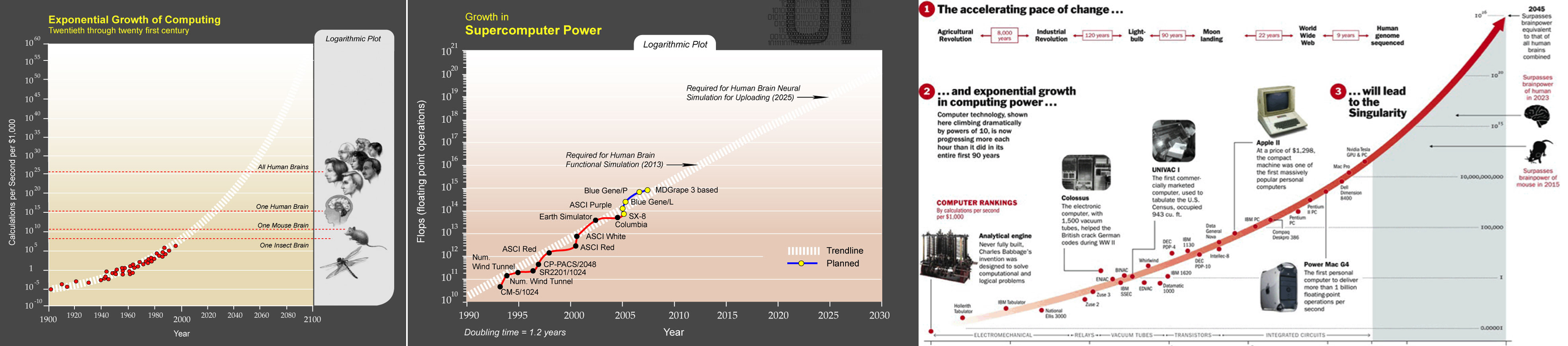
The acceleration of human progress, of the evolution of the planet, and of the formation of the universe grows exponentially. And if life seems like an abysmal leap, so does the emergence of Homo sapiens. It’s not at all remarkable to see autonomous technology as the next big step from what exists. Based on the evolutionary line, understanding the passage of time as the transition from the simple to the complex, we are just a few years away from hitting the wall. Ray Kurzweil calls it the “Law of Accelerating Returns,” which is the increase in the rate of technological progress. This notion of technology is immersed in digital culture and the social network; therefore, technology forms the essential fabric of the technosphere that manifests itself online today. The more advanced a civilization, the greater its growth rate. In this sense, the rate of return between 1985 and 2015 is exponentially greater than that of the decades between 1955 and 1985. And if we develop the mathematics of this law, we can see that the development of the 20th century has been equaled in the first 15 years of the 21st century; And in the last three, we’ve almost matched the development of the first 15. At this exponential rate, technological growth seems quite normal; but in reality, we’re facing such growth in the next 30 years that humanity will be facing a technological wall. At the very least, when we see the computing power of AI (Artificial Intelligence), we’ll feel the same frustration we feel today when trying to explain quantum physics to an indigenous community. They are simply different worlds; incompatible.
Now. Understanding this, Spinoza’s thought becomes relevant to me. It is essential to establish an ethical protocol for programming artificial intelligence, one that goes beyond the vision of the laws of robotics that Isaac Asimov established in his vision of the future. And in what sense is Spinoza’s rationalist thought updated today? For me, the geometric layout he proposed to understand the relationship between the world (God) and humankind (emotions and affections) is the starting point for creating an algorithmic pattern that establishes the ethical limits of human thought and separates logical reasoning from the machine.
To this end, I propose a layout based on the normative sciences of human thought: logic, ethics, and aesthetics. Normative is understood as behavior ordered according to a set of laws or norms. In an elementary sense, logic bases its normativity on the dichotomy of truth and falsehood. Hence, logical-mathematical thinking is the foundation of programming and its languages. But when we question the foundation of logic, we find human ethics. That is to say: we prefer truth to falsehood because it is good. Falsehood is evil. But this thought, rooted in human morality and widely studied in Ludwig Wittgenstein’s logical-philosophical tract, leads us to an ethical basis of logic. This criterion of correctness, of ethics, of the correct life for the philosopher, regulates a human life based on the distinction between good and evil.
This philosophical foundation, this normative development of human behavior, disobeys logic and proposes a very blurred ethic. When we consider why we prefer goodness over evil, we can only deduce that goodness is beautiful. This aesthetic foundation of ethics, which follows the line of thought of German rationalism, where beauty is that which pleases without any ulterior motive, It allows me to assimilate, based on this order of ideas, that the search for beauty, in an artistic sense. That is to say: art, is the last corner of human experience. Thinking about it in current technological terms allows me to intuit that poetics is the instance of human meaning that separates us from the machine. And this experience of truth, good and beautiful, which we can define in the history of human art, forms the last existential plane of meaning of human experience; and therefore, it is necessary to share it with the machine’s thought, and thus prevent the fundamental logical thought of human existence in the biosphere: namely, a transitional error where the support of meaning shifts from a biological support to its autonomous existence in the sign, from which any artificial intelligence with common sense will deduce in the coming years of human becoming.
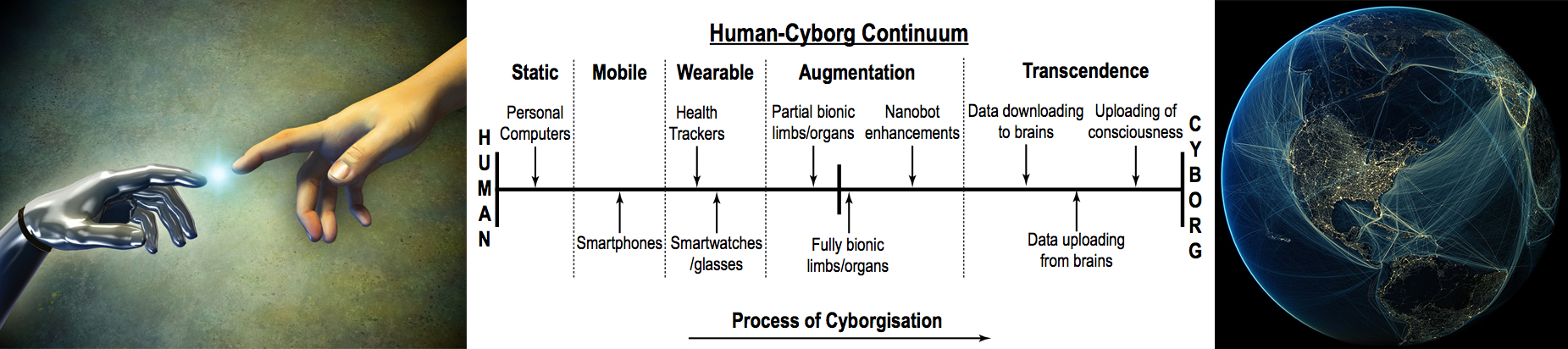
Understanding the reality of what surrounds us is a multidisciplinary field, but above all, recently, a technological process. Understanding the contemporary is speculative, and traversing an ethical path around the cognitive conception of the aspects of technology that govern the processes of human action in reality is a fundamental discussion. The Limits of Discussion proposes understanding the possibility of overcoming the Anthropocene in terms of true change, generated by the biological support of the mind and thought; and assuming that the era we are entering is something like a Signocene, in environmental terms; and in conceptual terms, it seeks to overcome this state of new humanism that pigeonholes the possibilities of overcoming the displacement of cognitive support to the very elements of nature. This meta-humanism transcends the gap between man and machine and, on the contrary, gives the content of the sign its foundational value in this new world. The economy of signs that underpins the system of integrated reality is only one path of thought to overcome this cycle of eternal return, in which man always sows himself. Thinking and re-experience these concepts can purify our metaphysical understanding and transcend a fluid interpretation of signs between body and mind.