

In the sky are clouds. Masses of water vapor. Indicators of the stability of the air. They may be larger than Everest and weigh 500 tons, yet they rest in the sky, watching below them as the earth swiftly spins in its quest. Clouds have always inspired humans; they invite children to dream of seeing shapes, animals, and objects that fly momentarily through the skies before disappearing.
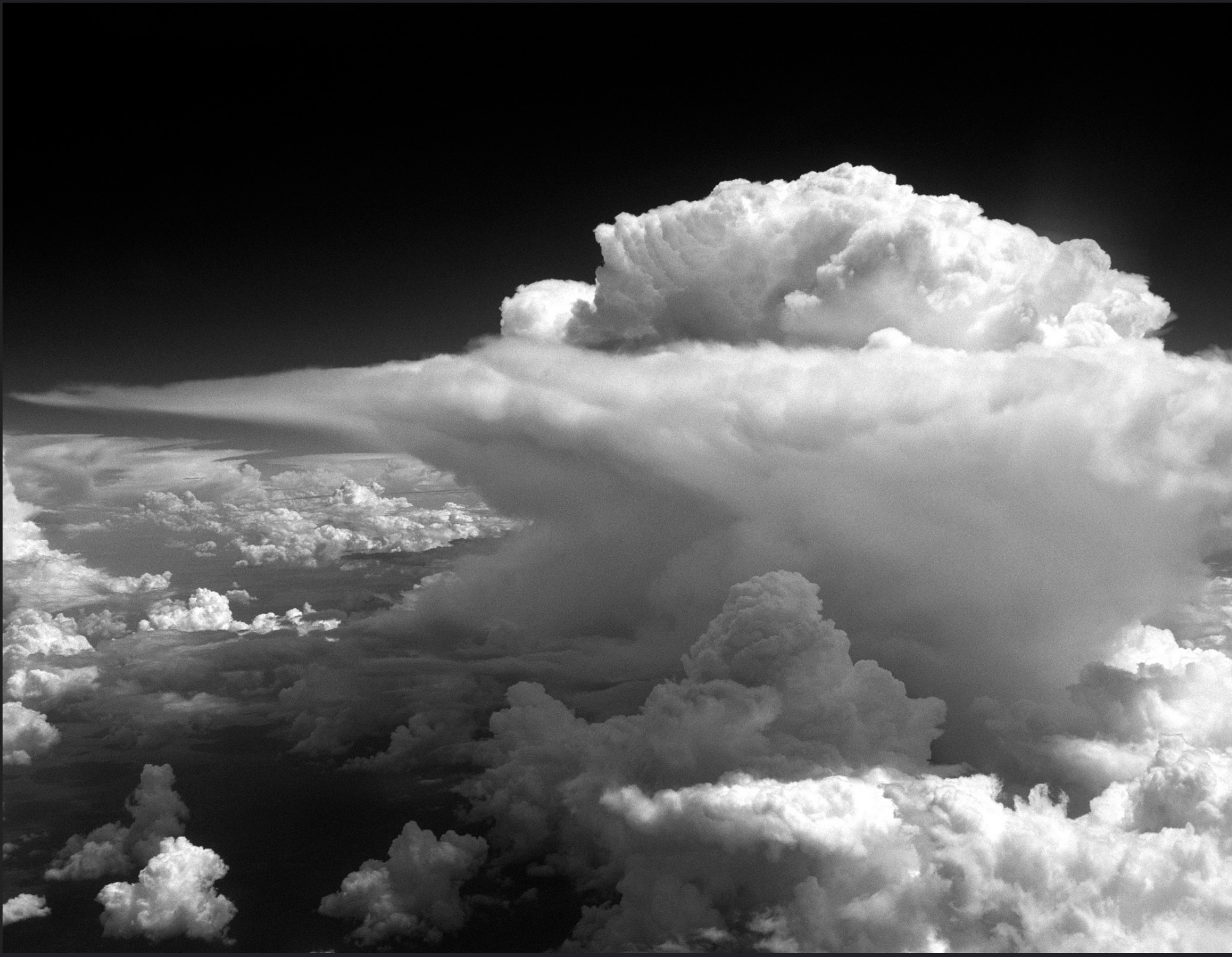
But what exactly are these white and gray masses that hover over our existence?
A cloud is a hydrometeor, a visible mass formed by snow crystals or microscopic water droplets suspended in the atmosphere. Clouds scatter all visible light, which is why they appear white. However, sometimes they are too thick or dense for light to pass through, and when this happens, the color turns gray or even black. Clouds are water droplets on atmospheric dust, and depending on certain factors, the droplets can turn into rain, hail, or snow. Clouds are an aerosol formed by evaporated water, mainly from the oceans.
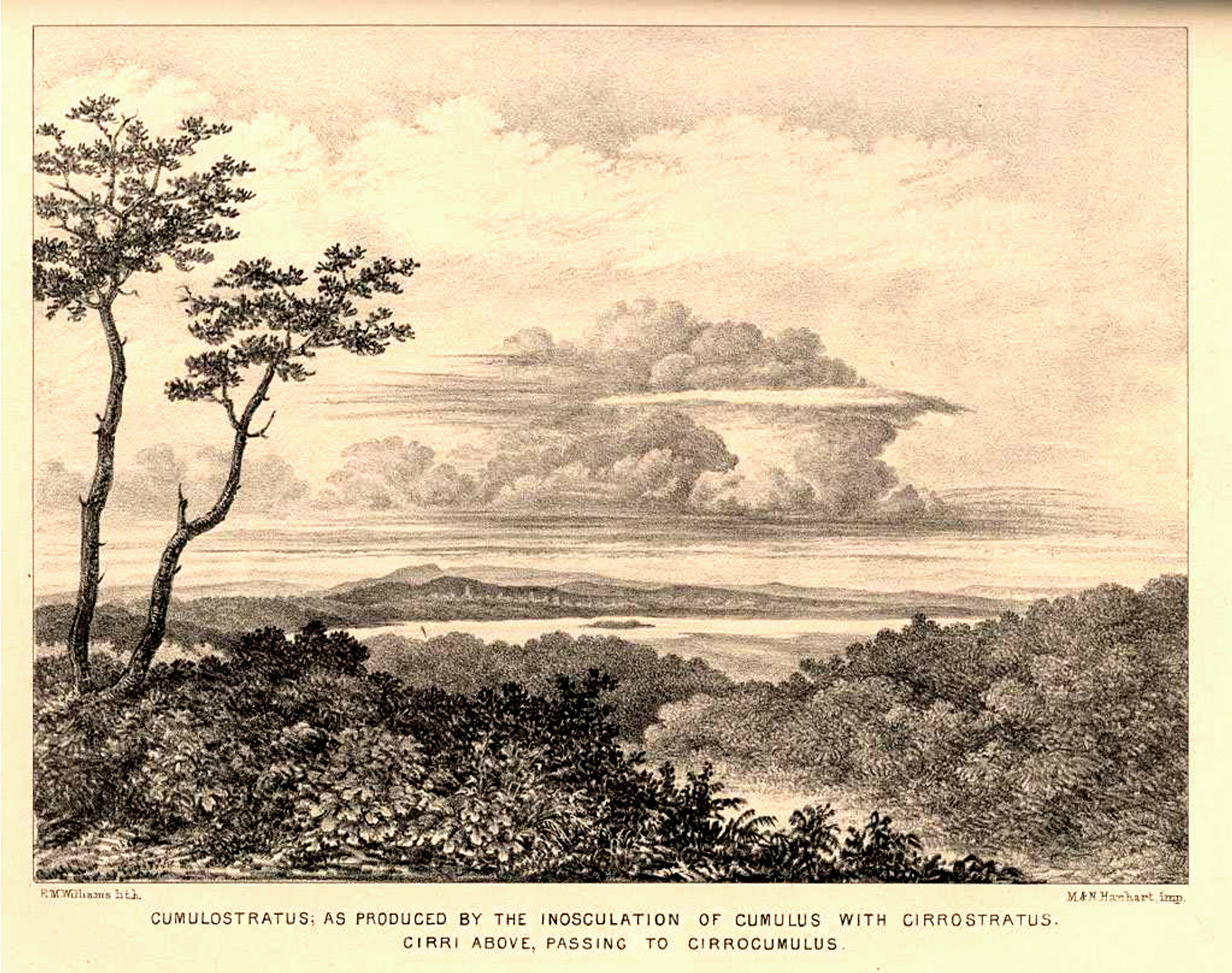
Clouds are visible to the naked eye and are classified according to an international system created in the early 19th century by Luke Howard, an English chemist and meteorologist who divided them into four broad categories:
- cirrus clouds, which are elevated, brush-like plumes composed of ice crystals;
- stratus clouds, extensive cloud layers that often bring continuous rain;
- nimbus clouds, clouds capable of forming precipitation;
- cumulus clouds, puffy, flat-based clouds that cross the summer sky.
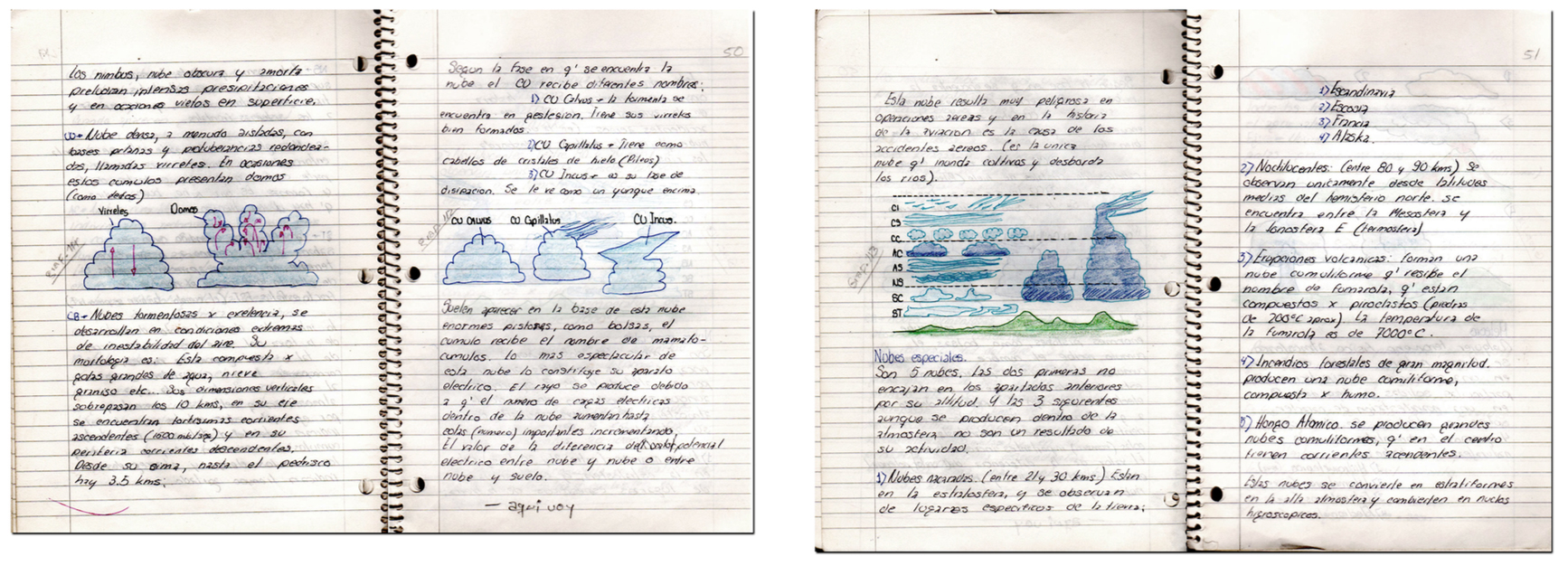
Our modern cloud classification system includes many combinations and subdivisions of these four basic categories.
When a meteorologist speaks of precipitation, they are referring to rain, snow, or any form of liquid or solid water that precipitates, or falls, from the sky. The amount of rainfall is measured by rain gauges. The simplest form of rain gauge is a straight-sided container with a scale, or ruler, for measuring the depth of the falling water. Most of these devices direct precipitation through a funnel into a narrower tube to allow more accurate measurements of small amounts of precipitation. Like other meteorological instruments, rain gauges can be made to record their measurements continuously. [1]
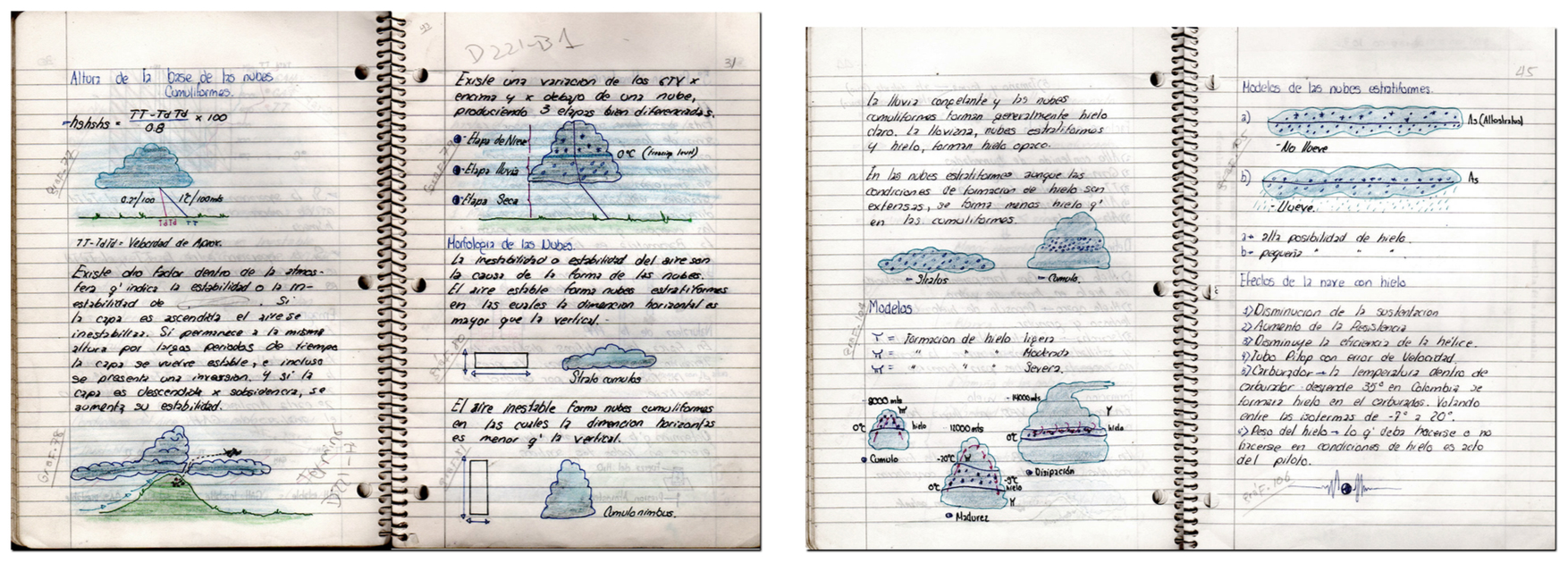
Clouds will always be an object of human fascination. They have inspired poets and painters, and when they fly, they will dream of that child enchanted by their very existence, wishing, for a moment, to rest and rest on their lap in those cotton beds we always imagine!
Si quieres saber más de esta historia, manténgase enterado del futuro.
Si quieres comprar alguna obra y ayudar a construir esta historia, comuníquese conmigo.
Si llego hasta acá, no tiene oficio, o al menos esta historia resulto divertida…