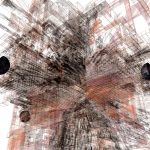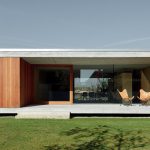


This is my last step in architecture. After my thesis, which was my last architectural project, I was presented with the possibility of building an architectural-graphic space that was a farewell to the physicality of architecture. The pavilion is a virtual space that must represent not only the sign of the image, but must also be conservative in the sense that it is a space that contains images within the screen. The dream became a challenge: how to represent, through the image and not the building, what we inhabit as modern and contemporary beings. The incredible thing about this possibility lies in the fact that, finally, the physicality of architecture—namely, the laws of construction or Newton’s laws—are no longer determinants of constructive reality; rather, finally, the possibility of inhabiting the image ceased to be an architectural fact and became a merely mental possibility. It is impossible for me to forget the fact that, to inhabit the image, we must first be in an architectural space that presents the screen as a de-structuring of physical space. I’ll take care of that later. Now, architecture is simply an experience that distances us from that. Yet it makes us who we are. It’s the opportunity to find out if there really is an answer to my question.
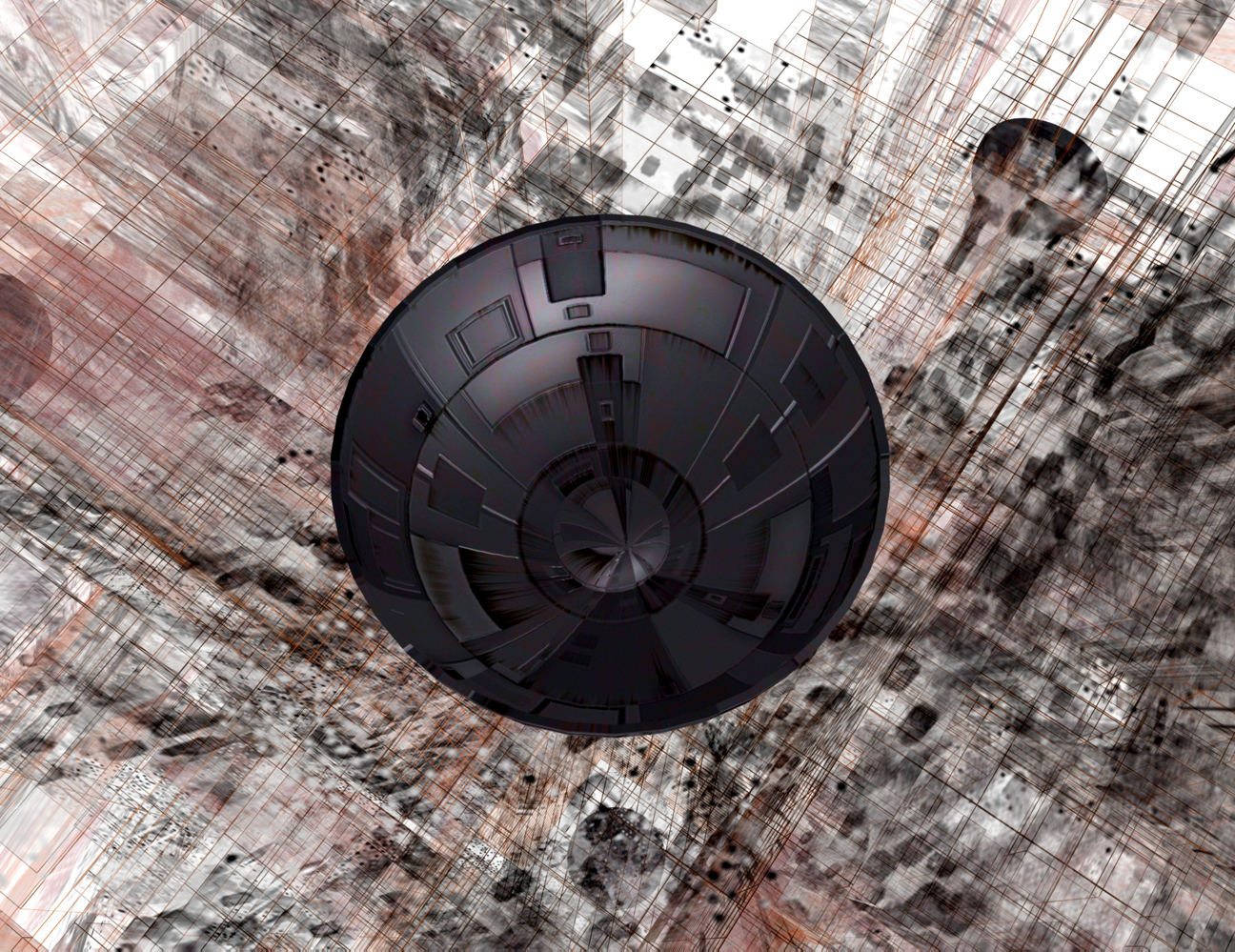
I find myself faced with this new architecture, which I will call virtual. It is not something that repeats tradition; that is, we can finally leave behind the physical possibility of construction determined by variables beyond the intention of the image. There are no longer physical laws, no up and down; space simply does not surround us but determines us. A fluid, almost liquid architecture that is determined not only by physical needs but by our mental capacity to abstract the real world and isolate ourselves in an unrealistically projected world. Design, being an experience without many historical precedents, becomes the very beginning. The same question: How do we inhabit the immaterial world that determines us? This question would be stupid without the precedents. Now it is not the search for understanding but for proposing. Innovating. Finally, I return to the basics of knowing what I am in order to be able to leave something behind. How do I finally confront the proposal of inhabiting that I have always sought? The way is simple. Real space is so different from mental space that I can refer back to Descartes. He created mental space as a sign. The three-dimensionality of mathematical space has always been a non-architectural theme. But it is the theme of representation. Descartes made space a real, mathematical representation of experience. Therefore, I believe that beginning the construction of a mental space must derive from this principle.
Si quieres saber mas de esta historia, continua leyendo aquí.
Si quieres cambiar de tema, pasa al siguiente link.
Si te sientes obnubilado por el tema, pasa al siguiente link.