

This week, Bogotá and Medellín are dressed in art. The two cities are simultaneously organizing their biennials, each with monumental discourses, historic premises, and the promise of transforming Colombia’s cultural landscape. At first glance, this might seem like a triumph: more art in the streets, more visible artists, greater access for the public. But what’s at stake behind these events is something else: art transformed into a political spectacle, in the run-up to an electoral dispute that is already beginning to shape the country’s destiny.
The Bogotá International Biennial of Art and City (BOG25) unfolds with a theme as attractive as it is functional: “happiness.” Under the administration of Carlos Fernando Galán, the city seeks to project itself as modern, global, and competitive. Art is presented as an ally of urban planning and management, an emblem of citizen well-being. Meanwhile, the International Biennial of Art of Antioquia and Medellín (BIAM 2025), led by Federico Gutiérrez, revives the memory of the historic Coltejer biennials. Under the slogan of “freedom,” Medellín and Antioquia position themselves as a regional bastion against central power, deploying a decentralized model that seeks to radiate political power from the local to the national level.
And in parallel, the national government insists on its own cultural narrative: “total peace,” memory, and reconciliation. Thus, three distinct projects—happiness, freedom, and peace—constitute a symbolic triangle in which the arts cease to be an autonomous space and become the banners of competing political projects.
The problem is not that art dialogues with politics. Art has always been political. The problem arises when art is instrumentalized to shape agendas, displace debates, or distract with media spectacles from what should be a critical confrontation of the country’s reality. “Happiness” as a city brand, “freedom” as an opposition slogan, “total peace” as a government promise: all are valid narratives in the political arena, but they cannot supplant the voice of artists, who are the ones who must use art to speak to our complex reality.
What I observe—as an artist and as a cultural manager—is a risk of dangerous dependence: that the art sector submits to the logic of political patronage, that the value of works is measured by their ability to embellish a government project and not by their critical force. That artists, instead of being uncomfortable interlocutors, become the stage set for an electoral narrative.
At the same time, we cannot deny that these biennials bring opportunities: unprecedented resources, international visibility, massive audiences. But if we fail to reclaim autonomy, to demand that biennials be spaces for reflection and not campaign showcases, we run the risk of art being reduced to the role of a backdrop in the theater of power.
I write from an uncomfortable position: as an artist who has experienced exclusion from major events firsthand, but also as an expert in cultural policies who knows the ins and outs of these projects. My concern is not that Bogotá or Medellín hold biennials; it’s that those biennials end up devoid of meaning, more useful for electoral calculations than for the political imagination of the artists themselves.
Art in Colombia deserves to be more than a pre-election spectacle. It deserves to be the place where uncomfortable things are said, where history is interrogated, and where futures are invented that politics alone dares not imagine.
Biennials in Contest: Art as a Stage for Politics in Colombia
When Art Becomes an Electoral Stage
September 2025 will be marked as a milestone in Colombia’s cultural history: for the first time, Bogotá and Medellín will simultaneously host two international art biennials. What could be interpreted as an unprecedented cultural flourishing actually reveals a power struggle. The Bogotá (BOG25) and Medellín (BIAM 2025) biennials have become symbolic battlegrounds for mayors aspiring to the presidency, counterbalancing a national government that also uses culture as a banner for its political project.
Art, with its symbolic and emotional power, is caught in the crossfire of a competition that already transcends the cultural. And the central question is unavoidable: are we witnessing a true democratization of the artistic experience or the use of art as an electoral spectacle?
Bogotá: “Happiness” as a City Brand
The Bogotá International Biennial of Art and City (BOG25), promoted by Mayor Carlos Fernando Galán, is presented as the capital’s most ambitious cultural initiative. With a public budget of over 7 billion pesos and more than 200 artists from 12 countries, the biennial seeks to transform the city into an “open-air museum.”
The curatorial focus, “Essays on Happiness,” is a concept as appealing as it is functional. In official terms, it seeks to question the commodification of happiness and its uses in contemporary society. However, as I have analyzed in my work on cultural instrumentalization, this choice also operates as a narrative shift: while the national government focuses its discourse on memory and peace, Bogotá offers an optimistic and depoliticized narrative that reinforces the image of a technocratic, modern, and global city.
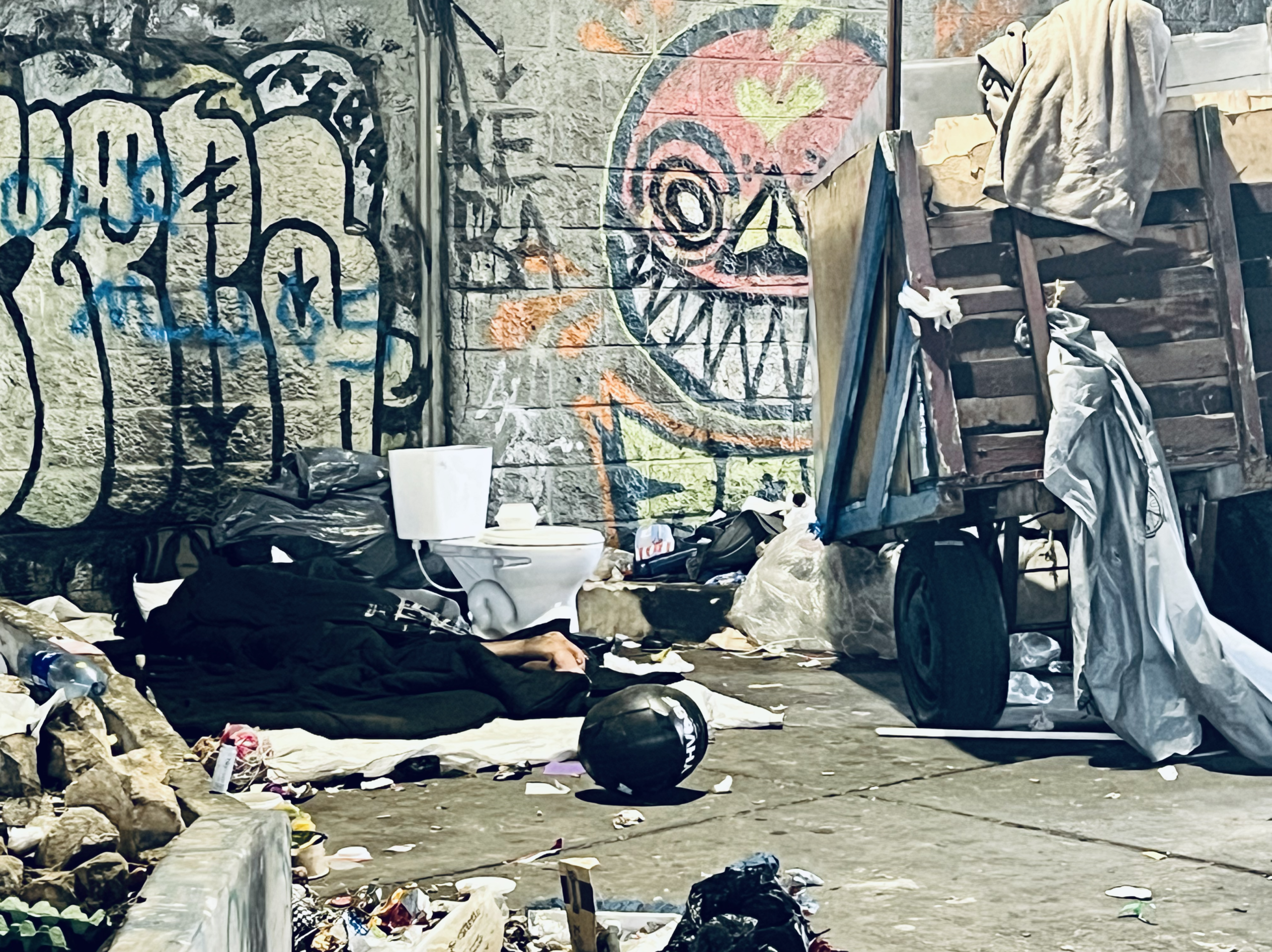
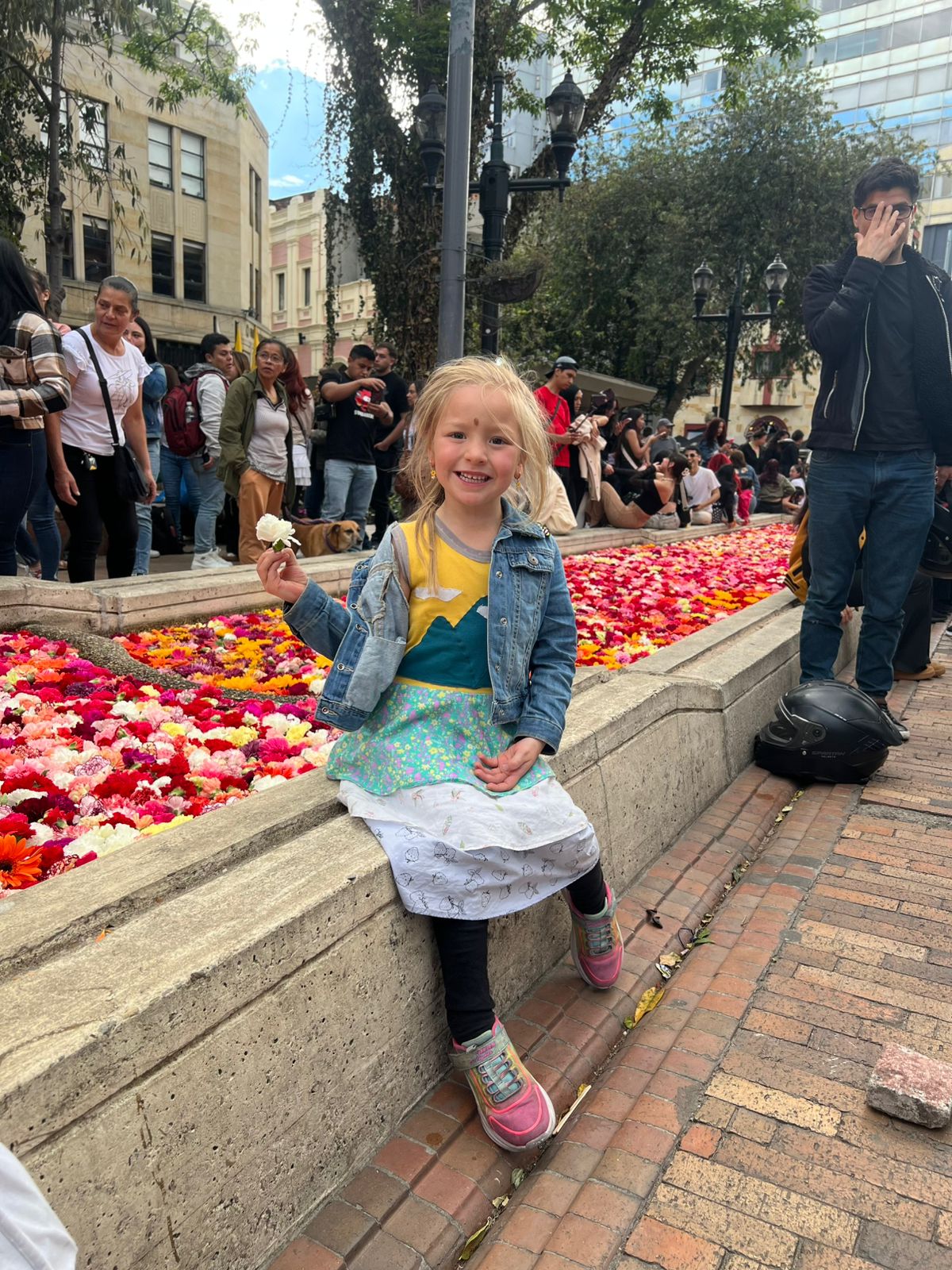
Common House – The Space of Happiness in Bogotá
The elite curatorial team—José Roca, María Wills, Jaime Cerón, and Elkin Rubiano—functions as a “curatorial shield,” shielding the event from criticism and granting intellectual legitimacy. But it is worth asking whether these curators exercise full autonomy or whether their prestige has been instrumentalized to legitimize a predefined political agenda.
Medellín: “Freedom” as a Regionalist Flag
For its part, the International Art Biennial of Antioquia and Medellín (BIAM 2025) revives the legacy of the Coltejer biennials (1968-1972), which at the time placed Medellín on the international map. Federico Gutiérrez, the current mayor, uses this memory as symbolic capital to project a regionalist model that opposes the central government.
With the motto of “freedom,” the BIAM articulates a discourse laden with political connotations: in the current context, the word is a flag of the center-right opposition to the government of Gustavo Petro. Art, here, is presented as a catalyst for social transformation, but at the same time reinforces an ideological narrative of distrust of the central state.
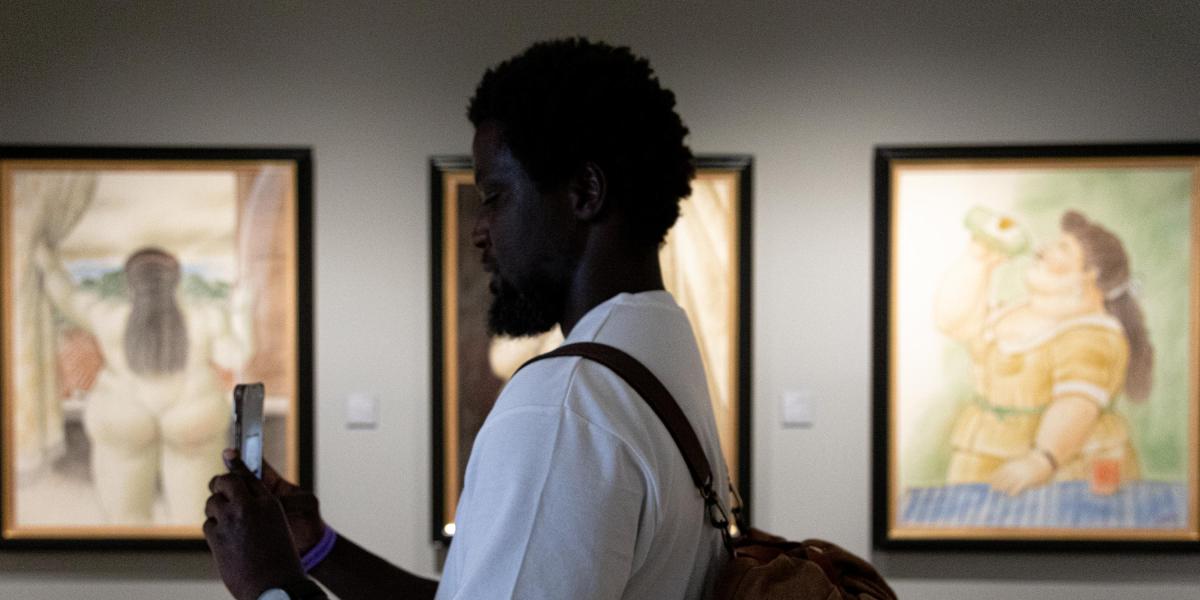
A distinctive feature is its decentralized model: more than 50 municipalities in Antioquia participate in the biennial, from Rionegro to La Ceja. This territorial extension is not only curatorial, but also political: each artistic intervention in a subregion functions as an act of presence of the Gutiérrez project in the daily life of the department.
Nation: “Total Peace” as a Cultural Policy
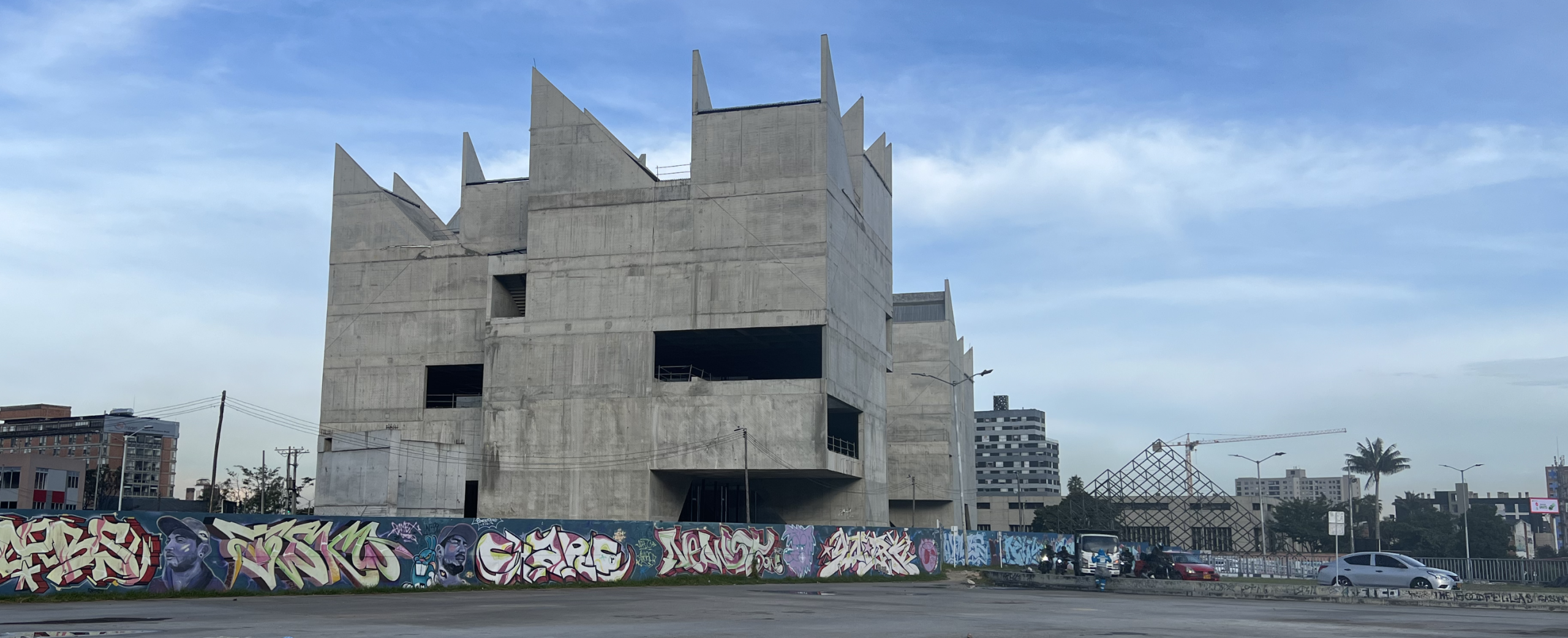
Meanwhile, Gustavo Petro’s government deploys its own cultural narrative. Programs such as “Arts for Peace” and the reactivation of the Museum of Memory are part of a project that uses culture as a tool for reconciliation and peacebuilding.
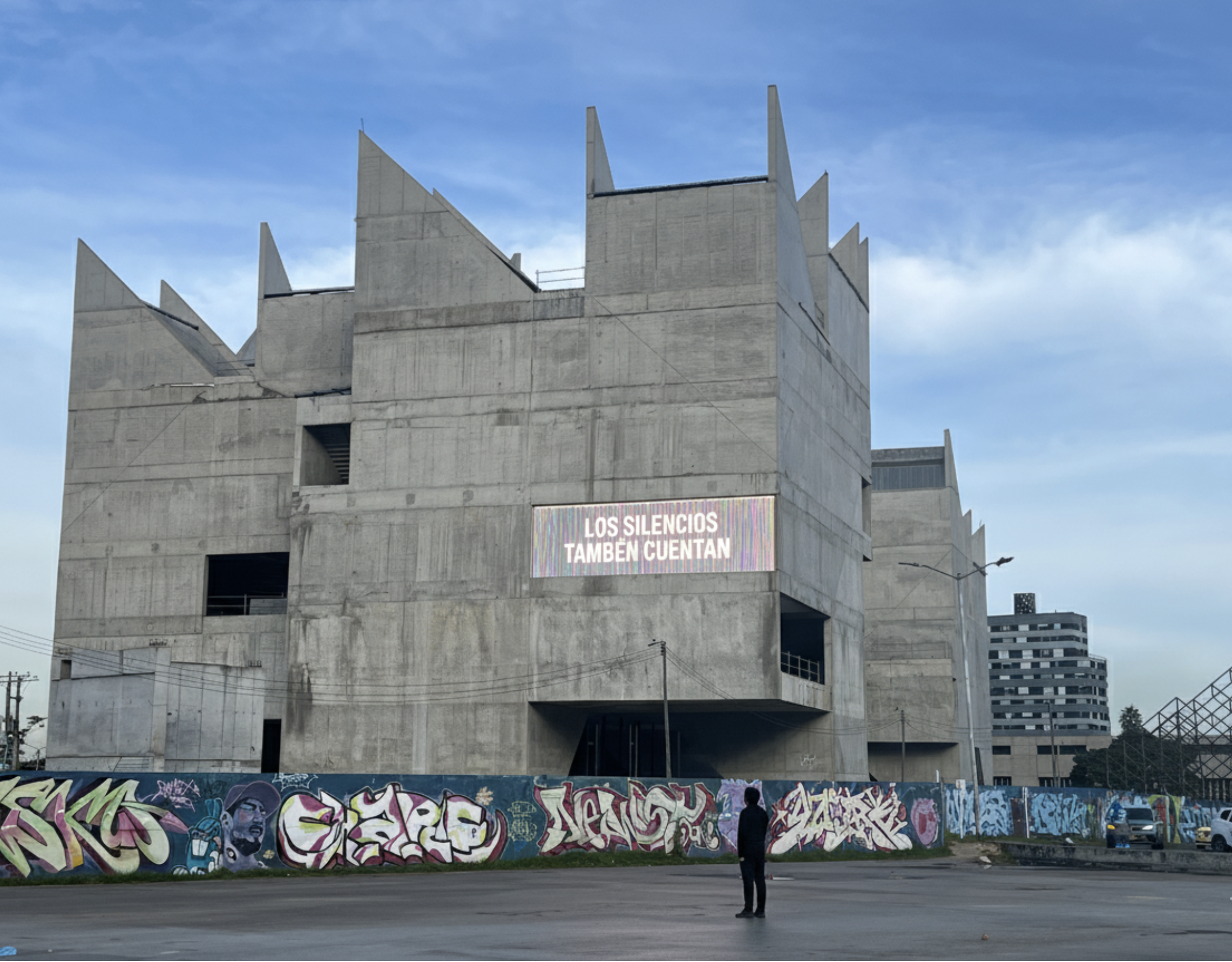
However, these initiatives have been challenged by implementation problems and appointments with little experience in historical memory. The Museum of Memory, whose work is years behind schedule and has been criticized for structural irregularities, has become a symbol of the gap between discourse and institutional capacity.
In this way, the national government is not immune to this instrumentalization: while Bogotá relies on curatorial prestige and Medellín on regional memory, the Nation opts for bureaucratic control to ensure political alignment in its cultural projects.
Historical Context: From the Market to the State
To understand the background of this moment, it is necessary to recall the role of the ARTBO fair, which for almost two decades was the epicenter of art in Bogotá. Its crisis, marked by the departure of María Paz Gaviria in 2025, opened a void that the Mayor’s Office exploited to position BOG25 as a public alternative to the Chamber of Commerce’s commercial model.
This shift confirms a trend I have already noted in my research: culture, previously dominated by the market and private elites, is now contested by the State as a strategic resource. The risk is that art will become trapped in a logic of political patronage, subordinated to the symbolic profitability it can offer during campaigns.
Critical Voices
Some actors in the artistic field have already raised alarms. Curator Halim Badawi warns that authoritarian positions are often camouflaged under innovative discourses to discredit contemporary artistic practice. For years, artist and writer Lucas Ospina has questioned the relationship between institutions, power, and artistic production in Bogotá. Even internal voices like Jaime Cerón, part of the BOG25 curatorial team, have pointed out the complexity of responding to the political context with critical autonomy.
Art or electoral scenery?
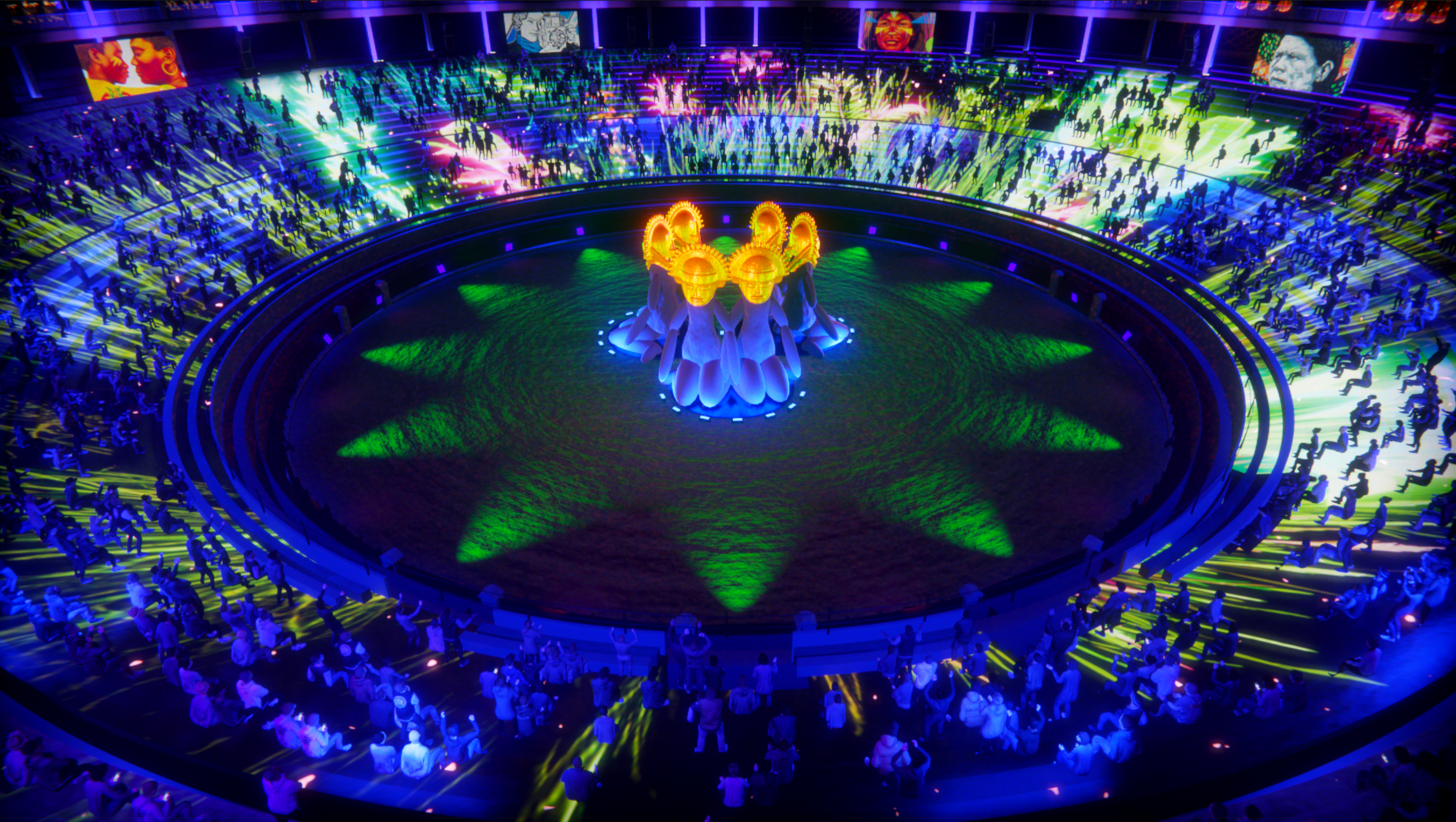
As an artist and cultural manager, I see a paradox in these biennials: on the one hand, they offer unprecedented resources, international visibility, and mass access to contemporary art. On the other, they run the risk of stifling criticism and turning art into a stage set for a political dispute.
Art must engage with politics, yes, but it cannot be reduced to a media spectacle or an electoral backdrop. If the value of works is measured only by their ability to legitimize a candidate or a government project, we will have lost the very essence of art as a space for discomfort, questioning, and the creation of possible worlds.
2025 may be remembered as the year Colombia brought art to an unprecedented level of public visibility. The big question is whether we will also remember it as the year art was captured by politics or as the year we were able to reclaim its autonomy so that it could once again speak, with its own force, to our shared reality.