

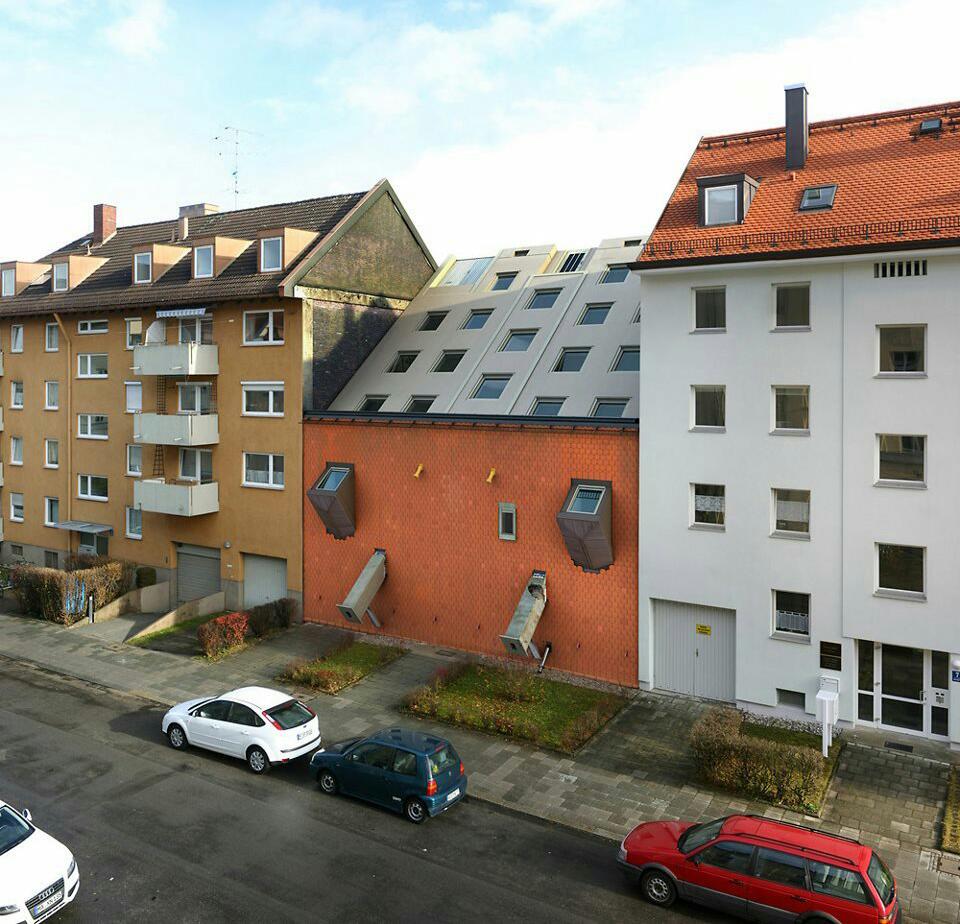
So, when we ask ourselves what it means to inhabit, we are surprised to discover that inhabiting is simply the task of living. Living daily is the essence of life. Inhabiting becomes, in a sense, the action of daily living. This then demands our attention, implies continuous learning, and is a matter of being alert to a drift of alternatives. In this activity, although we rarely notice it, we spend most of our time, and it also requires a deliberate investment of energy. We constantly inhabit, and it is when we understand the act of inhabiting that we are surprised by the naturalness with which we execute the diverse and complex rituals of habitable space. And just like language, skill in its use is acquired through habit. In this way, inhabiting includes a wide range of alternatives within its context.
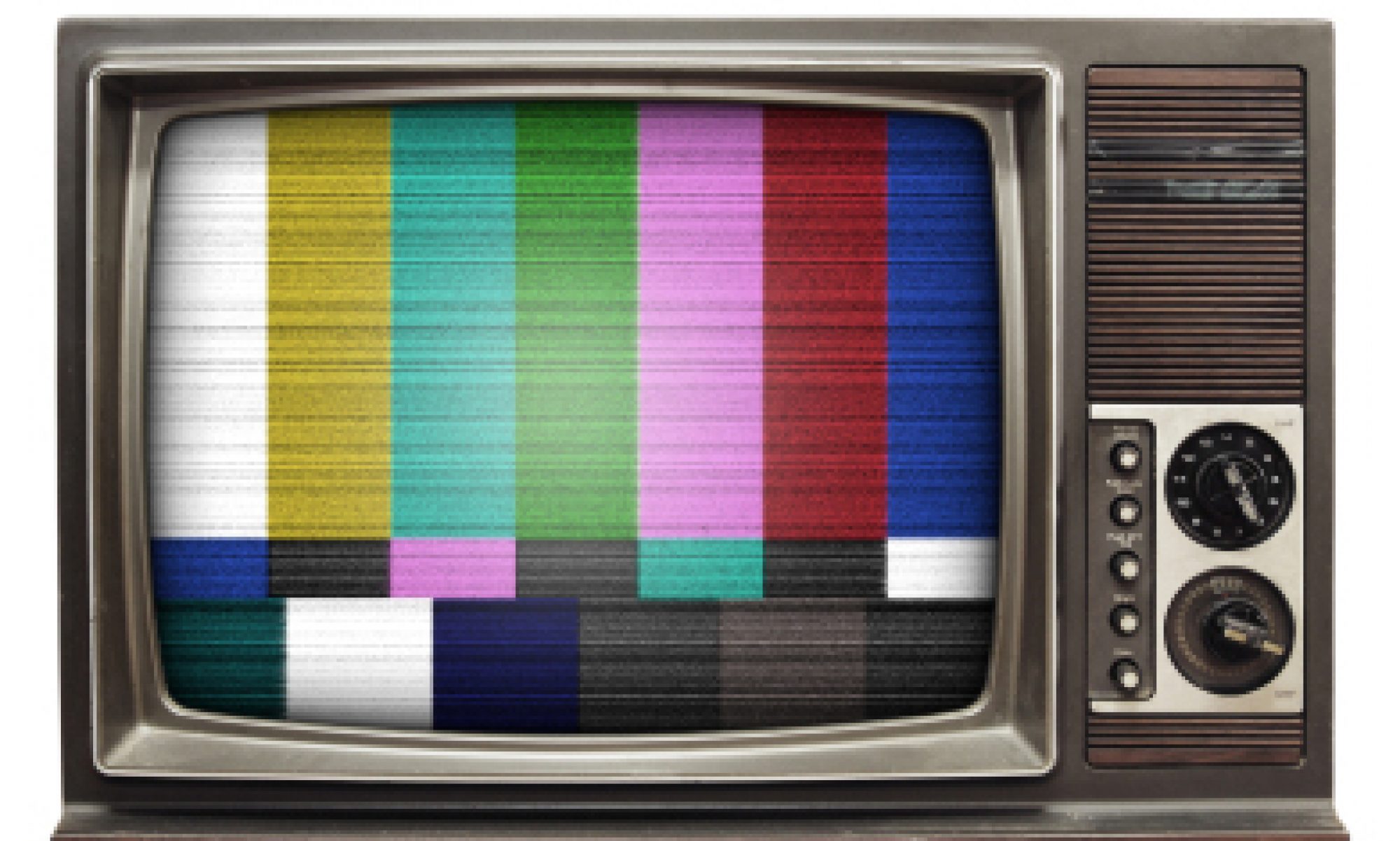
We must constantly ask ourselves this question, thanks to the fact that the atmosphere of sensations constantly changes; and through technological advances, this speed of change has increased significantly. Now, at this moment, asking ourselves what it means to inhabit implies, if not a developed interest in the implications of technical advances for the home and for living, a recognition of this fact as a deconstructionist of traditional meanings of inhabiting. What television signifies, placed before our eyes in its etymological meaning, is the act of seeing through distance. It is the act of breaking down the barriers of distance, time, and space. Television allows us ubiquity. This event cannot remain isolated from the understanding of contemporary architecture. Architecture has its essence in the architectural object, in its spatio-temporal specificity. In the here and now. The theoretical tradition of architecture has been based on this fact throughout history, for architecture is the constructed fact of a system of thought that represents the spirit of the times (Zeiger). Considering the factors mentioned earlier in this article, questioning what it means to inhabit cannot be isolated from the appropriation of contemporary reality that we all make.
Historically, television was first a concept. A concept of incredible proportions. Imagine what we would have thought if our historical moment had been the 18th century and our task had been to build a machine that would have allowed us to be in one place, but that would also have allowed us to see and hear what was happening in another. This idea could only be compared to the omniscient power of God, which implies that the eventual development of this machine entails, in its genesis, incredible power and an increase in the cognitive level of the human species. The possibilities that would be generated by this invention would be endless.
Si quieres saber mas de esta historia, continua leyendo aquí.
Si quieres entender porque la arquitectura dejo de habitar, pasa al siguiente link.
Si quieres saber como se habita la imagen, pasa al siguiente link.