

The architectural debate at the end of this century brings to the table various fields that are not strictly architectural. The architectural project is conditioned by different aspects that go beyond the architect’s architectural approach: planning standards, client desires, and the need for greater economic gain at the expense of the spatial qualities of architecture. Hence the relevance of questioning these new determinants. We must reevaluate architecture’s attitude toward these social, cultural, and economic changes. Understanding the dynamics of the relationships that shape our cities drives a change in architectural discourse. New citizens have changed the way they relate to each other in the city. What previously constituted neighborhood has been radically transformed. Neighborhood ended in proximity. Under the influence of contemporary media, proximity is moving away from distance. Similarly, by modifying concepts such as distance, closeness, and time, the domains of the public and the private are transformed.
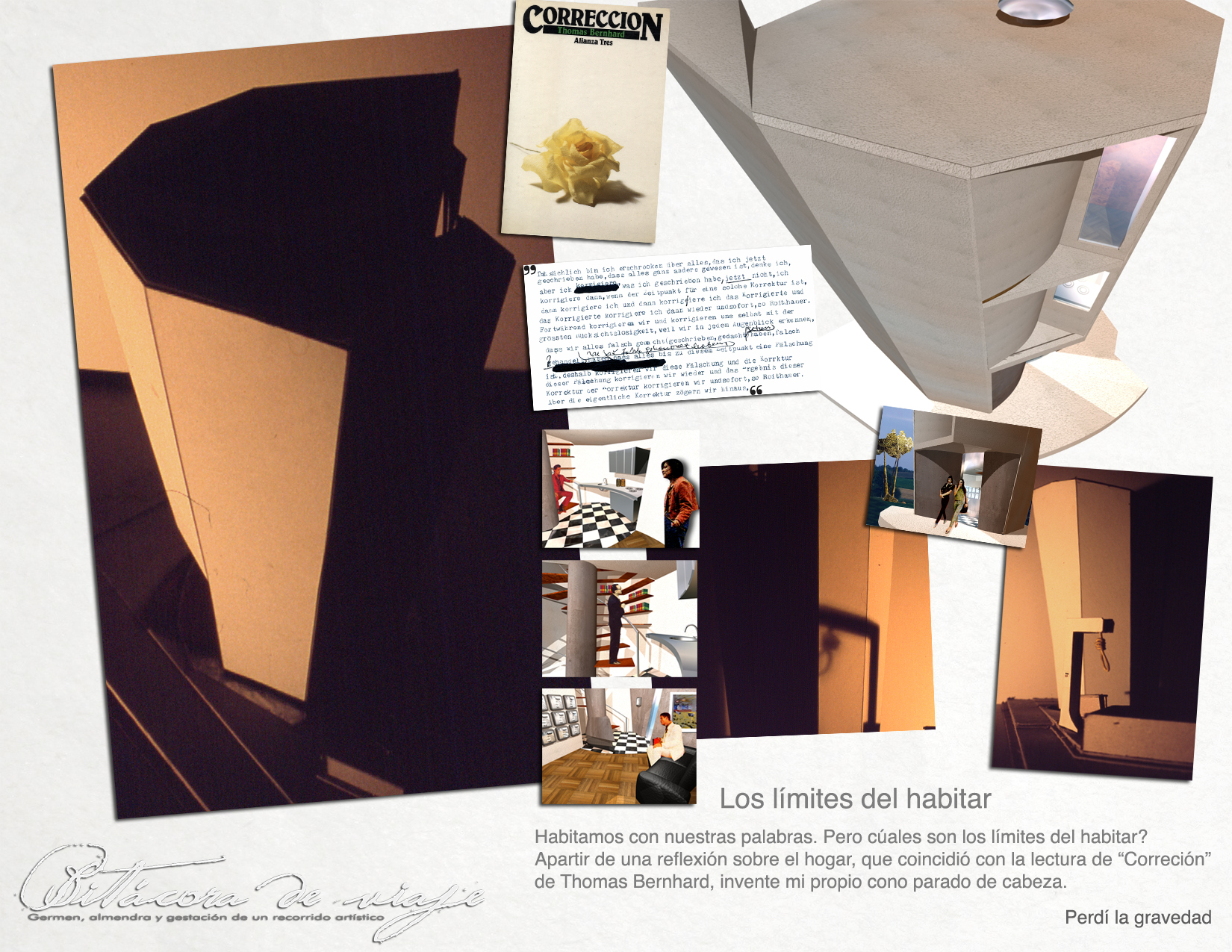
Asking about origins is a way to begin to understand our common conception of a concept or idea, in this case, architecture. The search for origins leads us to find the essential and permanent in things. But to reach the original idea, we must understand what architecture means to our common sense, since this clarifies what we currently understand as an architectural idea. Today’s dwelling is merely functional; that is, we see it as an end, masked by basic needs for shelter, space, and light. Thus, when we consider the origin of all dwelling, we are forced to ask ourselves about the meaning of the world. All dwelling was, is, and will be dwelling in the world. Scientific hypotheses depict primitive man living in caves, having to cope in the struggle for food or against the elements. It is something they find, use, and abandon. But for the repair to be transformed into architecture, it must be a project. What does this project mean? The project allows man to foresee, that is, to situate himself not exactly in the present, but slightly behind, having the intentionality of the action. Man properly finds himself in the distance, by situating himself before the present, that is, by projecting. Only through an experience with the word can we become aware of this distance. The word is the way in which man frequents the world. The word speaks to us of an absence; it tells us our common understanding, as the fact that constitutes a speaking community. Only by understanding distance do we see our dwelling as a distar.
Si quieres saber mas de esta historia, continua leyendo aquí.
Si quieres saber porque la arquitectura se convertiría en imagen, pasa al siguiente link.
Si quieres saber de una forma de arquitectura como imagen, pasa al siguiente link.