


Noos: An Ontological Installation in Architectural Space
Noos is an artistic installation proposal with a double meaning. First, Noos is the common space where we coexist as digital beings. The avatar that represents us in the Noosphere is a formal interpretation of our physical reality. But it is not a mere physical presence that sensors interactively translate. Noos is an autonomous system of algorithms that uses the physiognomic data of the viewer’s face to transform it under a system of rules that translate the photographic image of the person into an auric representation of the person looking at them, first through their reading of their facial physiognomy; but also through the big data of their digital fingerprints to profile their use of technology, their presence on social media, and the representation of their browsing habits, which are part of the data mining that browsers use to understand your consumption habits.
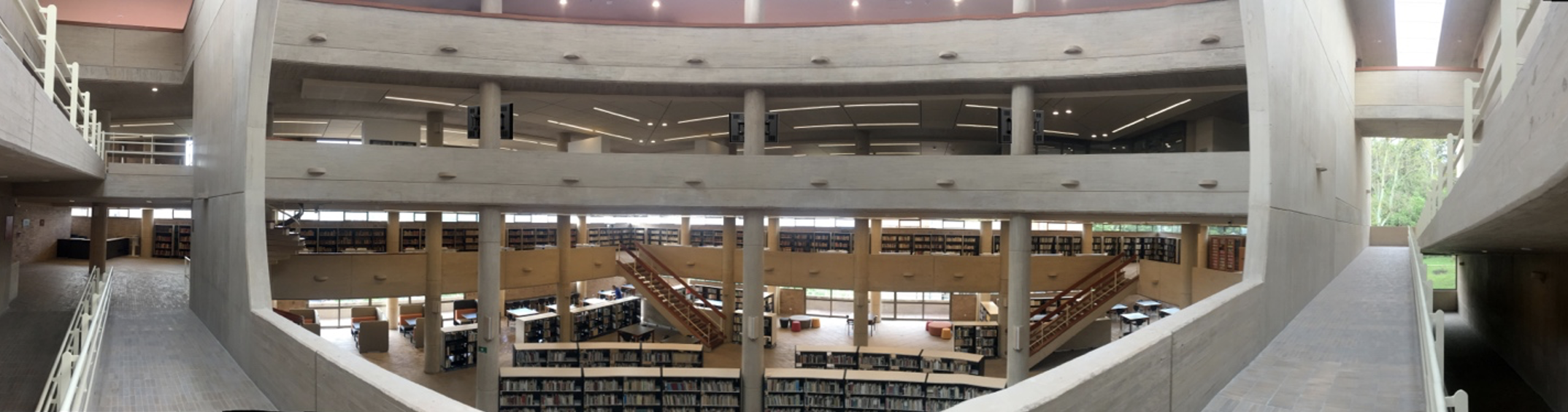
In the artistic approach, the camera, located at three strategic points in the physical space of the Rogelio Salmona Cultural Center, obtains the viewer’s permission to use their image and connect with their digital identity to create a database that discerns their individual physiognomy. However, through access to the data of an application that must be used to access, view and participate in the work, it learns about your social and consumer environment.
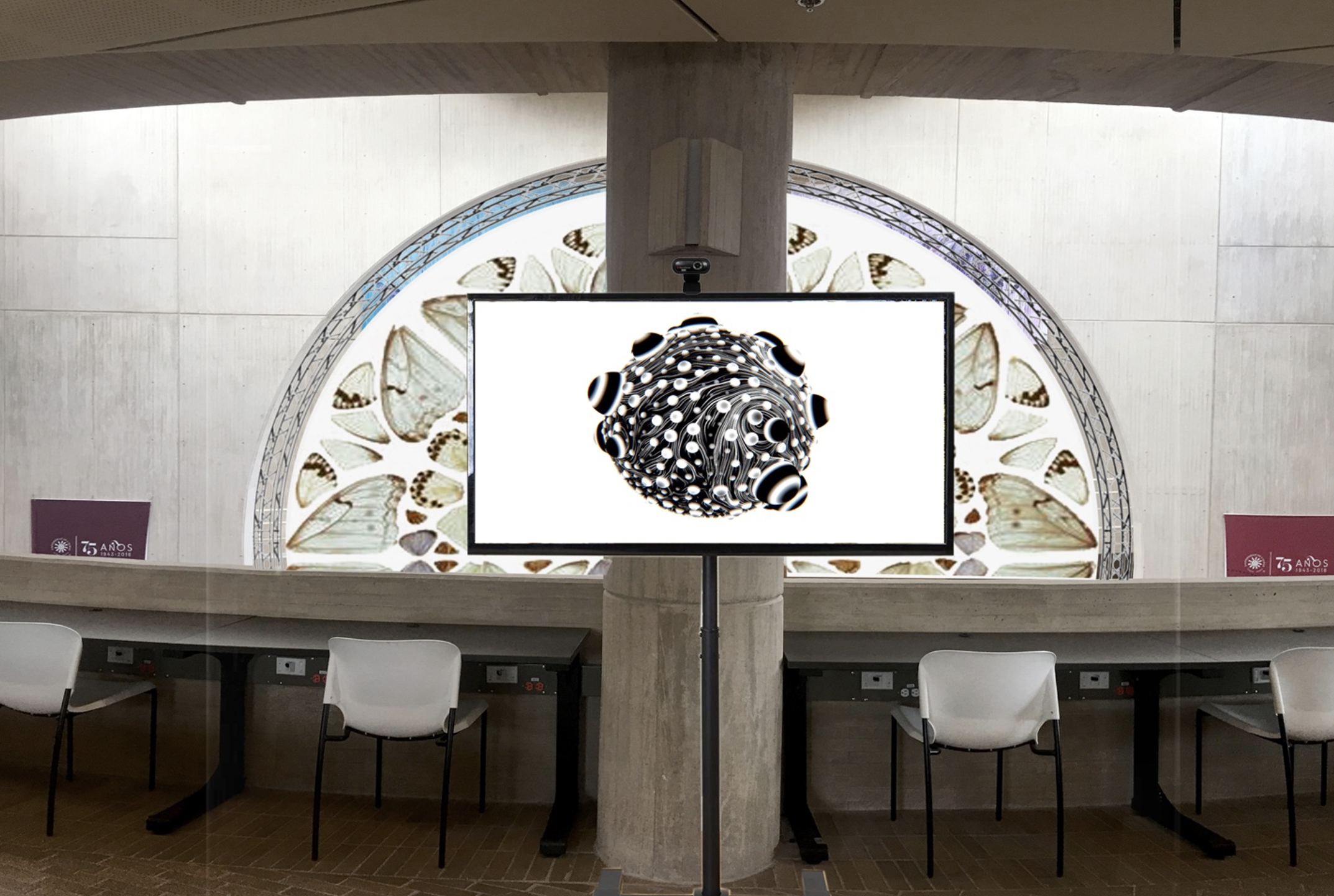
In front of the screen, a camera recognizes the viewer’s physical features, which the viewer agrees to access when they install an app on their mobile device. This gives them access to the algorithms used by browsers to profile consumer habits. In this sense, the face and social trace are data that the machine accesses and interprets into a representation of the aura, which is clearly curated by the programming code and the artist’s aesthetic code. With access to this reading, the machine recognizes the viewer’s physiological qualities, racially profiles them, and further interpolates them with the data their browsing habits offer in the database it selects from a series of stereotypes about personalities, habits, and presence in the digital world. It translates this into a logarithmic representation of the interpretive avatar that the machine assigns based on their cognitive abilities.
Ultimately, this is not a proposal to get to know the user, but to profile them as the security systems that observe us do. The only difference is that the objective is not a profile of a person of interest; rather, it is a machine interpretation of the aura it reads, based on big data.
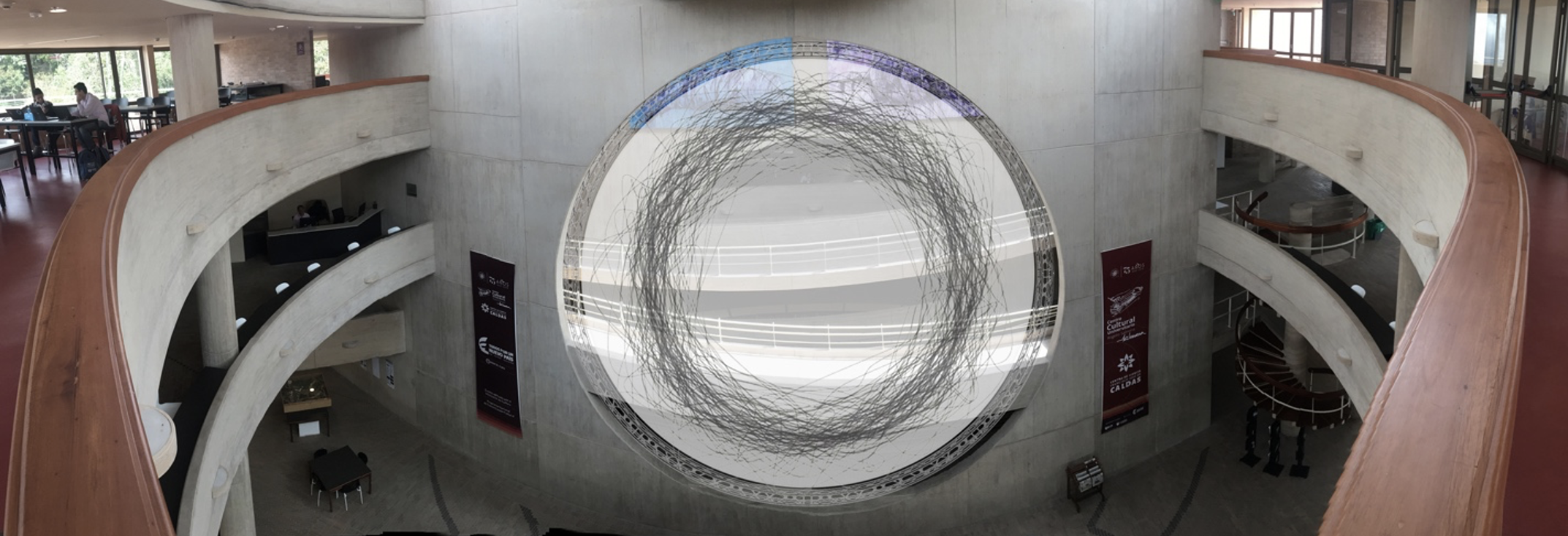
The personal encounter with the image and the representative translation it generates is an expression of the personal aura. But the most interesting aspect is not looking into the mirror of an avatar mediated by the machine and the programmer’s guidelines, but rather the individual’s representation mutating on a large screen, which scans the common and different aspects of each person to produce a cultural avatar based on the information that unites or separates individuals, and constructs an image similar to the common, or different, aspect of the participants.
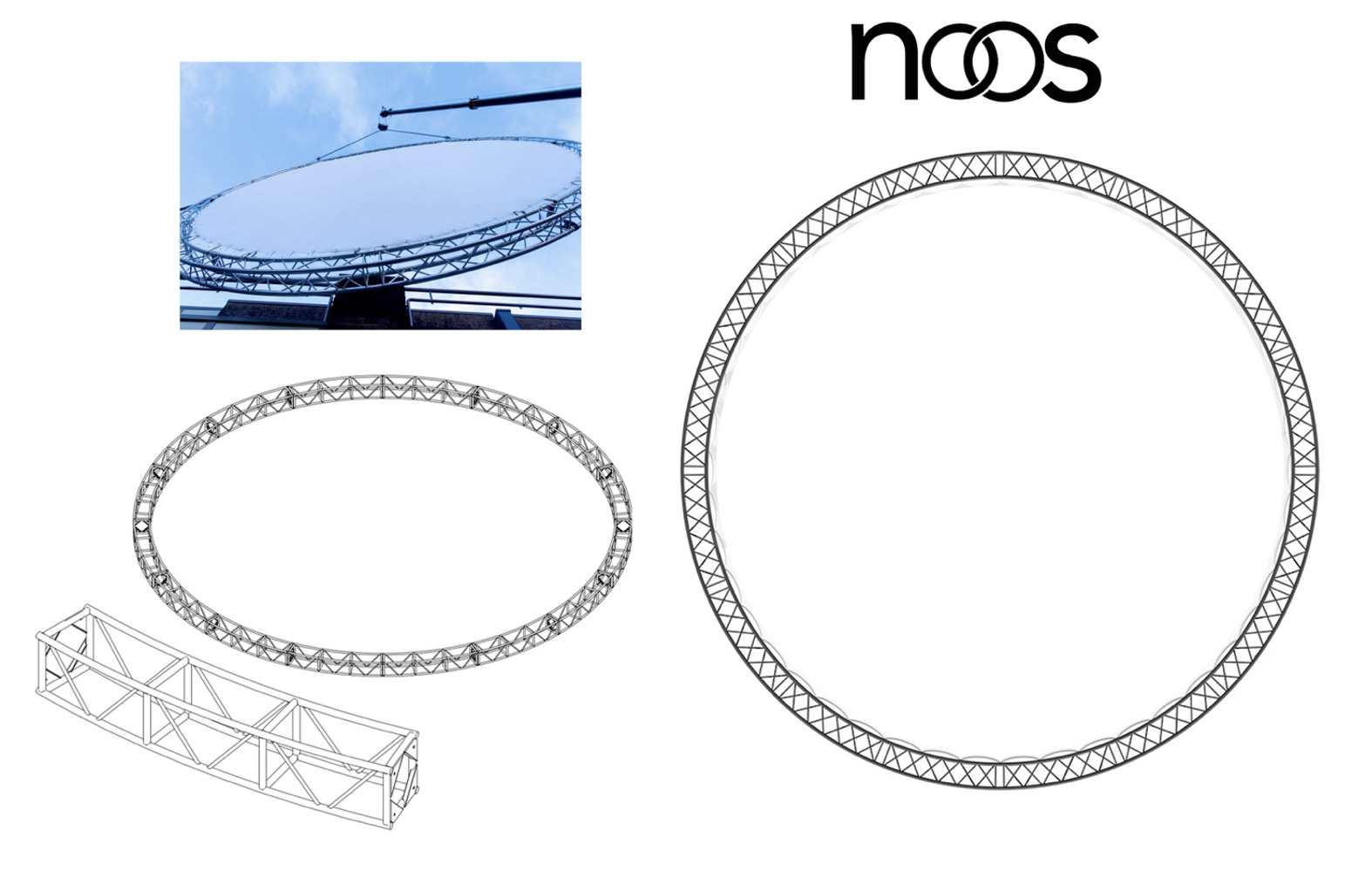
The installation consists of three mirror screens that, through a camera, read the viewer’s physiognomy and catalog or profile them using an algorithm similar to that of security systems. The three points are avataric mirrors of the viewers who interact with their own representation, but the universal screen installed in the building’s Oculus: the Noos, interpolates the common and different aspects of the individual to generate a cultural stereotype of the viewers in a representation based on the combination of individual avatars.
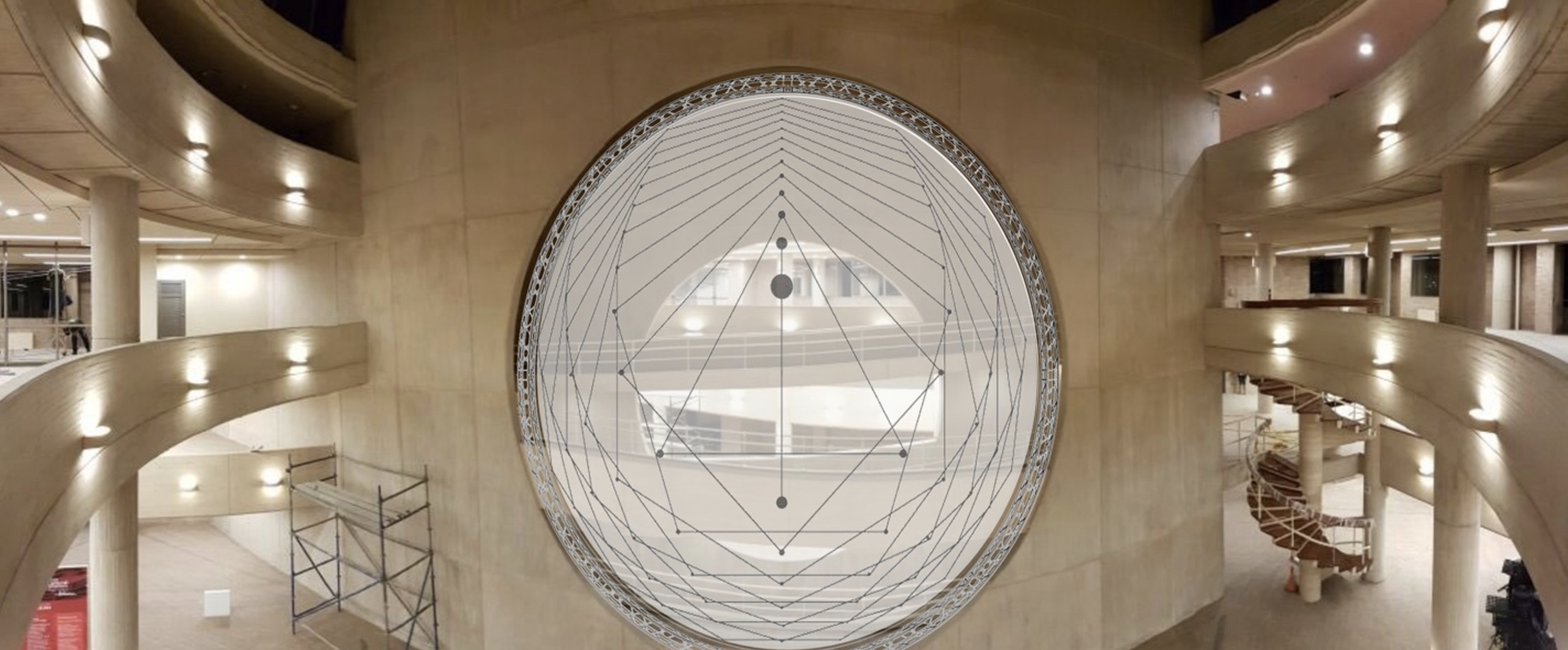
Los aspectos técnicos, y los códigos que definen los perfiles aura ticos del espectador, están basados en reconocimiento facial y análisis de hábitos del big data. Lo interesante es que el face recognition, es una tecnología que surge para perfilar racialmente a potenciales sospechosos de disidencias o células terroristas; pero en la obra se transforman en una prueba de quienes somos y como nos encontramos en la diferencia. La maquina aún carece de un aprendizaje contextual, de una valoración perceptiva del otro y traduce como las pruebas de ADN, que uno somos todos y que lo que nos separa nos une. Noos es un sistema de representación avatarico que indaga sobre la manera en que nos vemos, en como vemos al otro y como somos leídos por las maquinas para ser perfilado por nuestros estereotipos culturales.
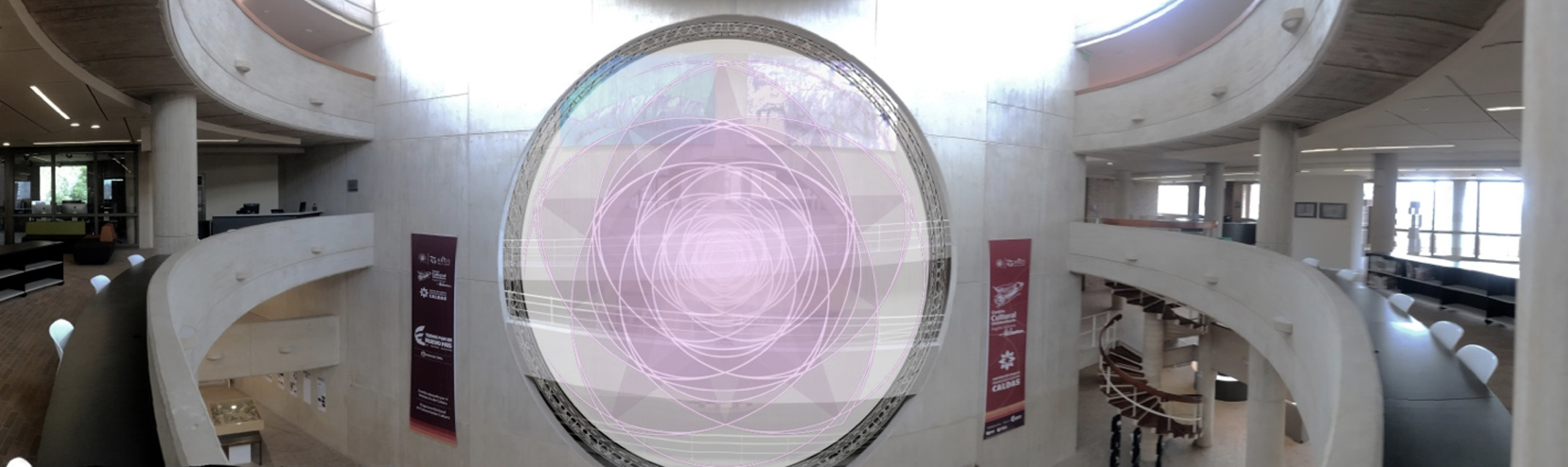
The technical aspects and the codes that define the viewer’s aura profiles are based on facial recognition and big data habit analysis. Interestingly, face recognition is a technology that emerged to racially profile potential suspects of dissidents or terrorist cells; however, in the work, it becomes a test of who we are and how we find ourselves in our differences. The machine still lacks contextual learning, a perceptual assessment of the other, and translates, like DNA tests, that we are all one and that what separates us unites us. Noos is an avataric representation system that explores how we see ourselves, how we see others, and how we are interpreted by machines, profiling us according to our cultural stereotypes.
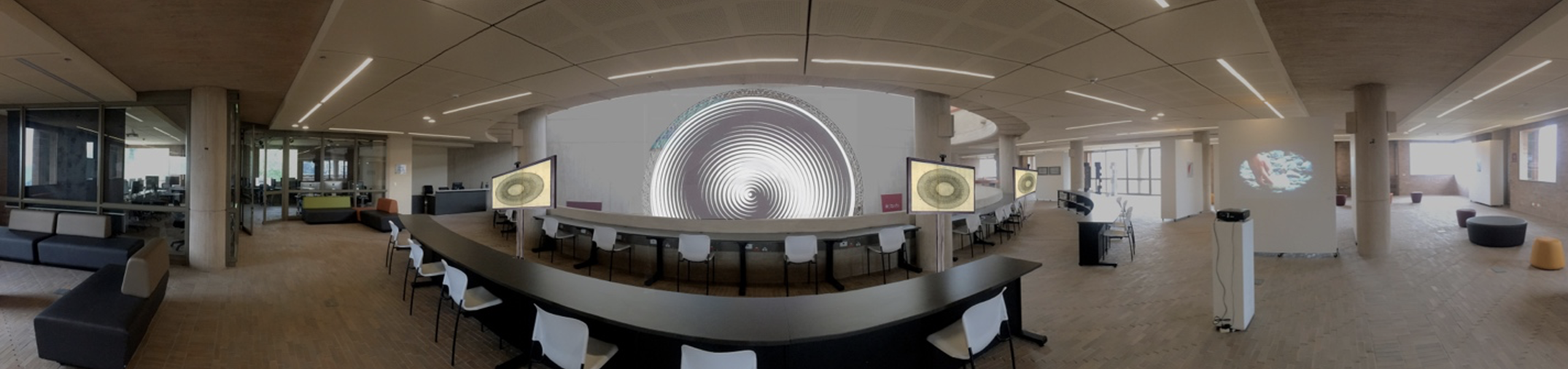
Installation Proposal
The first thing I must address is the creation of a code that functions as an app, which, from the viewer’s personal device, gives me access to their personal information and habits. This app is the key to playing. The app opens the possibility of participating in the work. By accepting the game’s terms, a user’s selfie provides the first input into the facial analysis. Snapchat does this, and the proposal is to allow oneself to be seen by the machine. The code becomes a political act of categorization and segregation, which has no intention of racial profiling, but rather transforms physiognomic data into a representation of the aura. The goal is not racial profiling; it is simply to find what we all have in common: human beings, and translate it into a representation of who we are outside of the representation.
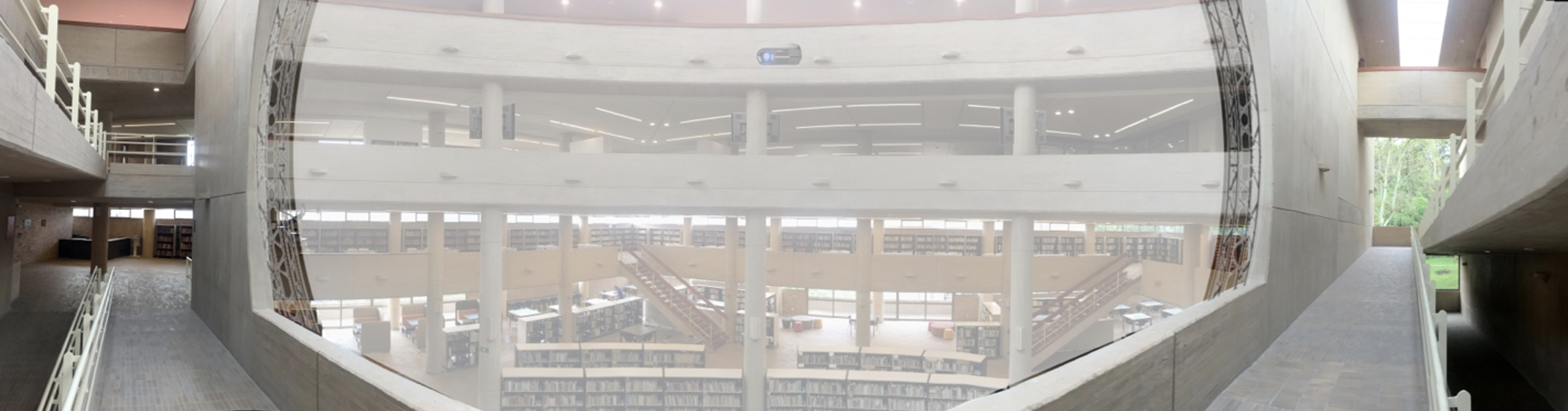
There are three data collection points, consisting of a camera and a Smart TV, which are the inputs for the viewer’s physical features. By measuring faces, analyzing symmetry, and skin tones, the data is transmitted to the computer system that processes the data and, upon interpretation, generates the values to produce the avatar.