

The electoral board disguised as a biennial
The palace (art for the aristocracy)





Bogotá: Happiness as a Placebo
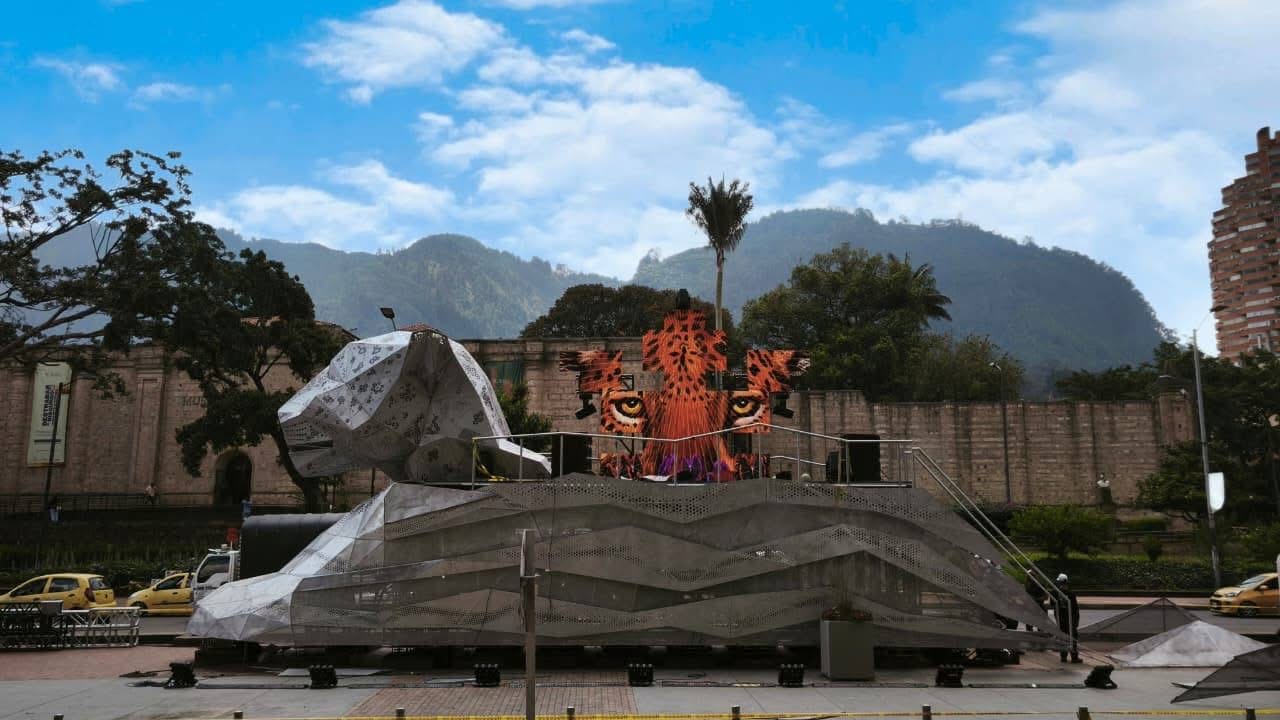
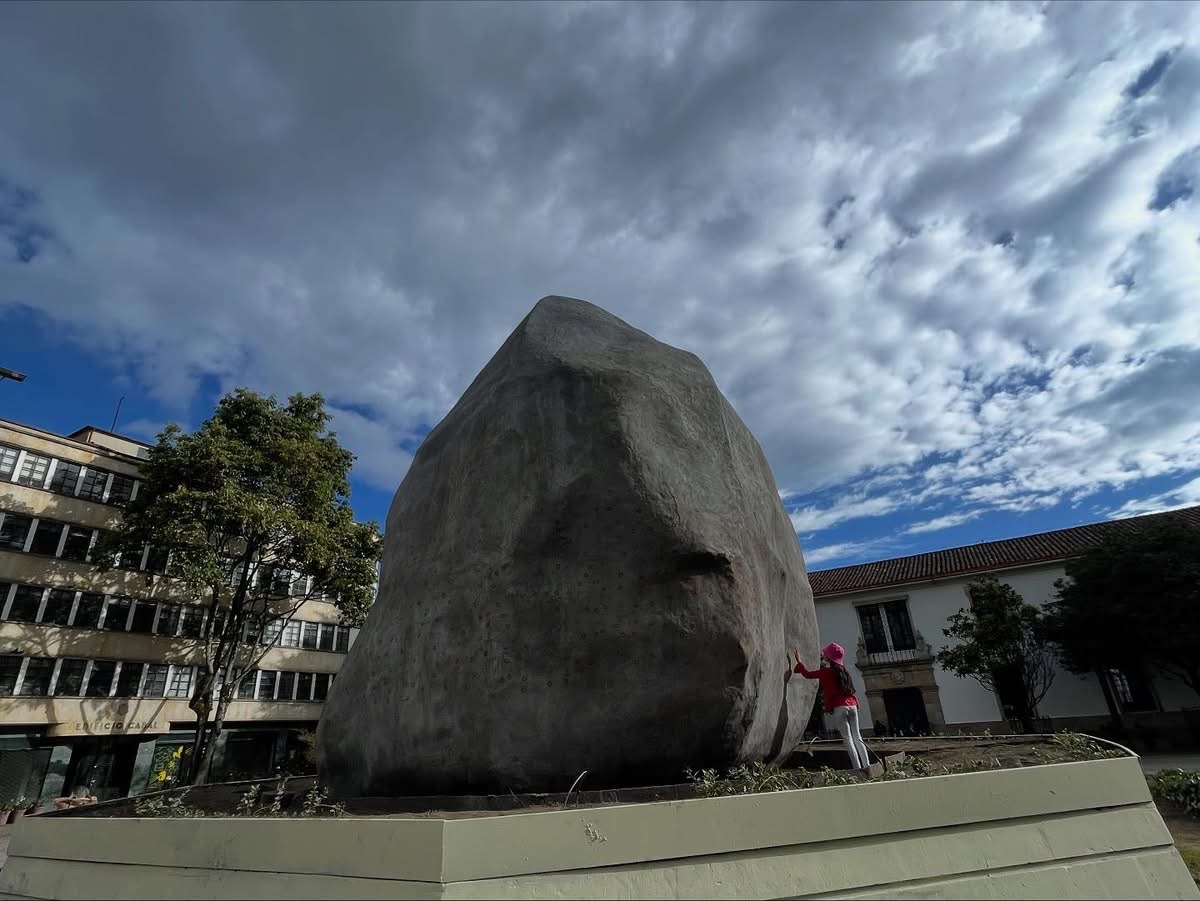
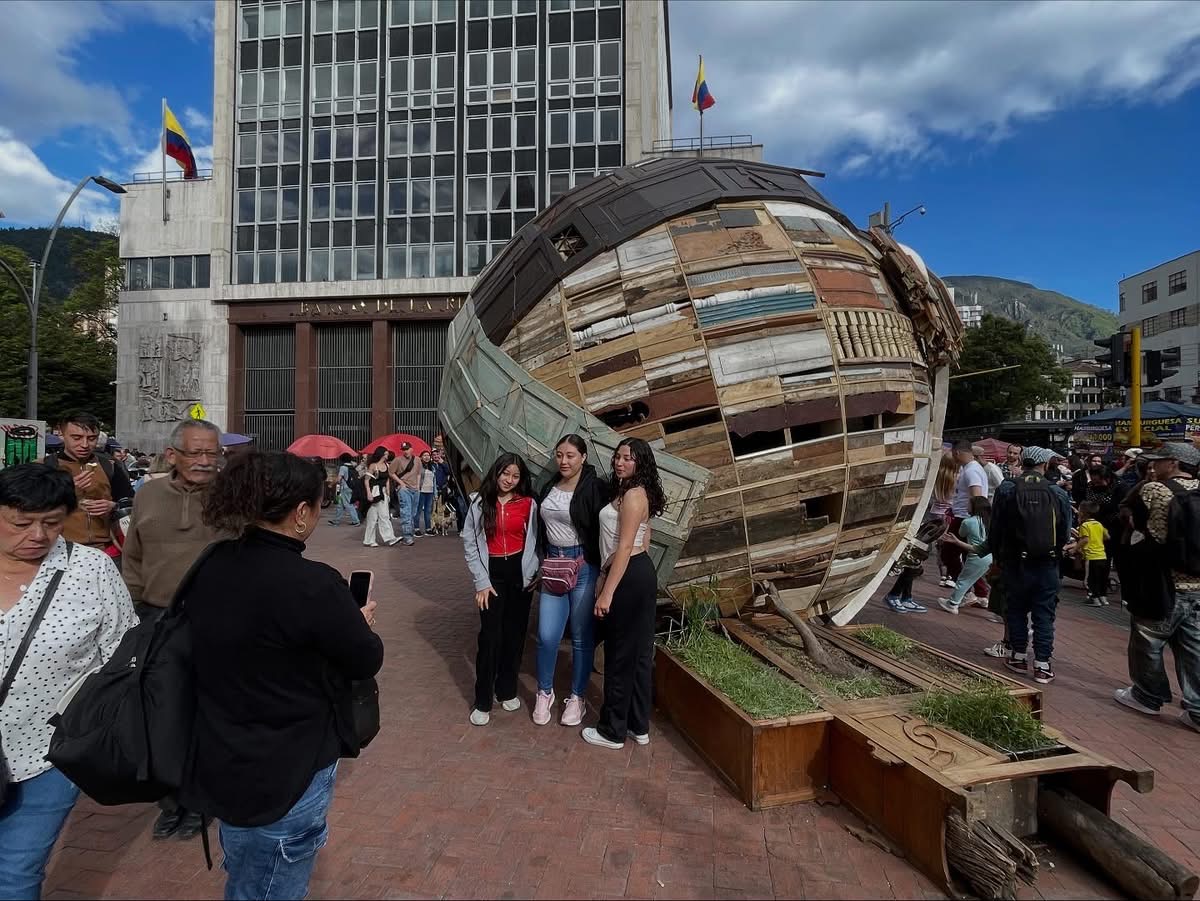
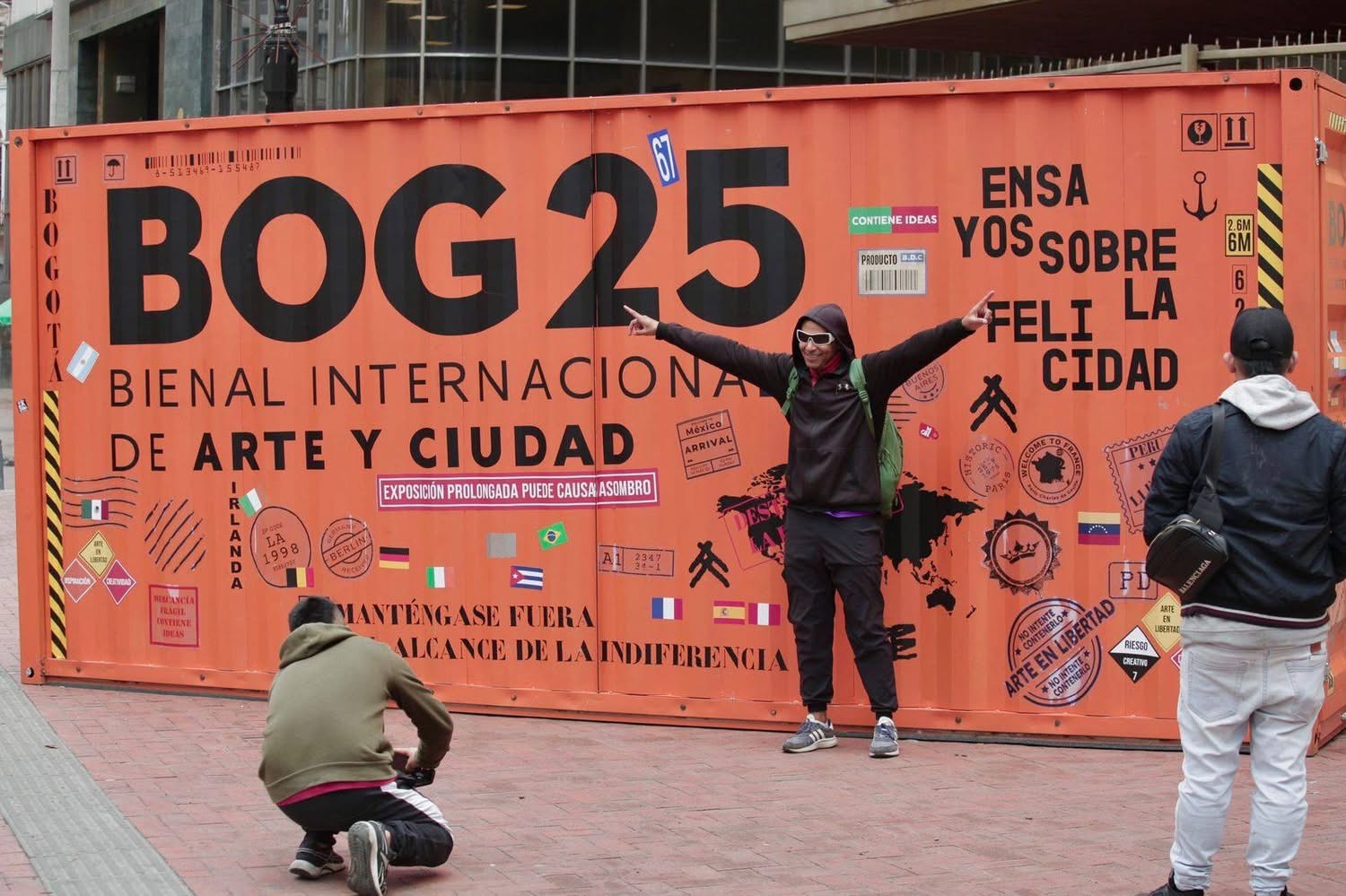
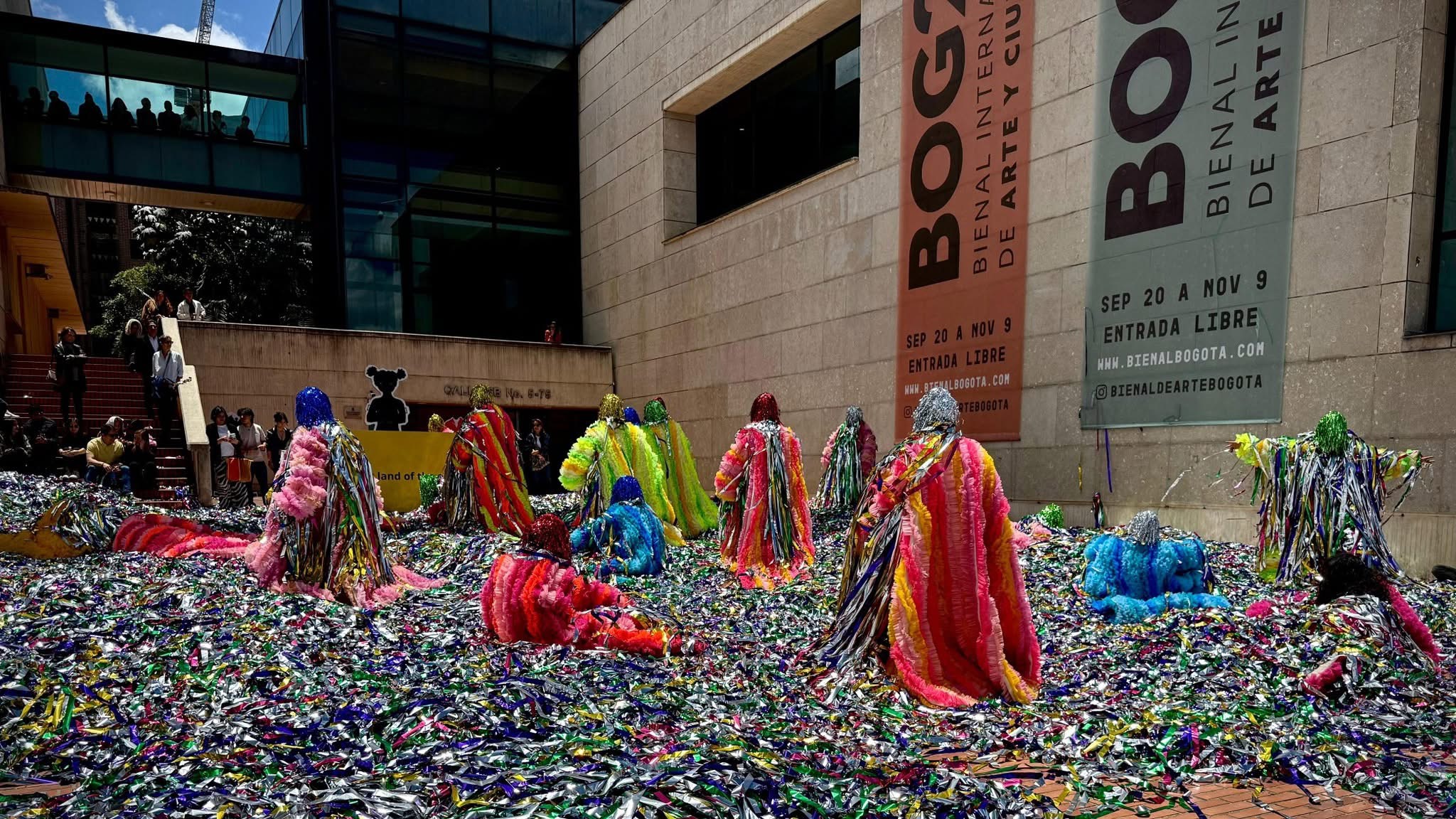
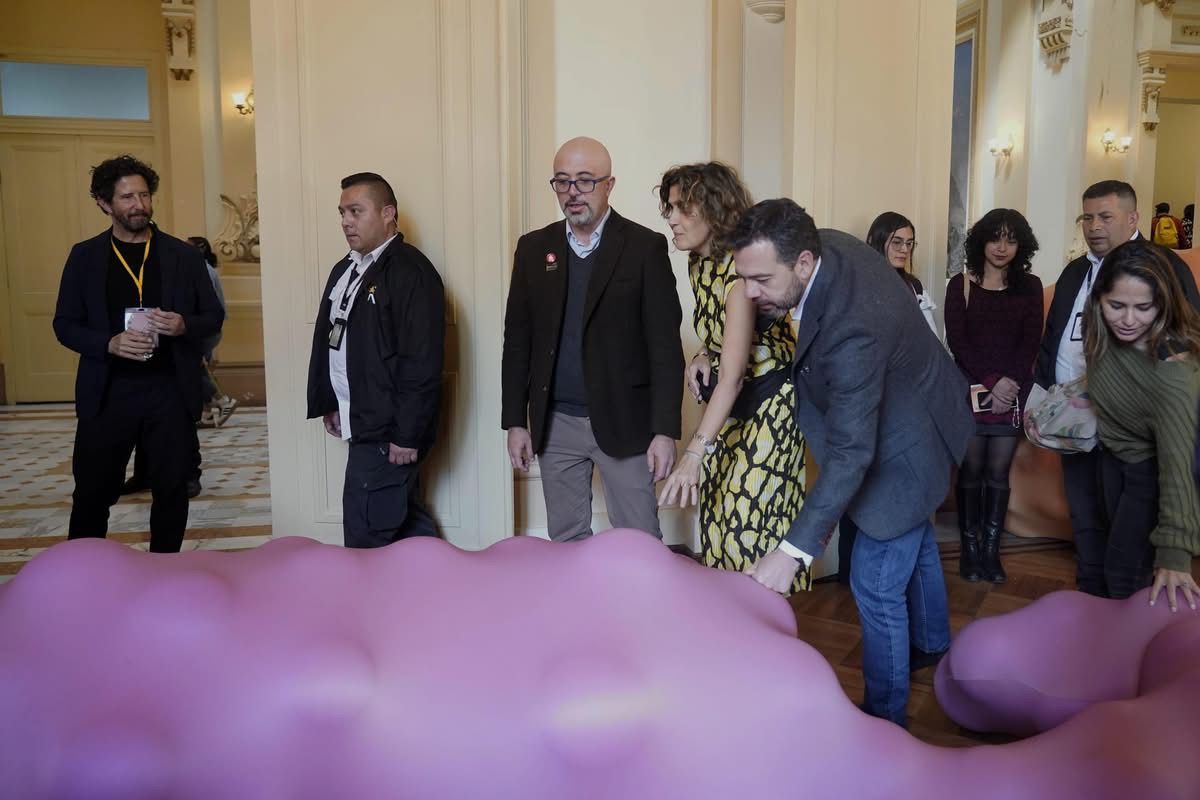
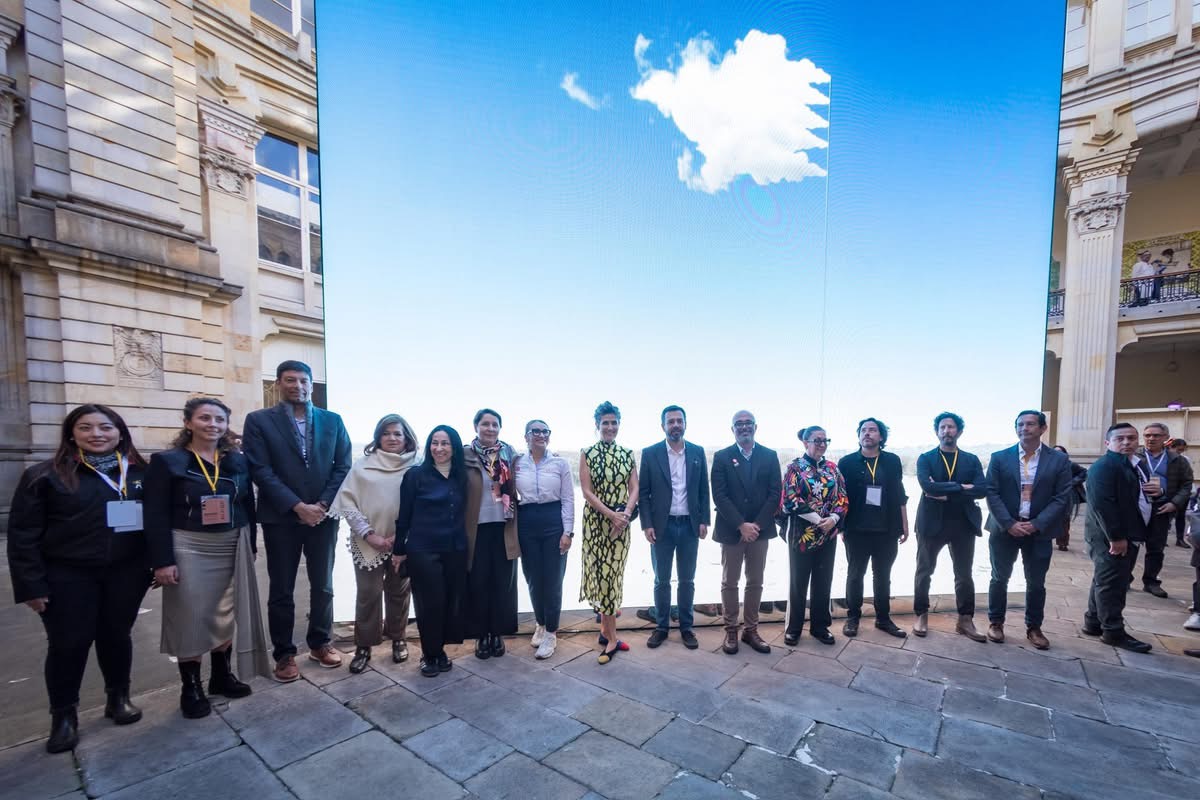
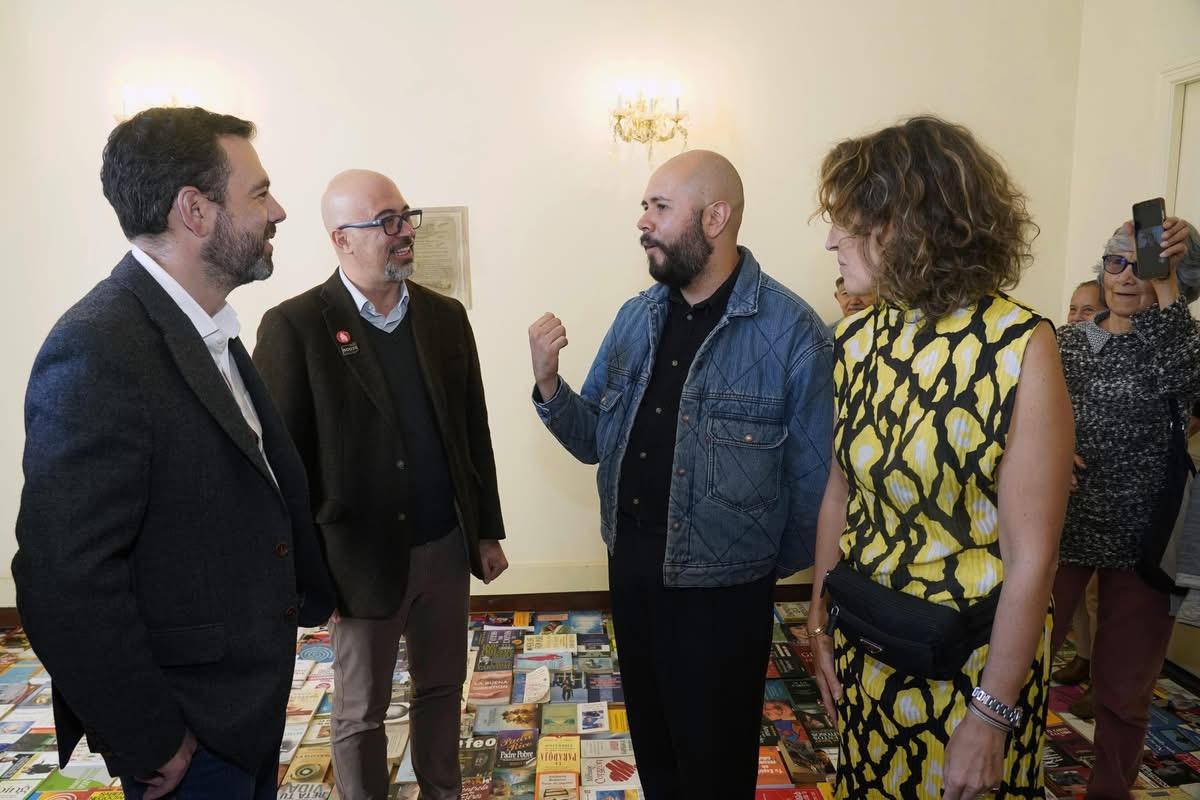
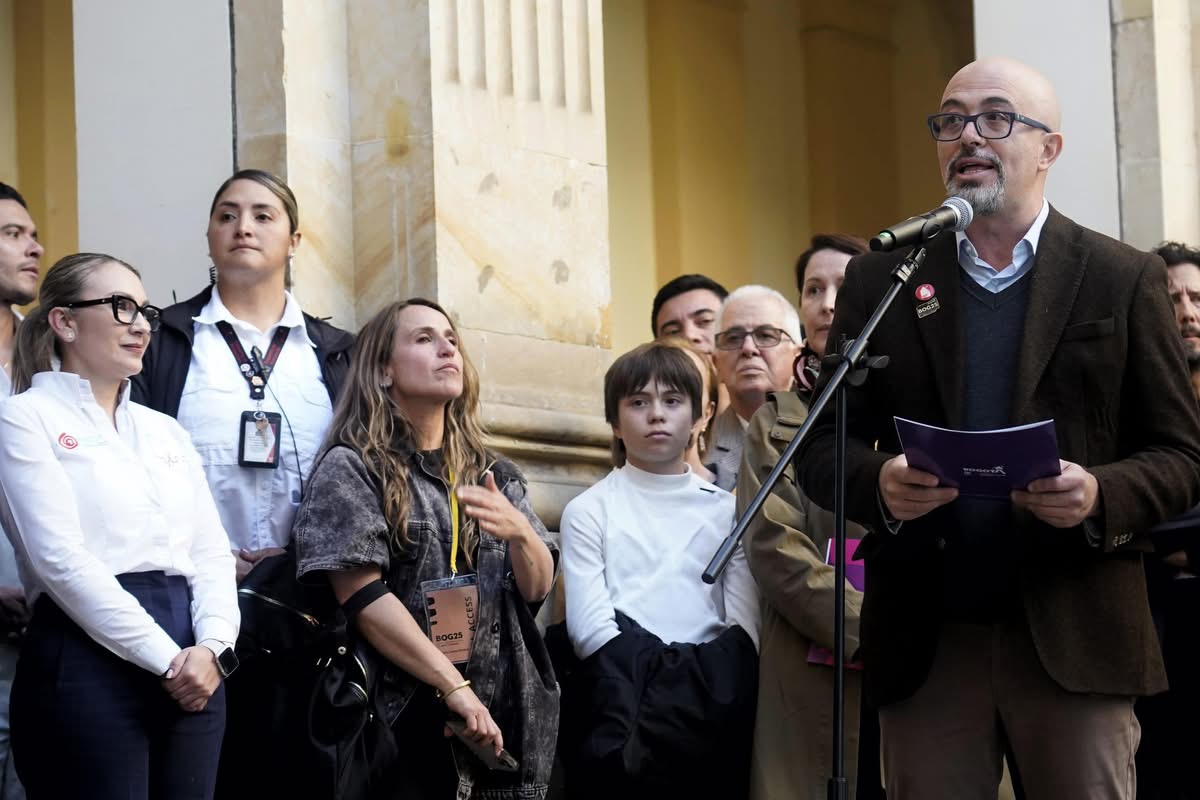
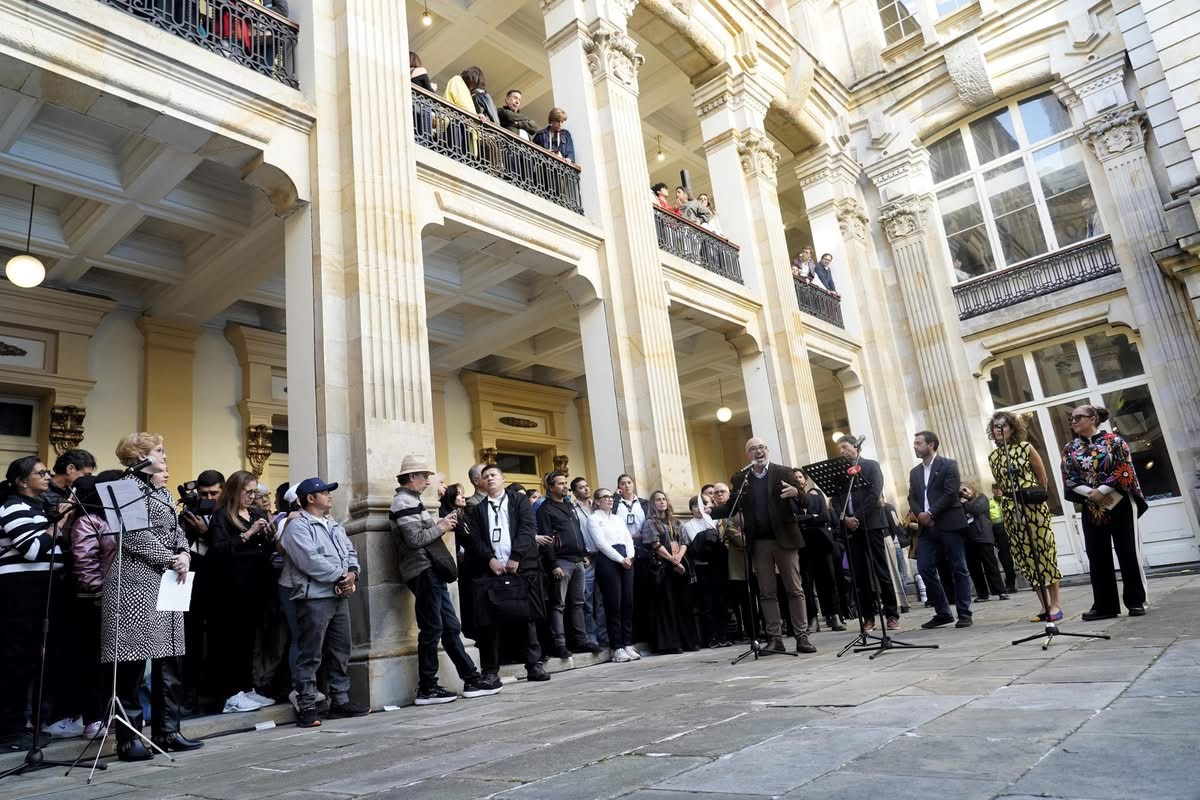
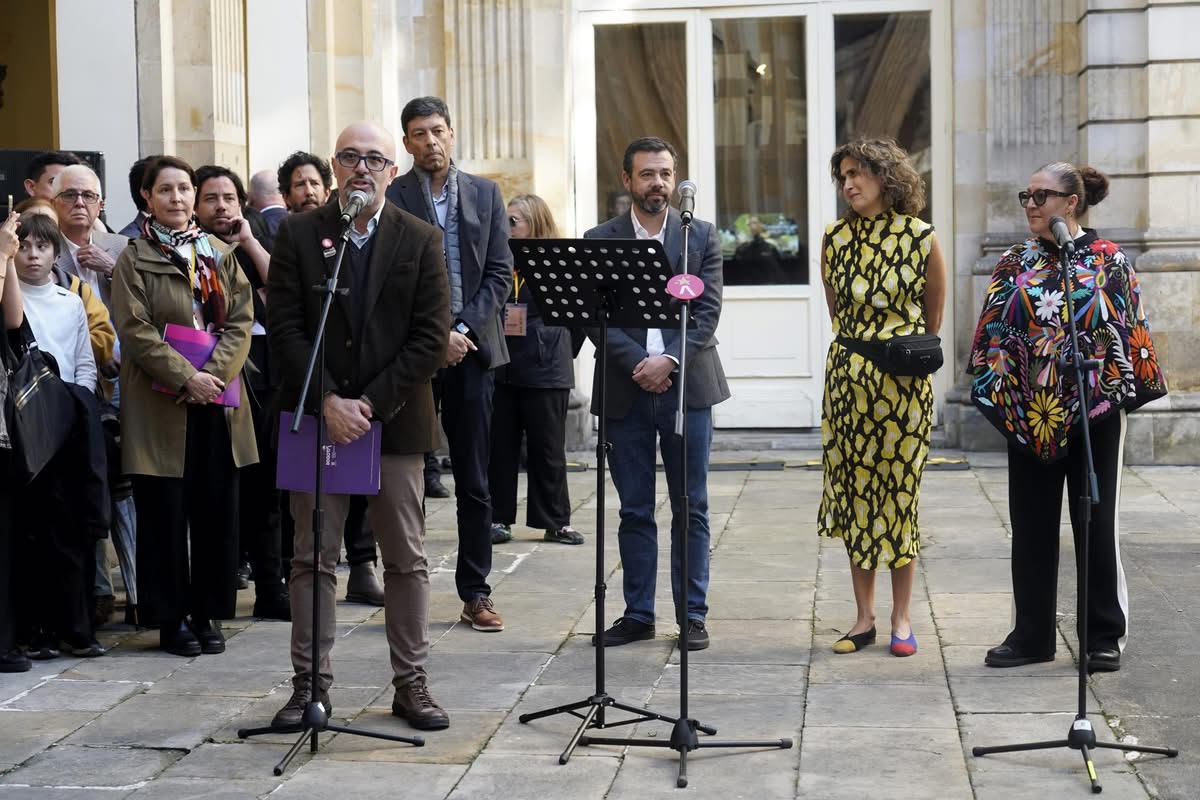
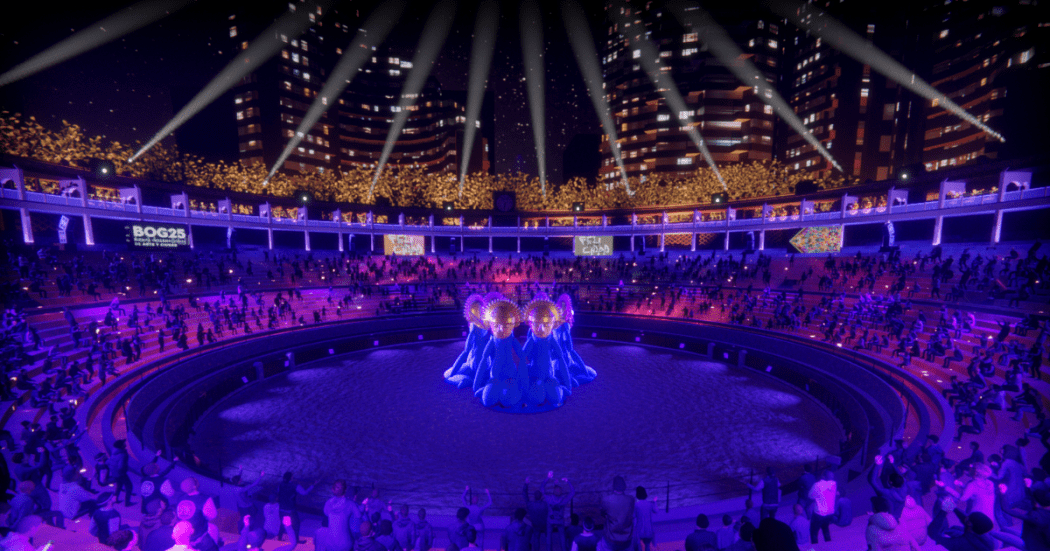
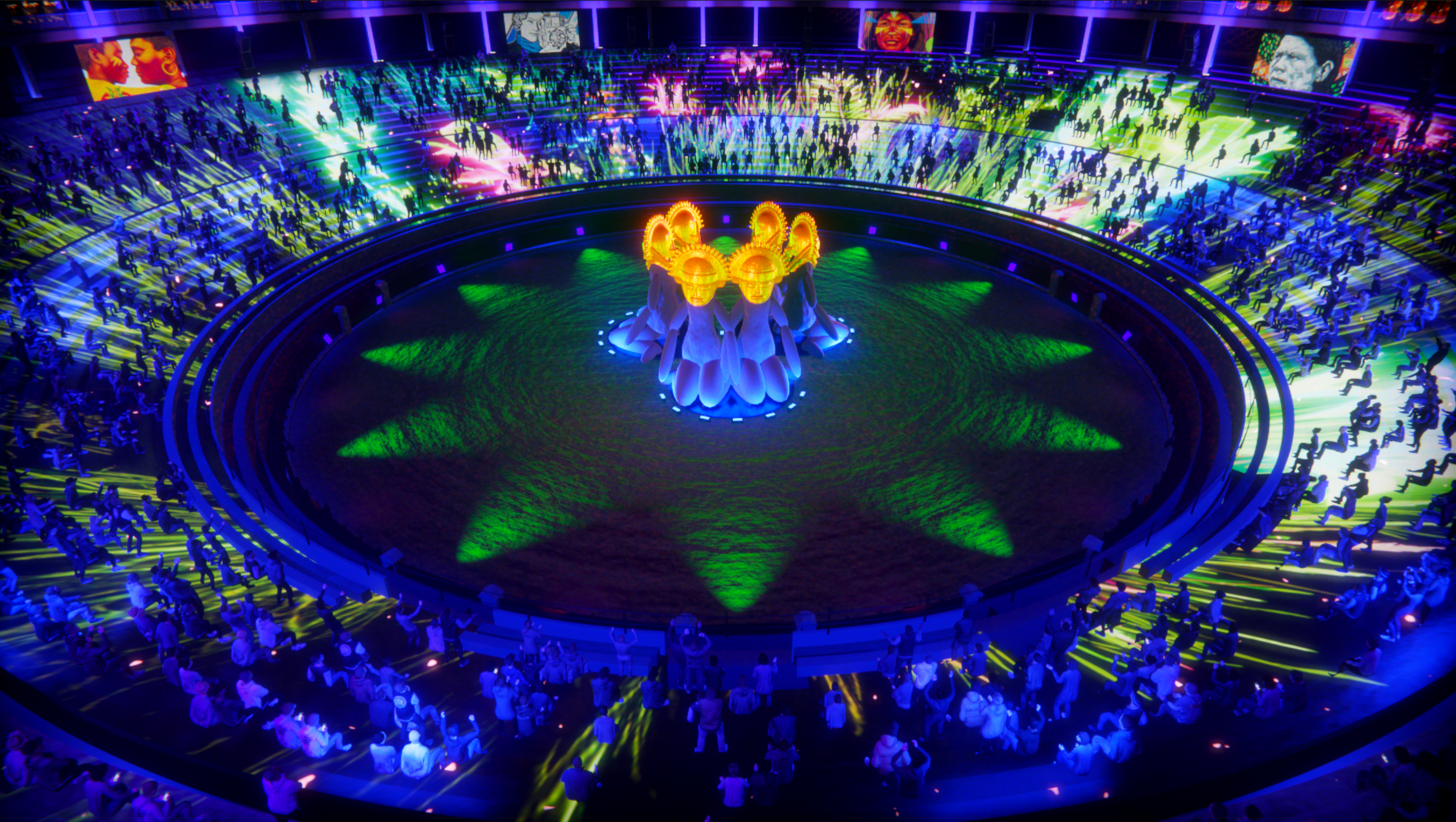
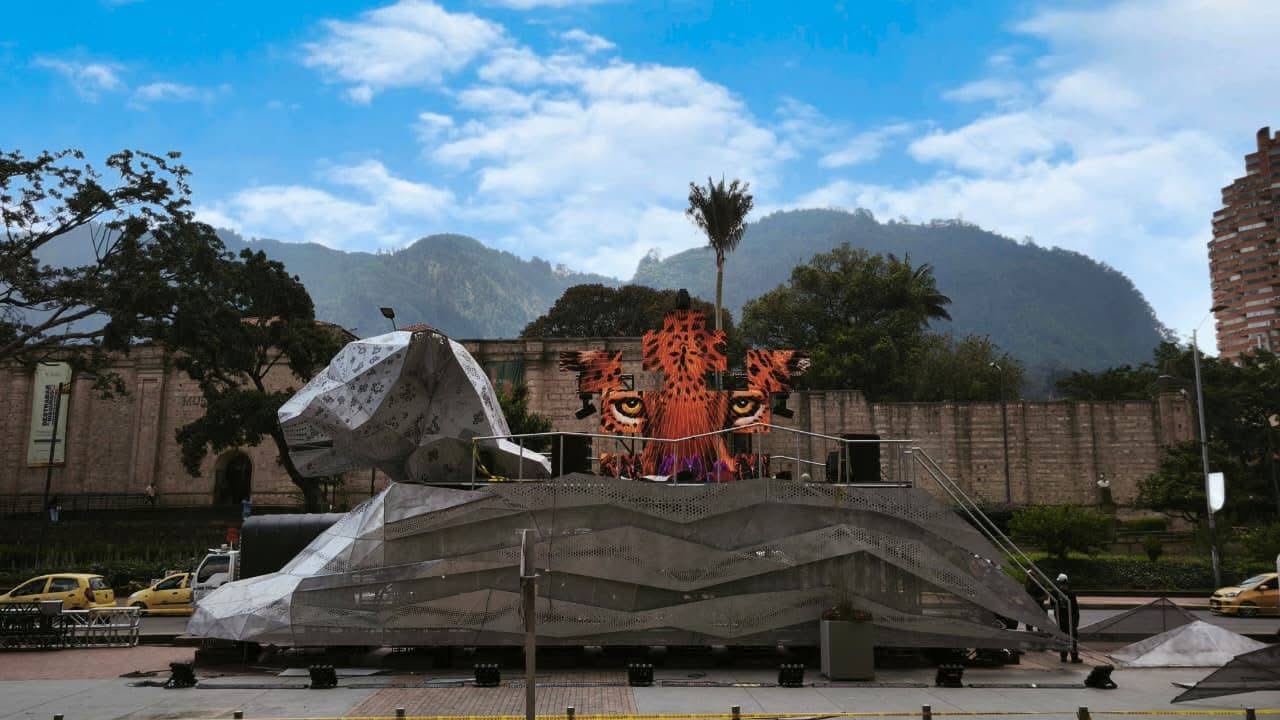
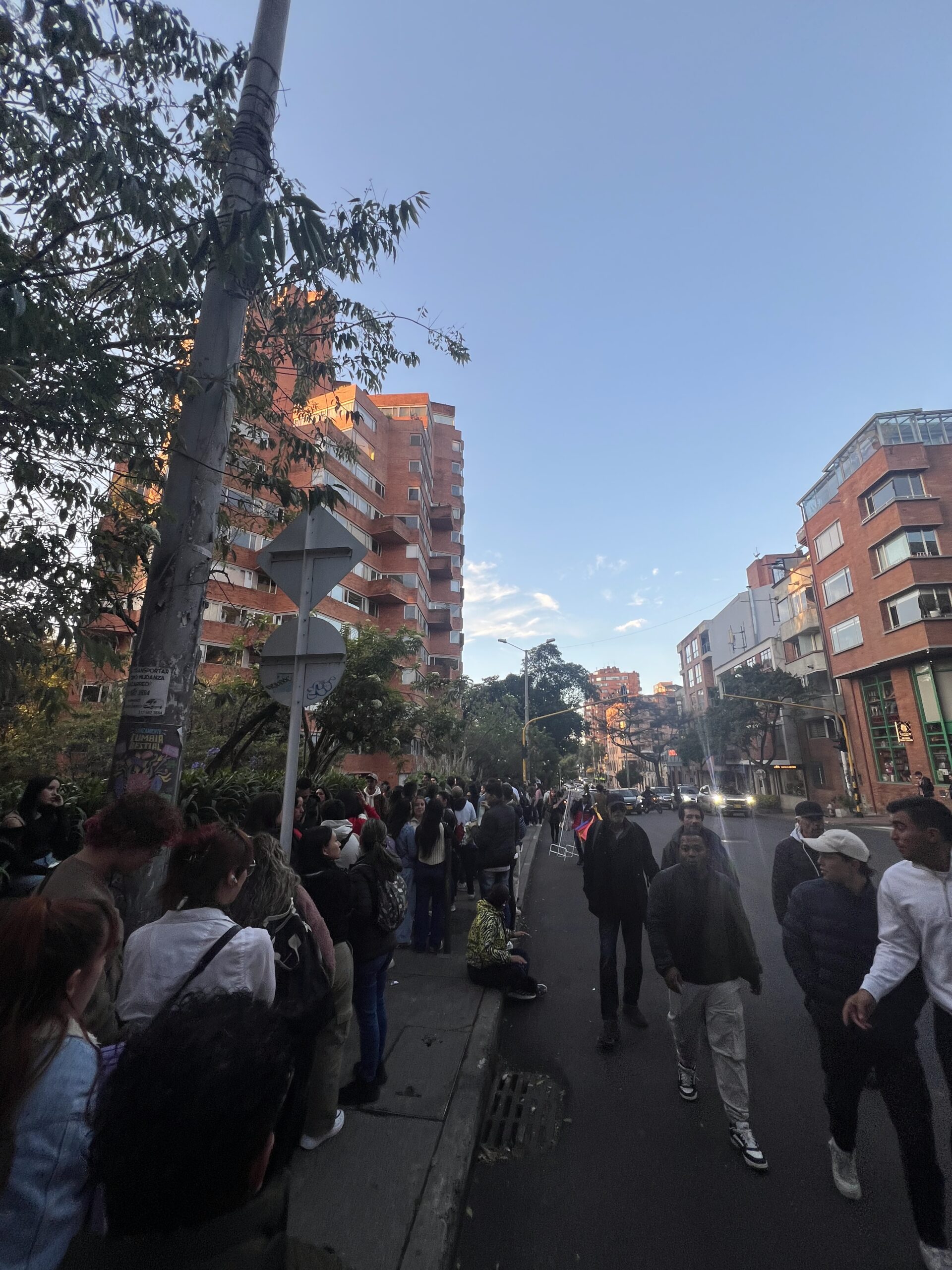
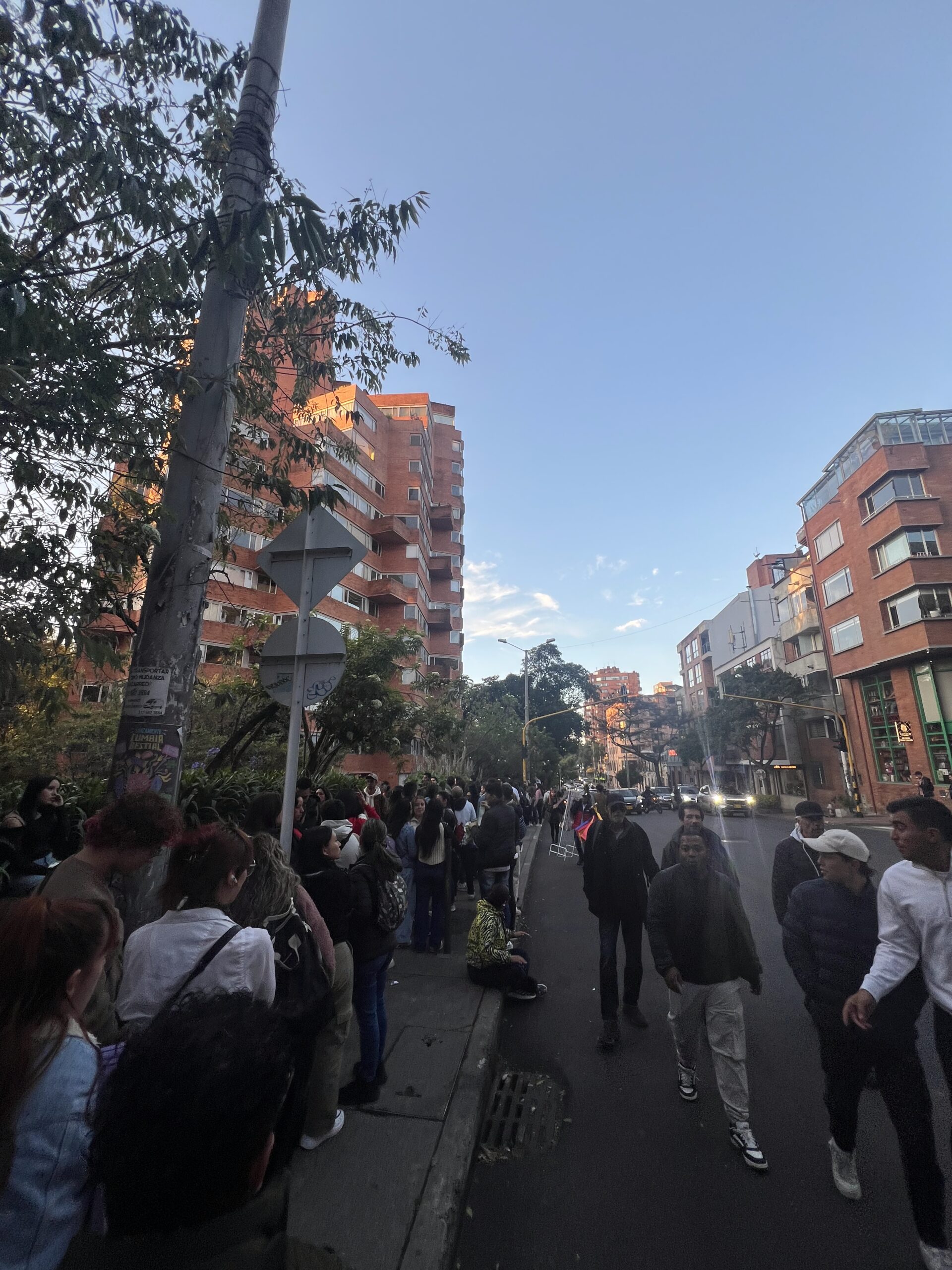
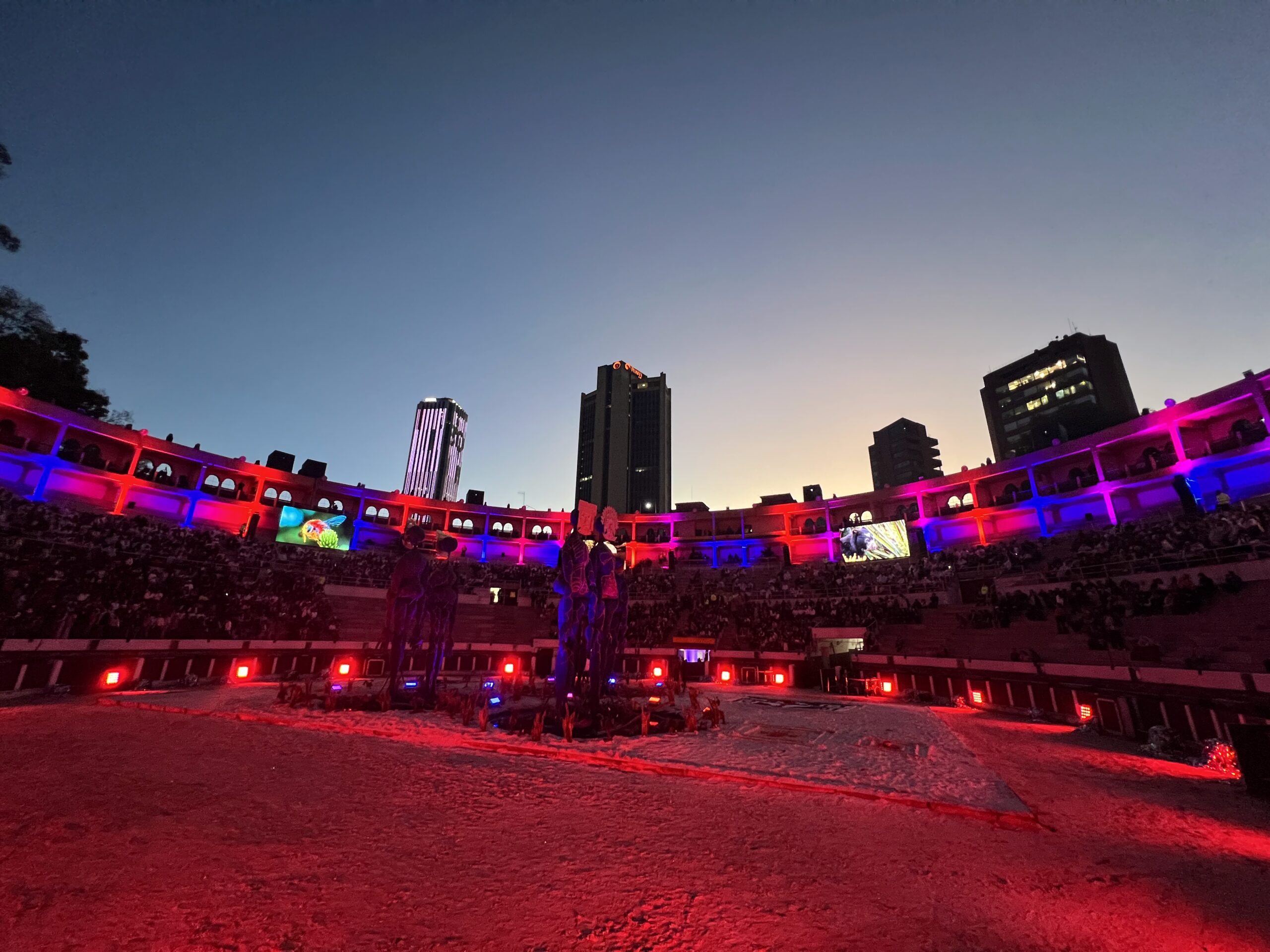
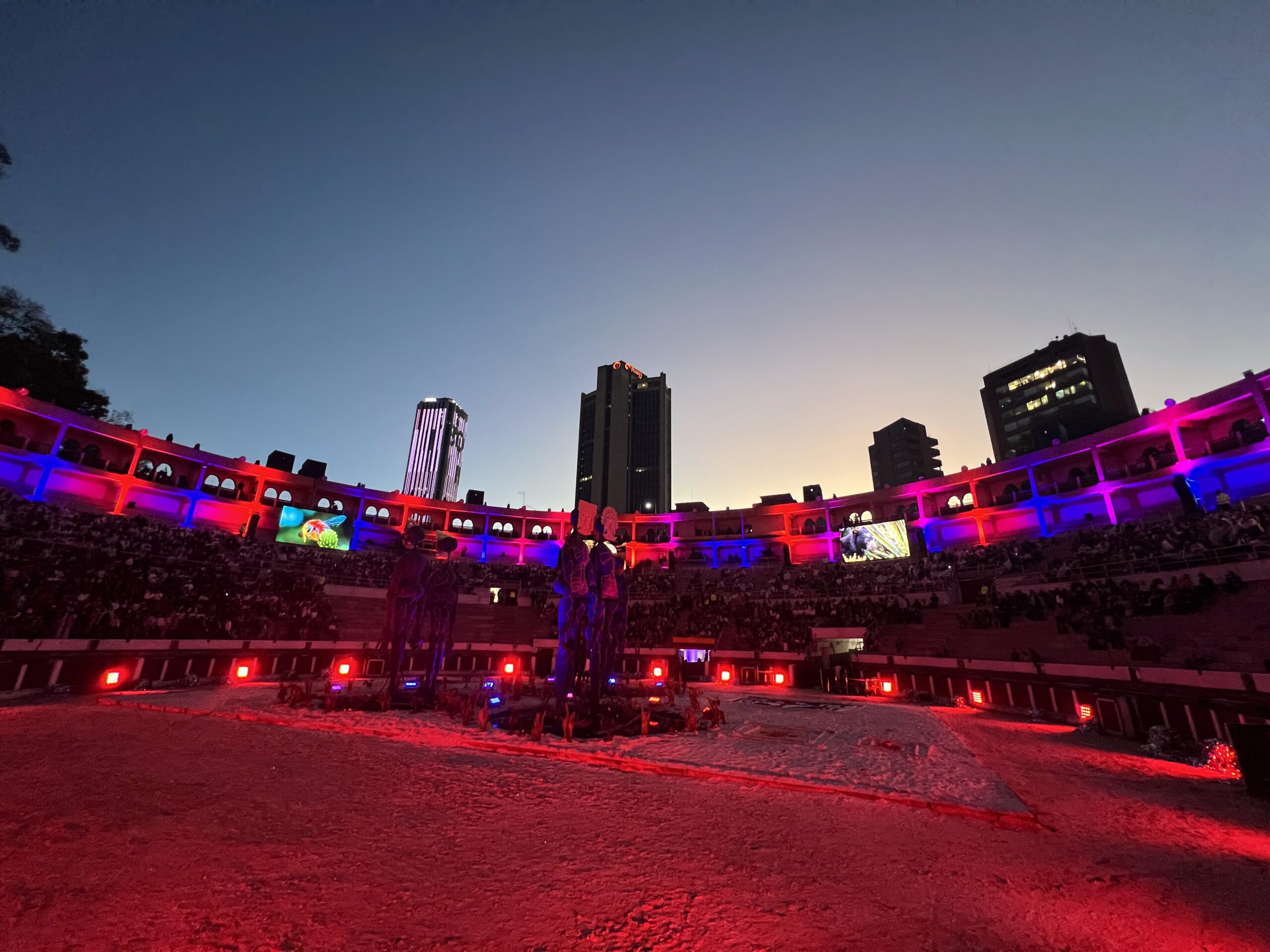
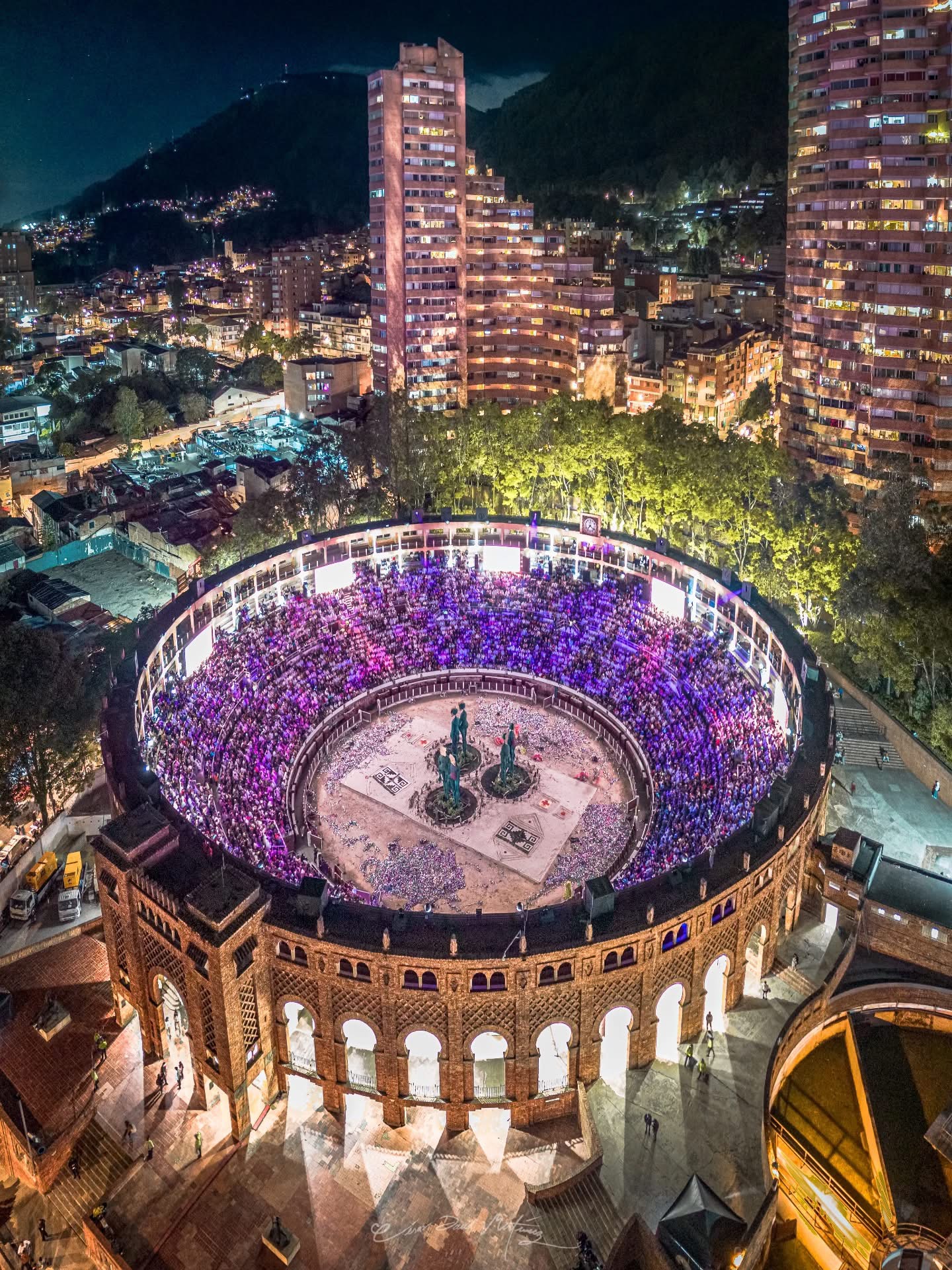
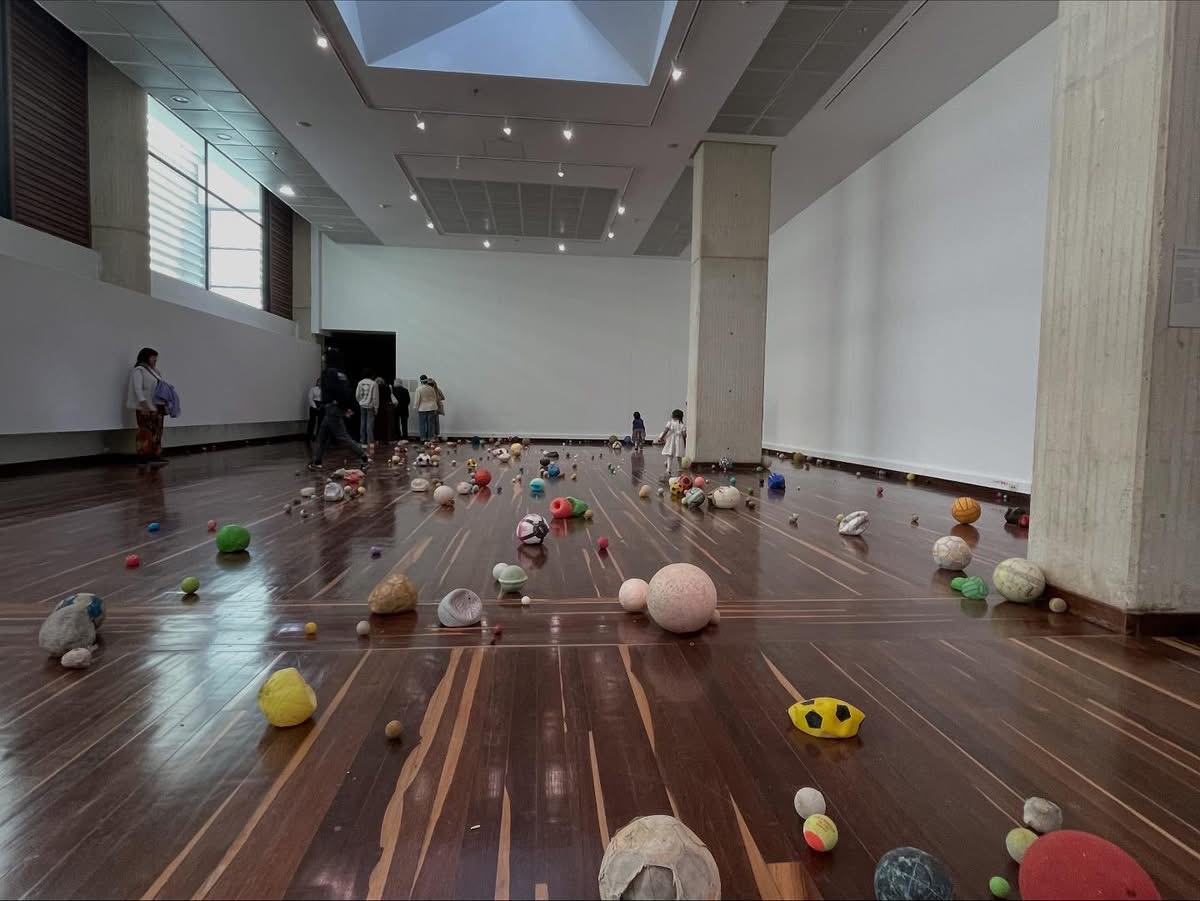
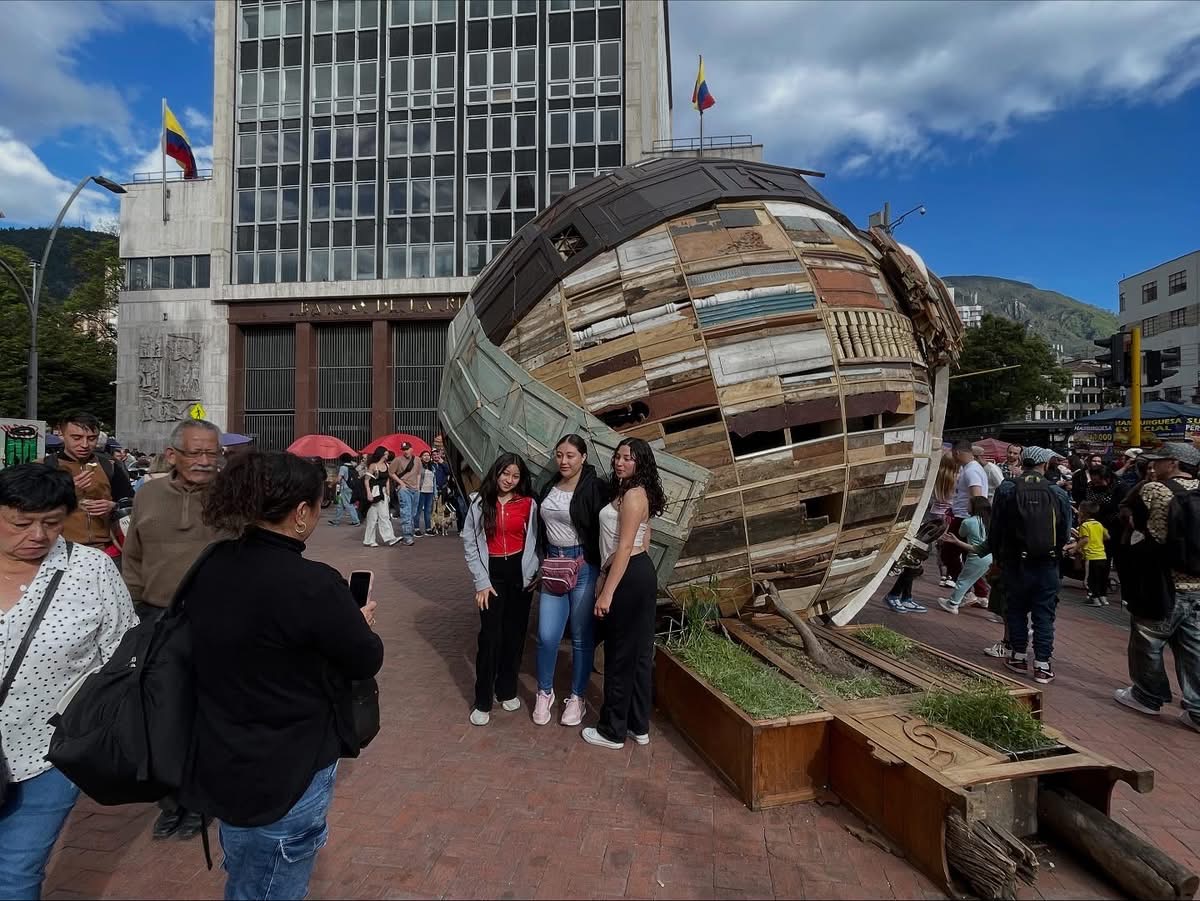
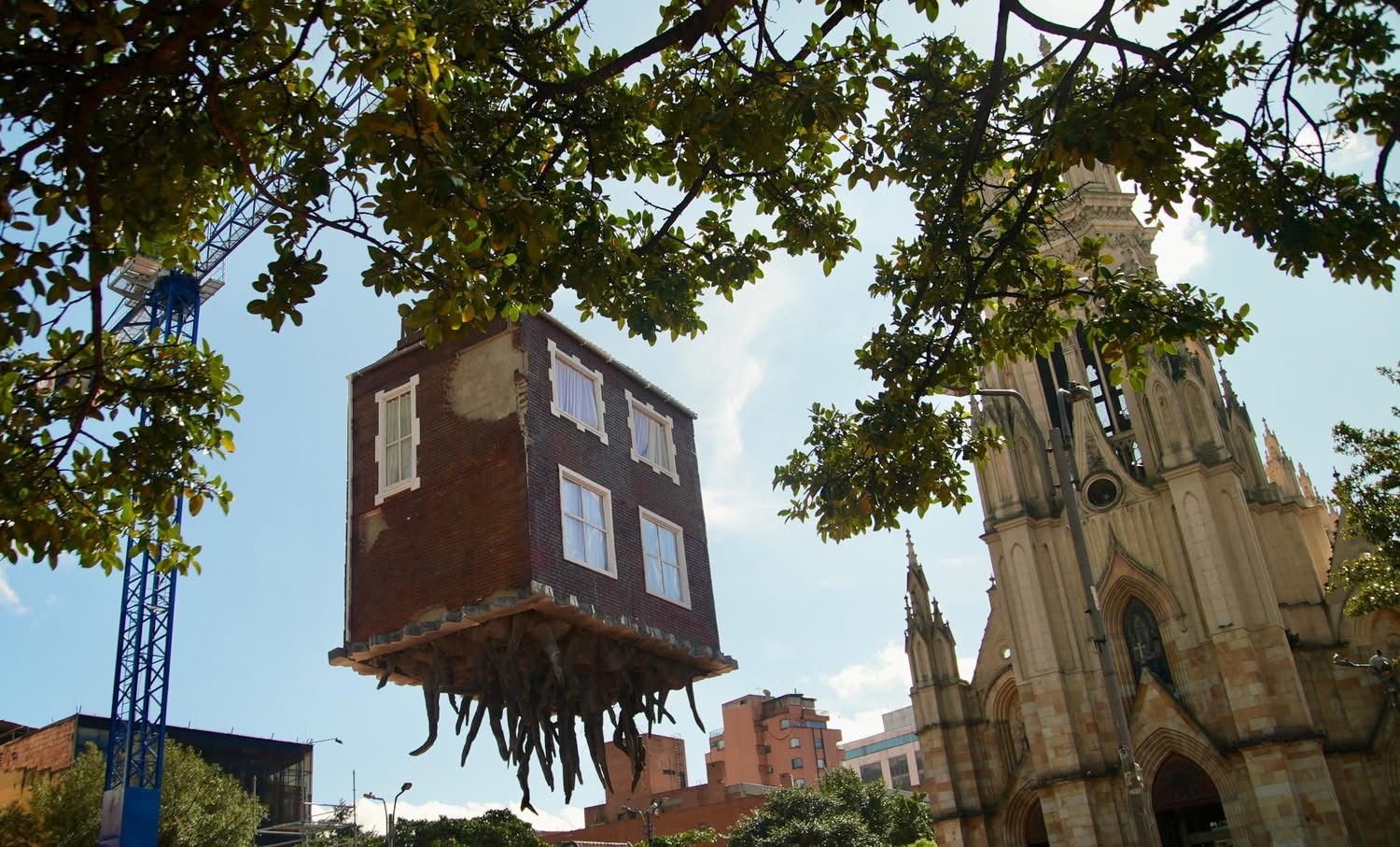
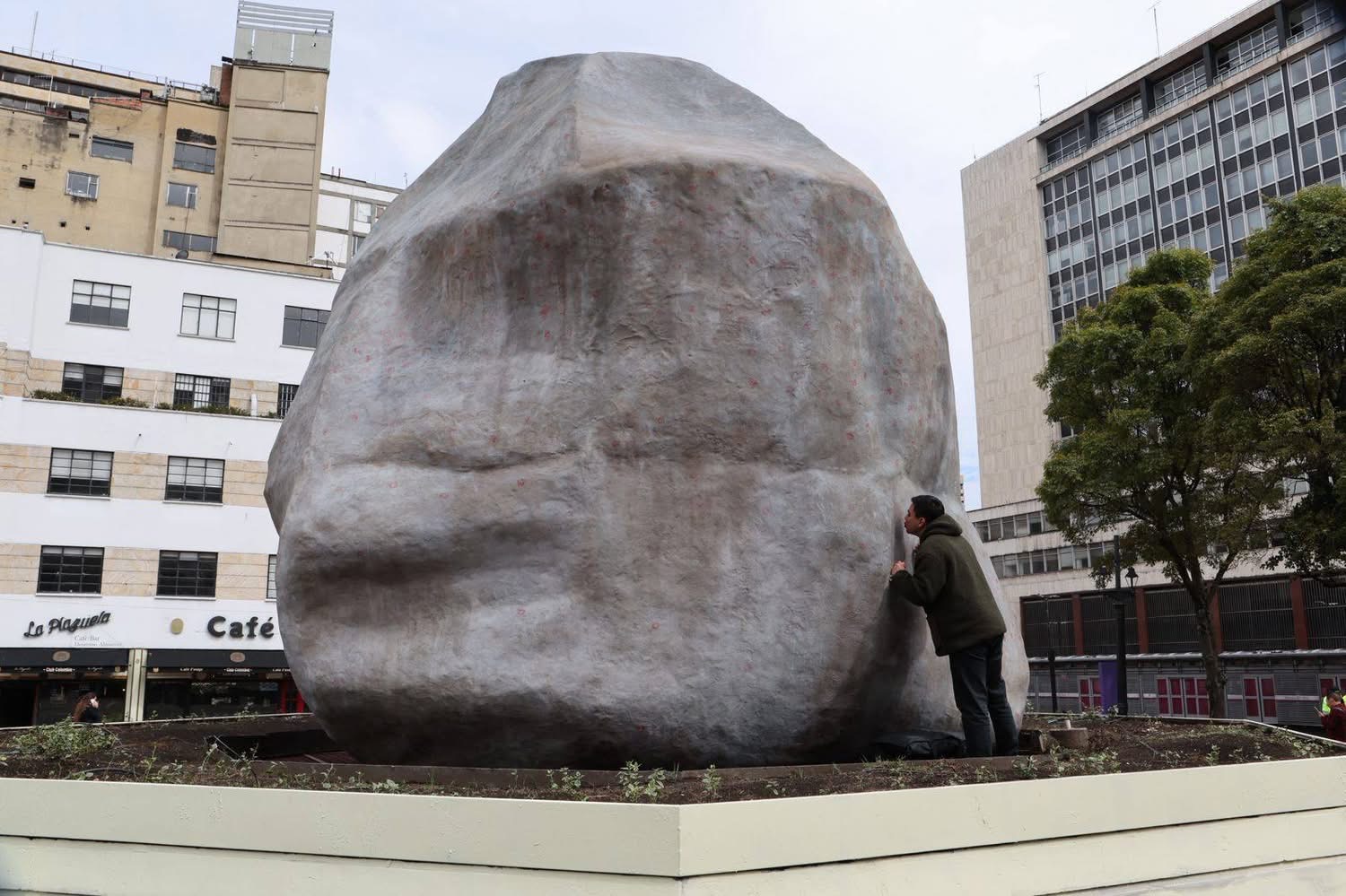
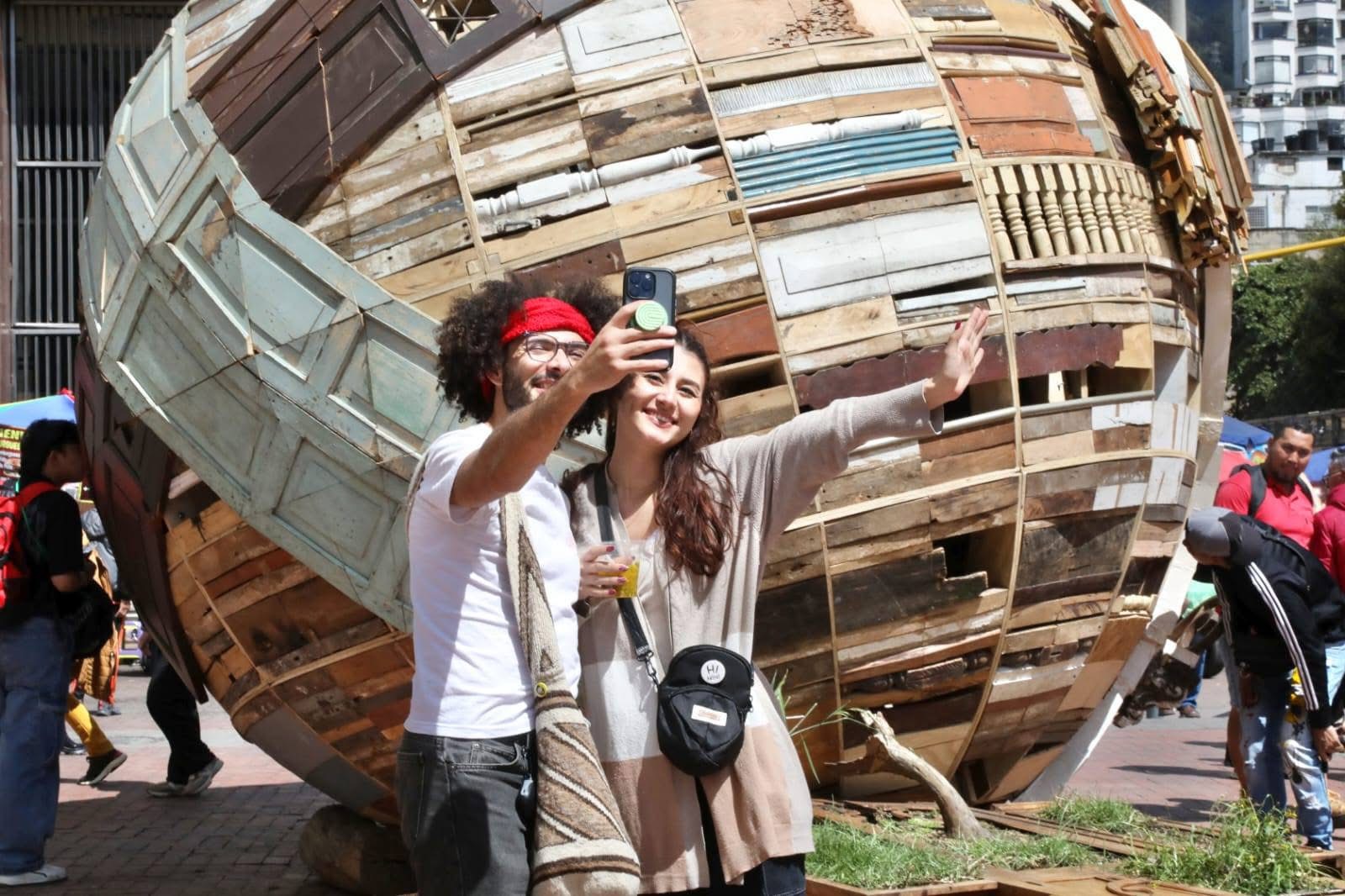
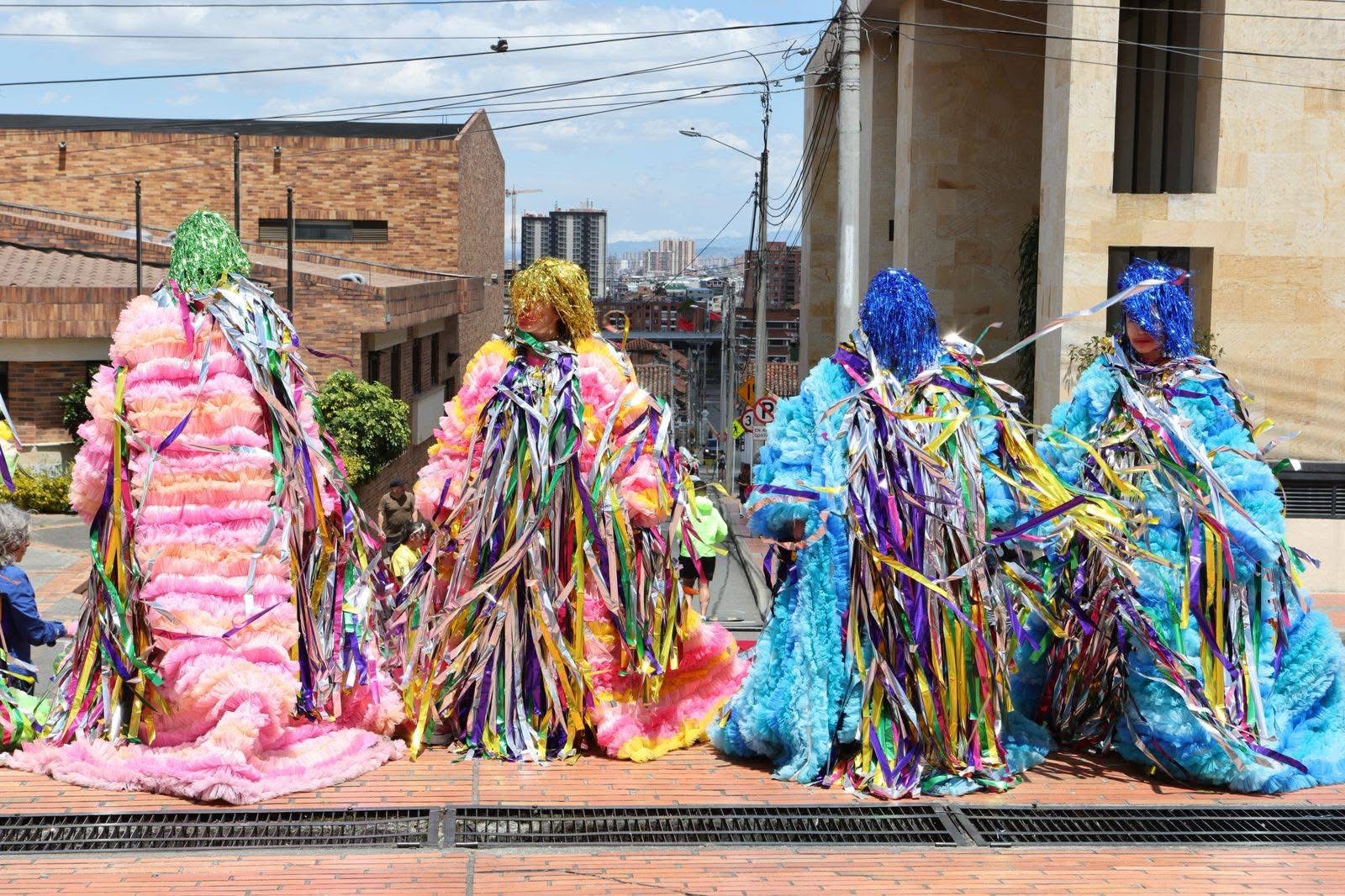
BOG25 was born with grandiloquence. “We have never had a Biennial of this magnitude in Colombia,” said Galán. The curatorial motto, “Essays on Happiness,” sought to provide a therapeutic atmosphere: to heal wounds, improve coexistence, and ease tensions. The opening at the Plaza de Toros La Santamaría was monumental, with a symbolic display of a “common home” that ended up overwhelmed by the crowd. The most eloquent image was not that of the installations or the concerts, but that of thousands of frustrated attendees at the door. A perfect metaphor: the State promises community, but doesn’t have space for everyone.
The problem isn’t that people want to see art—this overflow demonstrates a genuine desire—but that the institution reduces that desire to a quantitative success story. The Secretariat celebrated the attendance of 125,000 people as proof of success. But what happens next? Local artists continue to survive in precarious conditions, trapped in temporary exhibitions that don’t change their reality. The city is thrilled by the show, but the cultural system remains precarious.
Thus, curatorial happiness turns into toxic optimism: a narrative that avoids naming inequalities, violence, and the lack of structural infrastructure. Art, which should cause discomfort, becomes a collective calming agent.
The king's court with his jester

The circus
Medellín: Freedom as a Flag
BIAM 2025 chose an even more ambiguous motto: “Freedom.” A polysemic concept that appeals to an international audience (creative freedom, aesthetic freedom) but, at a local level, refers to Antioquia’s historical aspiration for regional autonomy.
The official discourse speaks of decentralization—a biennial covering the department’s nine subregions—but what lies beneath is a clear political gesture: the reaffirmation of Antioquia as a territory with symbolic sovereignty over Bogotá. This is a project that draws on the memory of the Coltejer Biennials (1968-1972), financed by private companies to position Medellín as a modern and cosmopolitan city.
The result is a biennial that plays on two frequencies: for the world, a global event that legitimizes artists and attracts investment; for the local public, a performative act of autonomy and resistance to centralism. Freedom as a brand, not an awkward question.
All my best wishes to the people of Bogotá from a Bogotá artist.

Artbo without MaryPeace

The Public as Resistance
It’s not enough to be outraged. The public is not innocent. Each spectator can choose: applaud the propaganda or turn their silence into an act of dignity. Ask who’s funding it, demand transparency, refuse to celebrate forced smiles.
Strength lies not in politicians who play with flags, but in the eyes that look and the hands that applaud or refuse to applaud. Defending art from politicking is not an elitist gesture: it’s a citizen’s right.
Go, get up, dance, pick up what you leave behind. The performing arts are an artist’s way of life. 60 performances here and there feels disrespectful.
With the precarious nature of payment for events like Crea, where artists don’t have the materials to bring art to the territory, this is truly disrespectful, while Santiago Trujillo pays for million-dollar dinners to sell the common house in the name of happiness. Damned.
Our cry: art is not for rent
The biennial doesn’t belong to mayors, governors, or incumbent candidates. It belongs to all of us who believe that art isn’t slogans or stagecraft, but rather a living question and uncomfortable critique.
If they use biennials to garner votes, we can use them to raise awareness. Art isn’t for rent to the highest bidder. And as long as they try to hijack it, there will always be artists and audiences willing to disobey.