

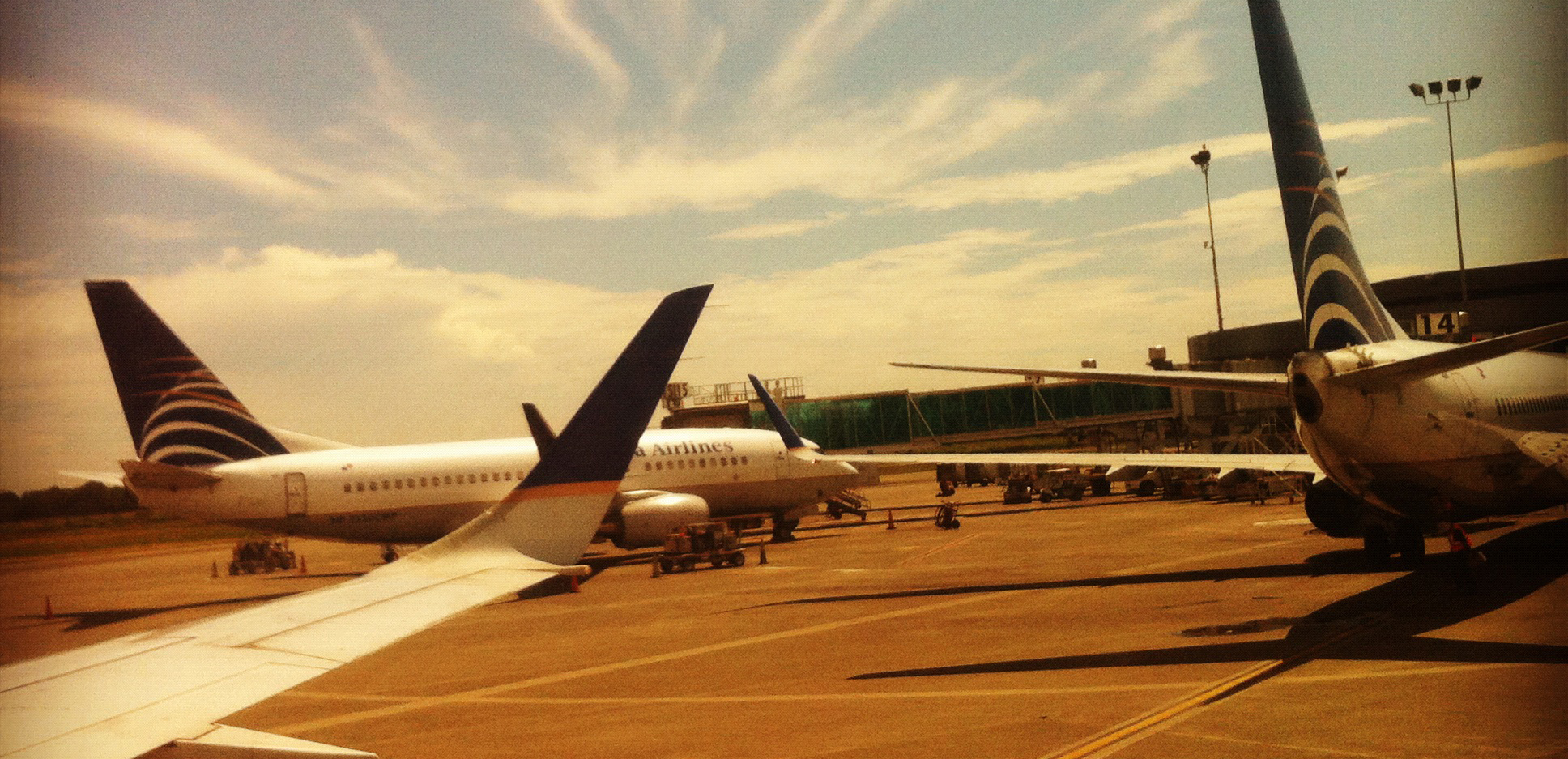
Looking out the window
Imágenes de la tierra.
The photographs of the passenger window has been the inspiration for aerial landscapes. The daydream of the flight, clouds of cotton that as beds held dreams as a child.

Felipe Sanclemente
Transit: The Art of Inhabiting the Passage
Transit is not a still word. It is movement, echo, heritage, and presentiment. From the name of a great-grandmother to the murmur of the cosmos, from vehicle traffic to the invisible flow of data, everything about it signals a threshold: the human experience of passing, of crossing, of inhabiting the in-between.
In its Latin root—transitus, “the act of going through”—beats a primal gesture: the impulse to cross a boundary. It is not just about walking or moving, but about crossing what separates here from there. That instant, that edge of transit, is the place where the human being recognizes themselves as perpetual travelers. There where the solid becomes becoming, where the stable reveals itself as passage.
Name and the Sacred: The Transition of Mary
To name someone “Transit” is to give them a symbol. The name, rooted in Marian devotion, alludes not to death, but to Mary’s glorious passage toward plenitude. Dormition, Transit, and Assumption are not three isolated words, but three movements of the same mystery: repose, crossing, ascension.
The Transit of Mary does not celebrate an end, but rather transfiguration: the continuity of life in another form. This name, passed down from generation to generation, becomes an affirmation of hope, a faith that every passage is more than loss: it is transformation, elevation, promise.
Language in motion: transit and traffic
Language also transits. It changes course, adopts new paths. The shift from “transit” to “traffic” in everyday speech is not just a matter of synonyms, but the mark of globalization and time. A word that carried within it the idea of shared passage has been displaced by another loaded with negative resonances, linked to illicit trade and impersonal circulation.
However, both coexist as mirrors: “transit” retains its etymological dignity, “traffic” reflects contemporary pragmatism. The tension between the two reminds us that language is also a journey, that words cross borders and mutate, like bodies on the road.
The Regulated Sky: Air Traffic
For a pilot, traffic is not a metaphor, but breathing. Air traffic organizes the void, transforming it into an invisible fabric of routes, altitudes, and airways. In this seemingly limitless space, the discipline of traffic imposes order and choreography, ensuring that each aircraft crosses the sky without falling into chaos.
Every takeoff, every handover between controllers, every assigned altitude is a reminder that flying is not about leaping into the void, but about transiting a previously defined space. Air, like life, is only inhabited in transit when there is an order that protects, a channel that sustains.
The Invisible Flow: Data in Transit
In the digital age, traffic becomes intangible. Data packets travel like small boats through a sea of cables and waves. Each one carries its origin and destination, its cargo and its security keys. They are invisible, yet essential transits: communication, exchange, and collective memory are sustained by them.
Just as a pilot relies on air routes, data relies on protocols and encryption. Digital transit, fragile and vulnerable, needs protection. It’s another way of remembering that every passage involves risk: every crossing from one point to another requires trust in the structure that supports it.
Cosmic Transit: Planets That Cross
The sky offers its own transit lesson. When a planet passes in front of its star, its tiny shadow reveals entire worlds to us. These crossings, rare and precise, show us that the universe also writes its history in terms of passages.
A planetary transit is not only an astronomical phenomenon, but a cosmic metaphor: smallness made visible, life glimpsed in the flickering of a distant light. The entire universe is transit, a dance of intersecting bodies, a perpetual movement that reveals the invisible.
Human Transition: Vital and Social Passages
Life itself is structured in transits. Childhood, adulthood, old age; work, retirement; love, mourning. Each stage is a crossroads between what we leave behind and what has yet to arrive. To inhabit transit is to accept the vulnerability of change, but also its power: passage is always an opening to the new.
Socially, urban transit, vehicular or pedestrian, is not just circulation: it is a cultural mirror. Cities are choreographies of bodies in transit, a reflection of ideologies, tensions, and modes of coexistence. Transition is also to participate in a network of collective meanings.
A Common Thread
Transit, in all its forms—etymological, sacred, linguistic, technical, digital, cosmic, vital—is always a threshold. It reminds us that nothing is fixed, that everything is a crossing, a passage, a becoming.
To inhabit the transit is to recognize that life is not defined by its starting points or its destinations, but by the very experience of the passage. Like airplanes that traverse invisible paths, like data crossing the network, like planets passing through stars, like bodies experiencing their phases: we are beings in transit.
To exist is to pass, to transform, to cross. To exist is, always, to transit.